
Description
Zookies Strain
Premium Cookies Genetics. Distinctive Flavor. Exceptional Resin Expression.
Zookies Strain is a modern hybrid known for bringing together the dessert-forward character of Animal Cookies with the distinctive fuel and resin-driven qualities associated with Original Glue (GG4).
The result is a cultivar with a reputation for combining rich cookie sweetness, nutty and peppery undertones, diesel-like depth, and substantial resin expression. Leafly currently documents Zookies as an Animal Cookies × Original Glue hybrid and lists caryophyllene, limonene, and linalool among its principal terpenes. Its reported top effects include focused, relaxed, and giggly, while nutty, pepper, and buttery notes lead the listed flavor profile.
For growers, Zookies is particularly interesting because its genetic background brings together two recognizable modern cannabis families: the Cookies lineage represented by Animal Cookies and the Glue lineage represented by GG4.
That combination gives Zookies a distinctive identity.
It is not simply a sweet dessert cultivar and it is not simply another gas-forward hybrid. Its appeal lies in the interaction between those characteristics—cookie-like richness, peppery complexity, fuel, resin, and a balanced overall expression.
For cultivators evaluating premium genetics, Zookies offers an opportunity to work with a cultivar whose identity is strongly connected to two influential lines of modern cannabis breeding.
What Is Zookies Strain?
Zookies is a hybrid cannabis cultivar created by crossing Animal Cookies with Original Glue, commonly known as GG4. Leafly currently lists it as a hybrid with approximately 21% THC in its general strain profile, although individual flower batches can vary substantially and a general database value should never be treated as a guaranteed potency specification for every Zookies product.
The genetic combination is what makes Zookies particularly interesting.
Animal Cookies contributes the rich, sweet, nutty and earthy side of the profile. Original Glue contributes a contrasting fuel-forward character and strong resin-focused reputation.
Animal Cookies itself is documented as a GSC × Fire OG hybrid, giving Zookies a deeper Cookies and OG-related genetic foundation.
This creates a three-layer genetic story:
GSC × Fire OG → Animal Cookies
followed by:
Animal Cookies × Original Glue → Zookies
That ancestry helps explain why Zookies can present such a complex combination of sweet cookie, earth, spice, pepper, fuel, and resin characteristics.
For growers, however, lineage is only the beginning.
The actual phenotype, mother-stock selection, growing environment, and post-harvest handling ultimately determine how those genetic possibilities express themselves.
Zookies Genetics & Lineage
Animal Cookies × Original Glue
The documented Zookies lineage is:
Animal Cookies × Original Glue (GG4).
This is an especially interesting pairing because both parents have strong identities of their own.
Animal Cookies
Animal Cookies contributes a Cookies-derived genetic foundation with GSC and Fire OG ancestry.
Original Glue / GG4
The Original Glue side brings a different character to the cross.
Rather than relying exclusively on sweet or dessert-like expression, the Glue influence helps introduce the gassy, pungent, resin-oriented character for which GG4 became widely recognized.
The combination gives Zookies a genetic foundation capable of producing a more complex sensory profile than either parent alone.
Why the Zookies Lineage Matters
Premium genetics are valuable not simply because of their names but because of the traits they can bring together.
With Zookies, growers are working with a genetic combination that incorporates:
- Cookies-derived traits
- OG-related ancestry
- Glue genetics
- Resin-focused characteristics
- Sweet dessert notes
- Nutty and earthy undertones
- Peppery terpene expression
- Fuel and diesel character
The significance is not that every Zookies plant will express every one of these characteristics equally.
Instead, the value lies in the genetic potential created by the cross.
Phenotype selection then determines which expression becomes most desirable.
A particular plant may lean more toward sweet cookie character.
Another may emphasize fuel.
Another may show stronger pepper or earthy notes.
A premium cultivation program should therefore evaluate the actual plant rather than assuming the cultivar name guarantees one fixed expression.
Understanding Zookies Phenotype Variation
Phenotype variation is an important consideration when working with cannabis genetics.
A cultivar name identifies a genetic line, but the actual plant may express a combination of traits differently depending on its genetics, environment, and cultivation conditions.
With Zookies, growers may evaluate differences in:
- Plant vigor
- Branching structure
- Stretch
- Internodal spacing
- Flower density
- Resin coverage
- Aroma intensity
- Terpene expression
- Flower coloration
- Harvest timing
- Overall plant structure
This is especially relevant for growers interested in selecting exceptional mother plants.
The most valuable phenotype is not necessarily the largest plant.
It may be the plant with the most desirable combination of structure, resin, aroma, flower quality, vigor, and cultivation performance.
That distinction separates simple propagation from genuine genetic selection.
Why Zookies Strain Continues to Attract Grower Interest
The modern cannabis market has become increasingly competitive.
Cultivators are no longer evaluating genetics exclusively by yield or THC percentage.
Premium flower is increasingly differentiated through:
Genetics.
Aroma.
Flavor.
Appearance.
Resin production.
Consistency.
Zookies sits naturally within this modern genetics landscape.
Its Cookies × Glue background gives it a recognizable story, while the resulting sensory profile provides several layers for cultivators and consumers to appreciate.
The cultivar also benefits from the broader popularity of Cookies-derived genetics.
Leafly describes the Cookies family as one of the most influential branches of modern cannabis breeding, with Cookies-related genetics appearing throughout numerous contemporary cultivars.
Zookies represents one example of how breeders can take an established genetic foundation and combine it with another influential line to create something with its own identity.
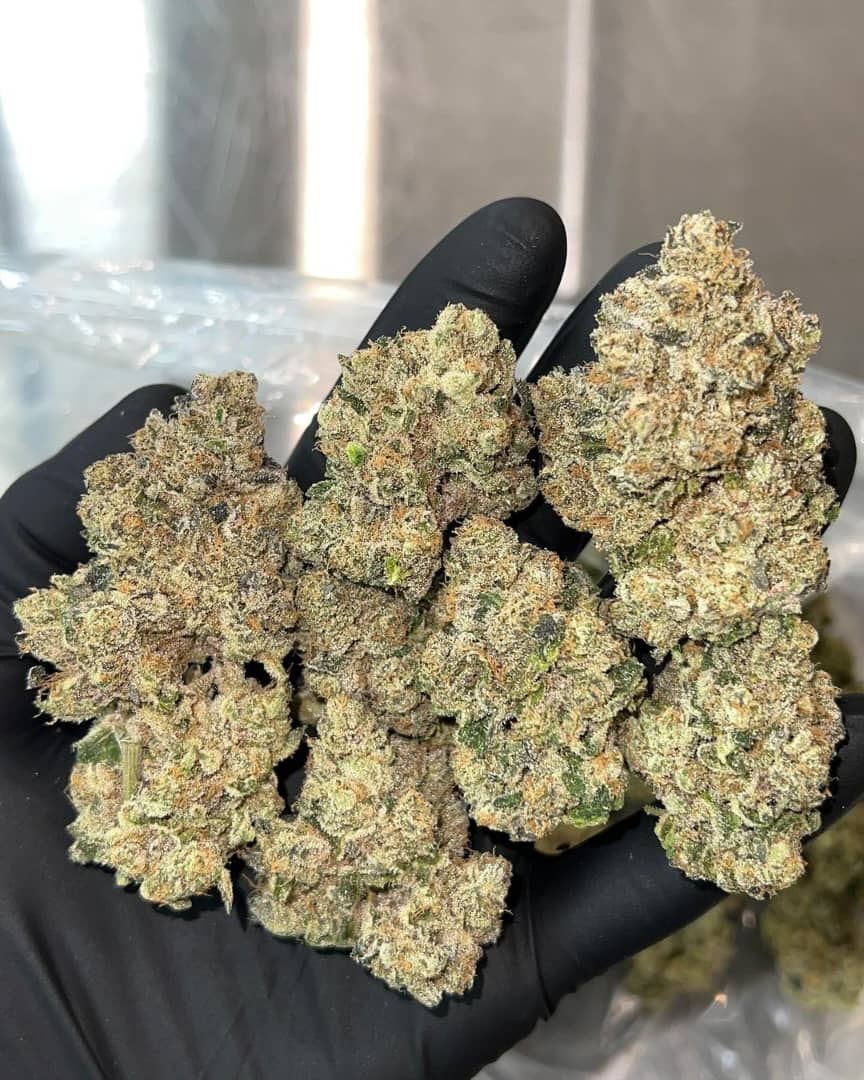
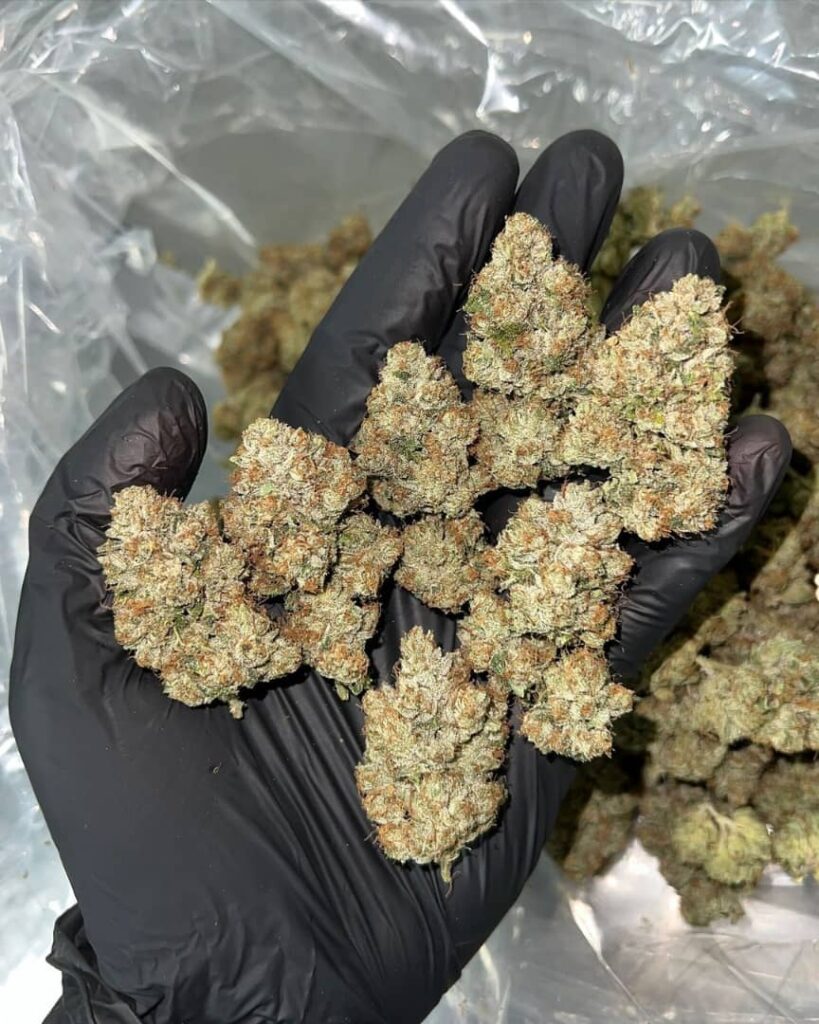
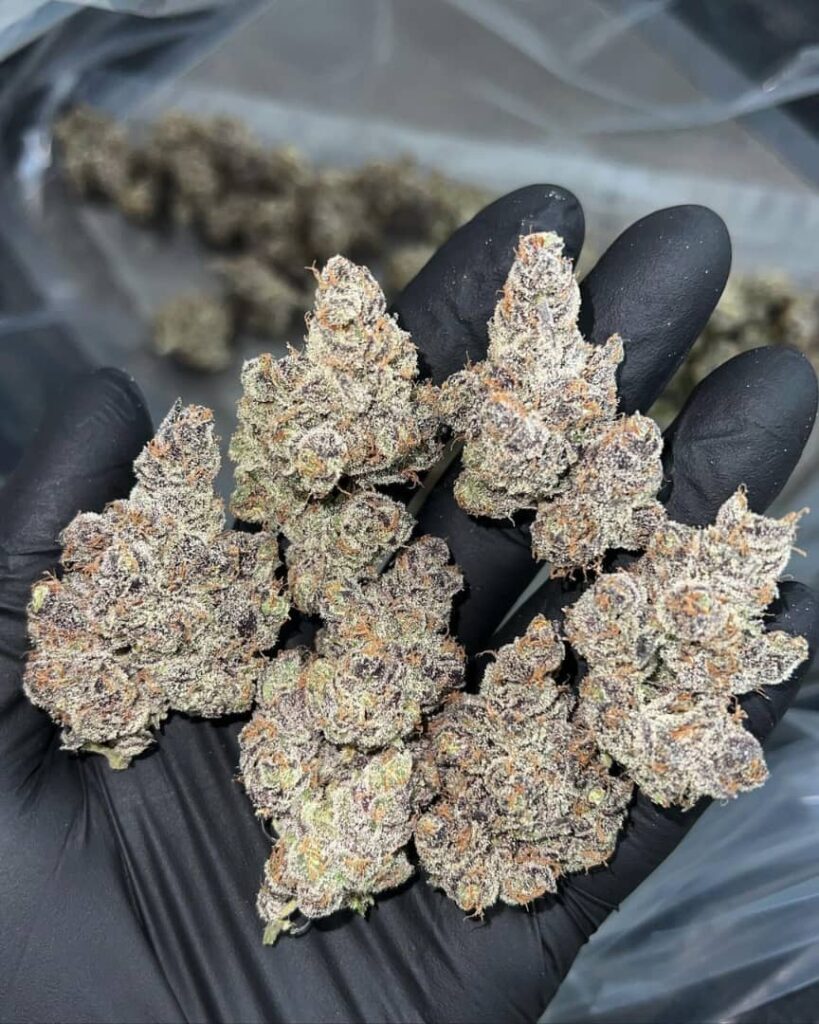
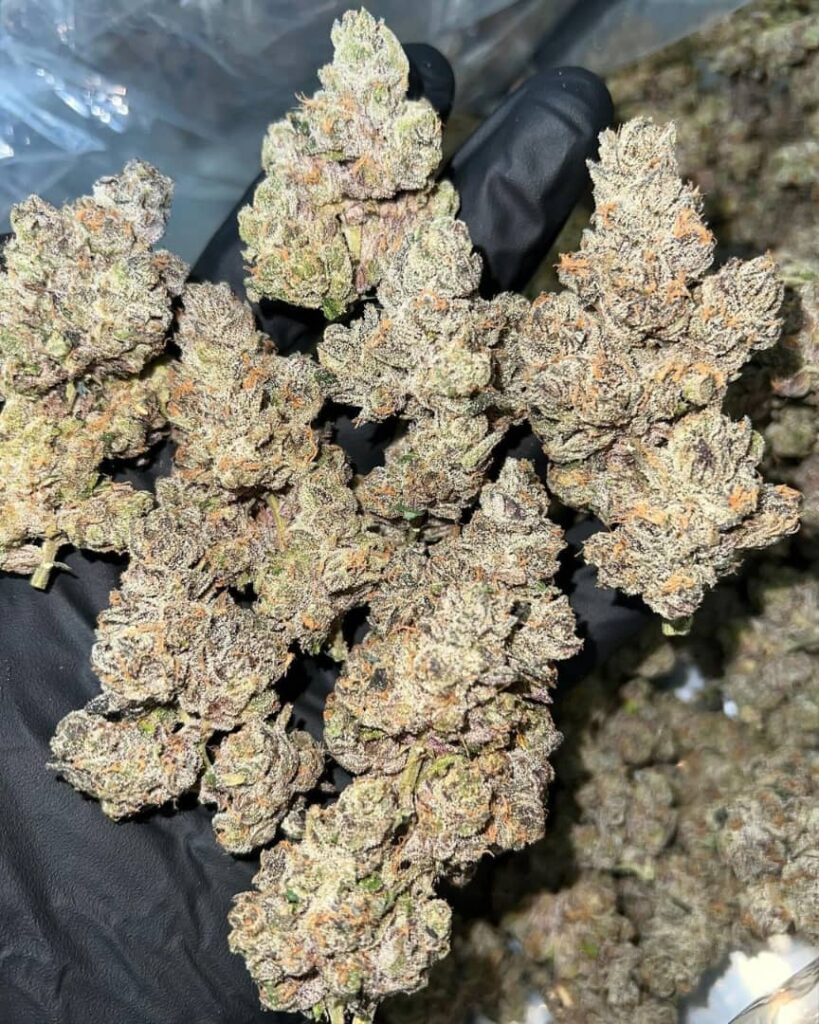
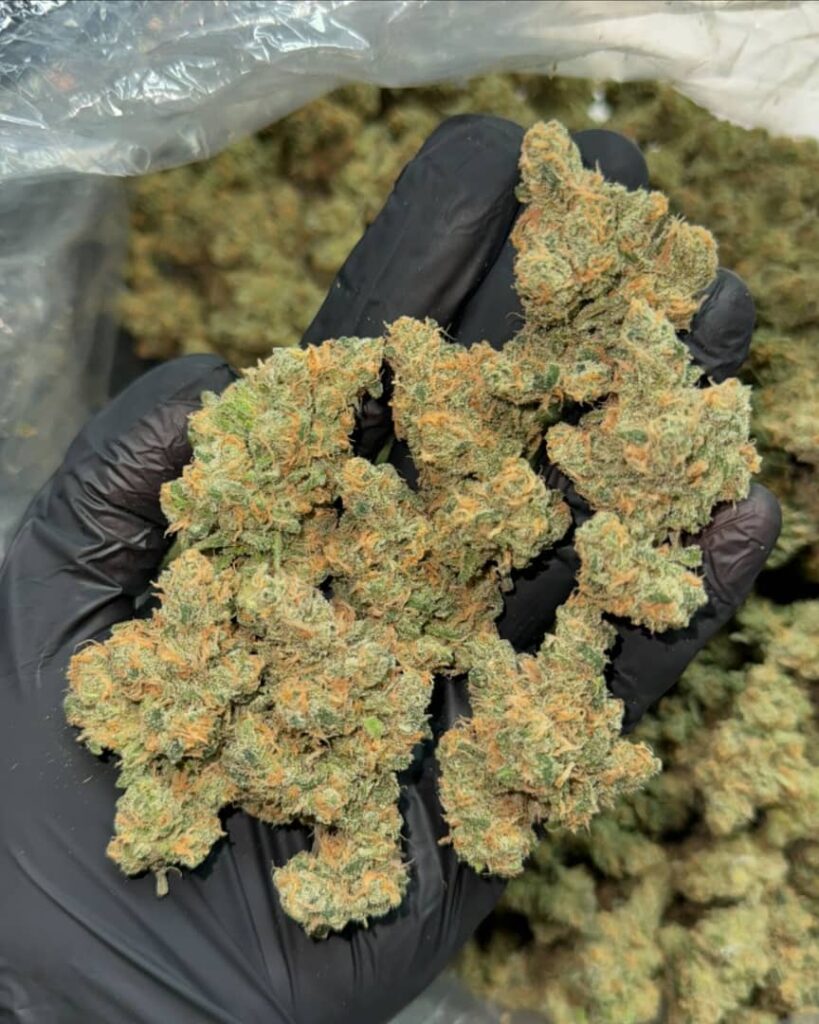
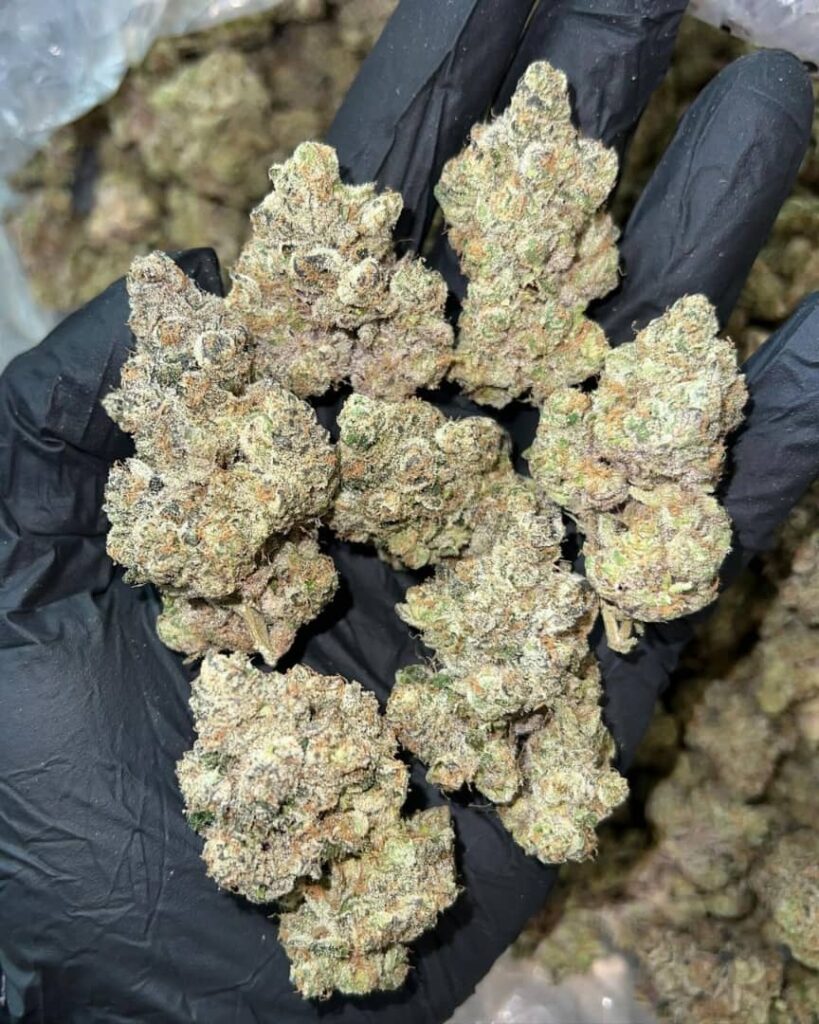
Zookies Strain Appearance
Zookies is associated with the dense, resin-rich visual characteristics commonly sought in modern premium hybrids.
The combination of Animal Cookies and Original Glue creates the potential for heavily frosted flowers with pronounced trichome development.
Visual evaluation should focus on:
- Trichome coverage
- Flower density
- Calyx development
- Pistil coloration
- Resin distribution
- Overall flower structure
- Healthy maturation
The strongest visual expression is not necessarily the flower with the largest buds.
High-quality flower is a combination of structure, maturity, resin development, aroma, and proper post-harvest handling.
Environmental conditions also influence appearance.
Lighting, temperature, humidity, nutrition, plant stress, harvest timing, drying, and curing can all affect how the final flowers look.
For that reason, visual appearance should complement—not replace—genetic provenance and cultivation records.
Zookies Aroma Profile
Zookies has a particularly interesting aromatic identity because its two parents contribute contrasting characteristics.
The result is commonly described around a foundation of:
Sweet cookie
Nutty
Pepper
Earth
Diesel
Gas
Leafly currently lists nutty, pepper, and buttery as the leading Zookies flavor characteristics and identifies caryophyllene, limonene, and linalool among its listed terpenes.
This creates a profile that can move between sweet and savory.
The first impression may be confectionary and cookie-like.
As the aroma develops, pepper and earth can become more apparent.
The Glue influence adds another layer of fuel and pungency.
This complexity is one of Zookies’ strongest characteristics.
Zookies Flavor
The flavor profile follows the broader aroma identity.
Reported characteristics include:
- Sweet cookie
- Butter
- Nut
- Pepper
- Earth
- Diesel
- Gas
The combination is considerably more complex than a straightforward sweet cultivar.
The Cookies side provides the dessert foundation.
The Animal Cookies parent adds nutty and earthy depth.
The Glue side contributes the heavier fuel-oriented character.
Together, these traits create a profile that can be described as sweet, savory, spicy, earthy, and gassy at the same time.
That complexity is part of what makes Zookies particularly interesting for cultivators who prioritize terpene-driven flower.
Zookies Terpene Profile
Leafly currently lists the principal Zookies terpenes as:
- Caryophyllene
- Limonene
- Linalool
These compounds help explain the cultivar’s reported combination of pepper, citrus, floral, sweet, and earthy characteristics.
Caryophyllene
Caryophyllene is strongly associated with peppery and spicy aromatic characteristics.
Its presence fits naturally with the pepper-forward notes frequently reported for Zookies.
Limonene
Limonene contributes citrus-like aromatic qualities and can provide brightness within a more complex profile.
Linalool
Linalool is associated with floral and sweet aromatic characteristics and can add another layer to the cultivar’s overall profile.
It is important to understand that these are cultivar-level or database observations, not guaranteed laboratory concentrations.
A particular Zookies flower product may show a different terpene distribution.
Genetics establish potential, but environment and post-harvest handling influence expression.
Why Terpene Expression Matters
Two plants from the same genetic family can smell noticeably different.
This is why serious cultivators pay attention to:
- Mother-stock selection
- Environmental consistency
- Harvest timing
- Drying conditions
- Curing
- Storage
- Genetic provenance
A cultivar’s reputation may come from an exceptional phenotype that does not necessarily represent every plant carrying the same name.
For Zookies, selecting and maintaining a desirable mother plant can therefore be an important component of achieving consistent aromatic expression.
Zookies Strain Effects
Leafly currently lists the leading reported Zookies effects as:
- Focused
- Relaxed
- Giggly
The profile is categorized as primarily energizing in Leafly’s database, although individual consumer experiences naturally vary.
Community reports should be treated as subjective observations rather than guarantees.
The experience associated with cannabis can vary according to:
- Individual tolerance
- Product potency
- Consumption amount
- Consumption method
- Individual physiology
- Terpene composition
- Specific phenotype
- Batch characteristics
For that reason, a product description should describe reported characteristics, not promise a specific experience.
Zookies is generally positioned as a cultivar that can combine mental engagement with physical relaxation rather than being defined exclusively by heavy sedation.
That balance is one reason it can appeal to cultivators looking for a versatile hybrid profile.
Growing Zookies Strain
A Genetics-First Cultivation Strategy
Zookies should be approached as a cultivar to observe and understand rather than a plant that must be forced into a predetermined growing formula.
The first objective is establishing healthy vegetative growth.
Monitor:
- Root development
- Vegetative vigor
- Branch strength
- Internodal spacing
- Stretch
- Response to training
- Environmental tolerance
- Flower initiation
Once the plant’s structure becomes apparent, cultivation techniques can be adjusted accordingly.
Indoor Zookies Cultivation
Indoor cultivation gives growers greater control over environmental variables.
This can be particularly valuable when cultivating resin- and terpene-focused genetics.
Important considerations include:
Light
Consistent light intensity and coverage are essential for uniform canopy development.
Temperature
Stable temperatures can help reduce unnecessary plant stress and support consistent flower development.
Humidity
Dense flowers require appropriate airflow and humidity management, particularly during late flower.
Air Movement
Strong but appropriately managed air circulation helps maintain an even canopy environment.
Root Health
Healthy roots establish the foundation for vigorous vegetative growth and productive flowering.
Canopy Management
Training should be based on plant structure rather than a rigid formula.
Growers should watch how individual Zookies plants respond before committing to aggressive training.
Flowering Zookies Strain
Some commercial descriptions of Zookies place flowering around the nine-to-ten-week range, although this information is source-specific and should not be treated as a guaranteed flowering time for every phenotype or growing environment. A Zamnesia product listing carried through Leafly, for example, describes approximately nine to ten weeks for its Zookies seed product.
The better cultivation practice is to evaluate plant maturity directly.
Monitor:
- Flower development
- Trichome maturity
- Resin production
- Aroma development
- Flower density
- Plant health
Rather than harvesting exclusively according to a calendar, growers should assess the plant’s actual development.
Outdoor Zookies Cultivation
Outdoor cultivation introduces a much wider range of variables.
Climate, humidity, rainfall, sunlight, temperature swings, pests, wind, and seasonal timing can all influence performance.
Zookies should therefore be matched carefully with the local growing environment.
The goal is not simply to place a premium cultivar outdoors.
The goal is to provide an environment that allows the genetics to express their potential.
Growers should pay particular attention to airflow and moisture management as flowers become denser during late development.
Zookies Strain Yield Potential
Yield should always be treated carefully.
Different commercial sources may publish different yield estimates based on their own seed lines, cultivation environments, and assumptions.
Those figures should not be interpreted as guaranteed performance for every Zookies plant.
Actual production depends on:
- Genetics
- Plant size
- Root development
- Light intensity
- Canopy management
- Environmental stability
- Nutrition
- Flowering duration
- Pest and disease management
- Harvest timing
For commercial cultivation, the more useful question is not simply:
“How much does Zookies yield?”
It is:
“How consistently does the specific Zookies phenotype produce quality flower under our production conditions?”
That is the question that matters when evaluating genetics at scale.
Why Clone Selection Matters
For growers seeking consistency, rooted clones can provide a meaningful advantage.
A clone reproduces the genetic identity of its mother plant rather than introducing the genetic variation associated with starting from seed.
That can be particularly valuable when a specific Zookies strain phenotype has already demonstrated desirable traits.
Phenotype Preservation
A desirable mother can be maintained through propagation.
Crop Consistency
Known plant material can simplify production planning.
Production Efficiency
Growers can begin with established vegetative material instead of waiting for seeds to germinate and establish.
Genetic Selection
A strong mother plant can become the foundation of repeated cultivation cycles.
However, the quality of the clone remains critical.
A clone with poor roots or weak establishment can undermine the benefits of good genetics.
What Makes a Quality Zookies Strain Rooted Clone?
When evaluating rooted cannabis clones, growers should consider more than the label.
Strong Root Development
The root system should be established and capable of supporting active vegetative growth.
Healthy Foliage
Leaves should show healthy development without obvious signs of pest pressure, disease, or severe stress.
Vigorous Growth
A healthy clone should demonstrate appropriate vegetative activity for its stage.
Accurate Identification
The genetic identity should be clearly documented.
Reliable Mother Stock
The quality of the mother plant determines the genetic foundation of every clone propagated from it.
Professional Nursery Practices
Sanitation, environmental management, plant inspection, and careful propagation all contribute to healthier starting material.
These details matter because premium genetics cannot compensate for poor plant health.
Why Genetics Matter More Than Most Growers Realize
The phrase “elite genetics” is often used casually.
For professional cultivation, however, genetics have measurable practical importance.
Genetics influence the plant’s starting potential for:
- Vigor
- Structure
- Flower formation
- Resin production
- Aroma
- Terpene expression
- Environmental response
- Flowering behavior
- Crop consistency
Cultivation practices can help maximize that potential.
They cannot create genetic traits that are not already present.
This is why experienced growers invest time in mother selection and phenotype evaluation.
A strong cultivation program begins before the first plant enters the flower room.
It begins with choosing the right genetics.
Zookies for Premium Flower Cultivation
Zookies is particularly relevant to cultivators interested in differentiated flower.
Its genetic background gives it several characteristics that can contribute to a premium cultivation program:
Cookies lineage
A recognizable genetic family with a long history of modern cannabis breeding.
Glue genetics
A contrasting fuel- and resin-associated influence.
Complex flavor
Sweet, nutty, buttery, peppery, earthy, and gassy characteristics.
Terpene diversity
Caryophyllene, limonene, and linalool are currently listed among its principal terpenes.
Hybrid expression
A reported combination of focus, relaxation, and giggly effects.
For growers competing in premium flower markets, those characteristics can provide useful differentiation.
Zookies Strain & Genetic Provenance
One of the most important considerations when evaluating a named cultivar is provenance.
A cultivar name can appear across multiple markets, seed lines, nurseries, and commercial products.
That does not necessarily mean every product represents the same exact phenotype.
With Zookies, the documented Animal Cookies × Original Glue lineage provides a clear genetic foundation.
However, individual plants can still vary.
That is why serious growers should consider:
- Source
- Mother plant
- Propagation history
- Phenotype
- Cultivation performance
- Plant health
A well-documented genetic source gives growers more information with which to plan.
Why Start With Healthy Plant Material?
The first stage of cultivation establishes the foundation for everything that follows.
Poorly rooted or stressed plant material can create unnecessary challenges during establishment.
Healthy nursery material gives the grower a stronger starting point.
That means the cultivation program can focus on:
- Root establishment
- Vegetative growth
- Canopy development
- Environmental optimization
- Flower production
- Harvest planning
The cultivar name matters.
But the condition of the actual plant matters just as much.
For this reason, a premium genetics program should place equal importance on genetic quality and plant health.
Wild Leaf Gardens & Zookies Strain
At Wild Leaf Gardens, the guiding principle behind premium genetics is simple:
Success starts with strong genetics and healthy plant material.
Zookies Strain is a strong example of why that philosophy matters.
Its documented Animal Cookies × Original Glue background provides a compelling genetic foundation, but the ultimate quality of a cultivated crop depends on the specific plant, phenotype, environment, and cultivation process.
For growers evaluating Zookies, important considerations include:
- Genetic provenance
- Mother-stock quality
- Plant vigor
- Root development
- Accurate identification
- Propagation quality
- Cultivation environment
- Phenotype consistency
Whether introducing new genetics into an established cultivation program or evaluating a new phenotype for future production, starting with healthy plant material provides a stronger foundation for the cultivation cycle.
Wild Leaf Gardens’ approach to premium genetics centers on plant quality, informed genetic selection, and professional nursery cultivation.
The objective is not simply to provide another cultivar name.
It is to help growers begin with plant material capable of supporting a disciplined cultivation program.
Who Is Zookies Strain Suited To?
Zookies can appeal to several types of experienced cultivators.
Premium Flower Growers
The cultivar’s combination of Cookies and Glue genetics, distinctive aroma, and resin-focused reputation makes it relevant to growers interested in differentiated flower.
Experienced Home Cultivators
Growers who enjoy evaluating phenotype, aroma, resin, and plant structure may find Zookies particularly interesting.
Genetics Enthusiasts
The Animal Cookies × Original Glue cross gives Zookies a recognizable place within modern cannabis genetics.
Commercial Cultivators
Commercial growers evaluating new cultivars can assess Zookies alongside other genetics according to consistency, environmental compatibility, flower quality, and production requirements.
The most important consideration is always whether the specific genetic material is appropriate for the grower’s environment and cultivation objectives.
Frequently Asked Questions
What is Zookies Strain?
Zookies is a hybrid cannabis cultivar documented as a cross between Animal Cookies and Original Glue (GG4).
What are Zookies genetics?
The documented lineage is Animal Cookies × Original Glue (GG4). Animal Cookies itself is associated with GSC × Fire OG genetics.
What does Zookies Strain taste like?
Reported flavors include nutty, peppery, buttery, sweet, earthy, and diesel-like characteristics.
What does Zookies Strain smell like?
The aroma can combine sweet cookie characteristics with pepper, earth, and the gassy or diesel-like character associated with its Glue influence.
What terpenes are found in Zookies Strain?
Leafly currently lists caryophyllene, limonene, and linalool among Zookies’ principal terpenes. Actual concentrations vary by batch and should be confirmed through laboratory testing.
Is Zookies Strain indica or sativa?
Zookies is generally classified as a hybrid rather than being universally assigned to a strict indica or sativa category.
What effects are associated with Zookies?
Leafly currently lists focused, relaxed, and giggly among the leading reported effects. Individual experiences vary.
How long does Zookies Strain take to flower?
Some commercial seed descriptions report approximately nine to ten weeks, but flowering duration can vary according to phenotype, environment, and cultivation practices.
Is Zookies suitable for indoor cultivation?
Yes, Zookies can be evaluated in controlled indoor cultivation environments. Indoor growing allows cultivators to manage light, temperature, humidity, irrigation, and airflow more precisely.
Is Zookies Strain suitable for outdoor cultivation?
Outdoor performance depends heavily on climate and environmental conditions. Growers should consider humidity, rainfall, temperature, sunlight, pests, and seasonal timing before selecting any cultivar for outdoor production.
Are Zookies clones better than seeds?
Neither is universally better. Clones can preserve a known phenotype, while seeds provide genetic variation and opportunities for selection.
Why choose a rooted Zookies clone?
A rooted clone can provide an established starting point and preserve the genetic identity of a selected mother plant, which can be valuable when consistency is important.
What should I look for in a Zookies clone?
Look for healthy roots, vigorous growth, healthy foliage, accurate labeling, clean propagation practices, and clear information about the source mother plant.
Why is phenotype selection important?
Phenotype selection allows growers to identify individual plants with particularly desirable combinations of structure, vigor, aroma, resin production, flower quality, and cultivation performance.
Is Zookies Strain good for commercial cultivation?
Zookies can be evaluated as part of a commercial genetics program, but commercial suitability should be determined from the performance of the specific genetic material under the intended production environment.
Final Thoughts
Zookies is a compelling example of modern hybrid breeding.
Its Animal Cookies × Original Glue lineage combines two influential genetic directions: the sweet, complex Cookies family and the pungent, resin-associated Glue family.
That combination gives Zookies Strain a distinctive identity built around:
Sweet cookie character.
Nutty and buttery notes.
Pepper and earth.
Diesel and gas.
Substantial resin potential.
A complex terpene foundation.
For growers, however, the most important consideration is not simply the reputation of the cultivar.
It is the quality of the actual genetic material.
A desirable mother plant, healthy rooted propagation, accurate identification, appropriate environmental management, and careful cultivation all contribute to the final result.
Zookies provides an interesting genetic foundation.
The grower provides the environment and cultivation discipline that allows that foundation to express itself.
Strong genetics. Healthy plant material. Thoughtful cultivation.
That is where premium flower begins.
Reviews
There are no reviews yet.