
Description
SFV OG Strain Guide: Genetics, Effects, Growing Tips & Premium Clones
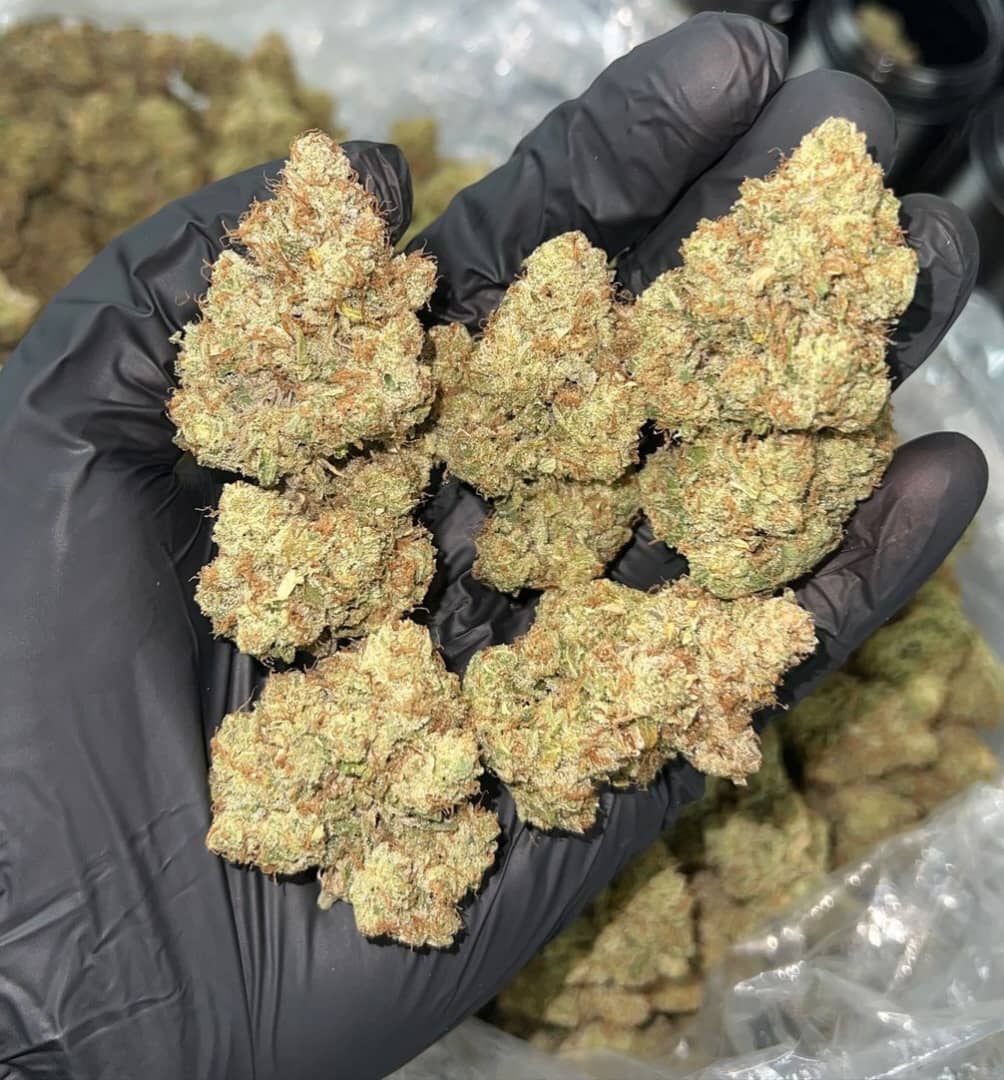
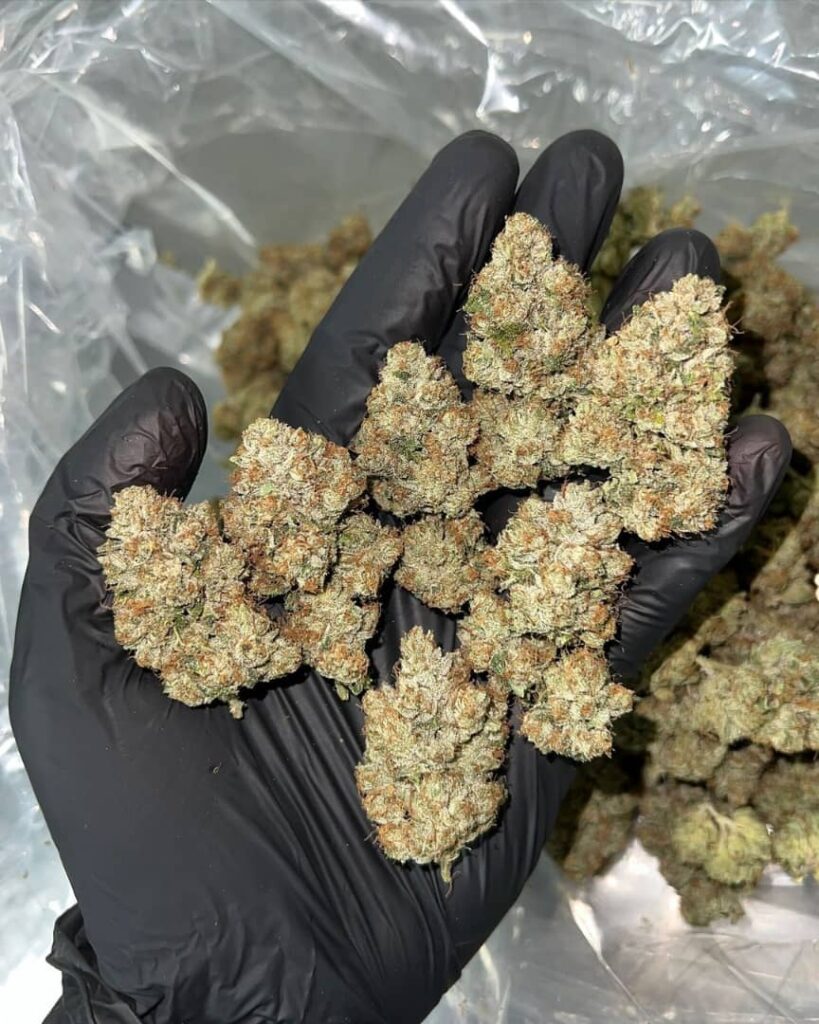
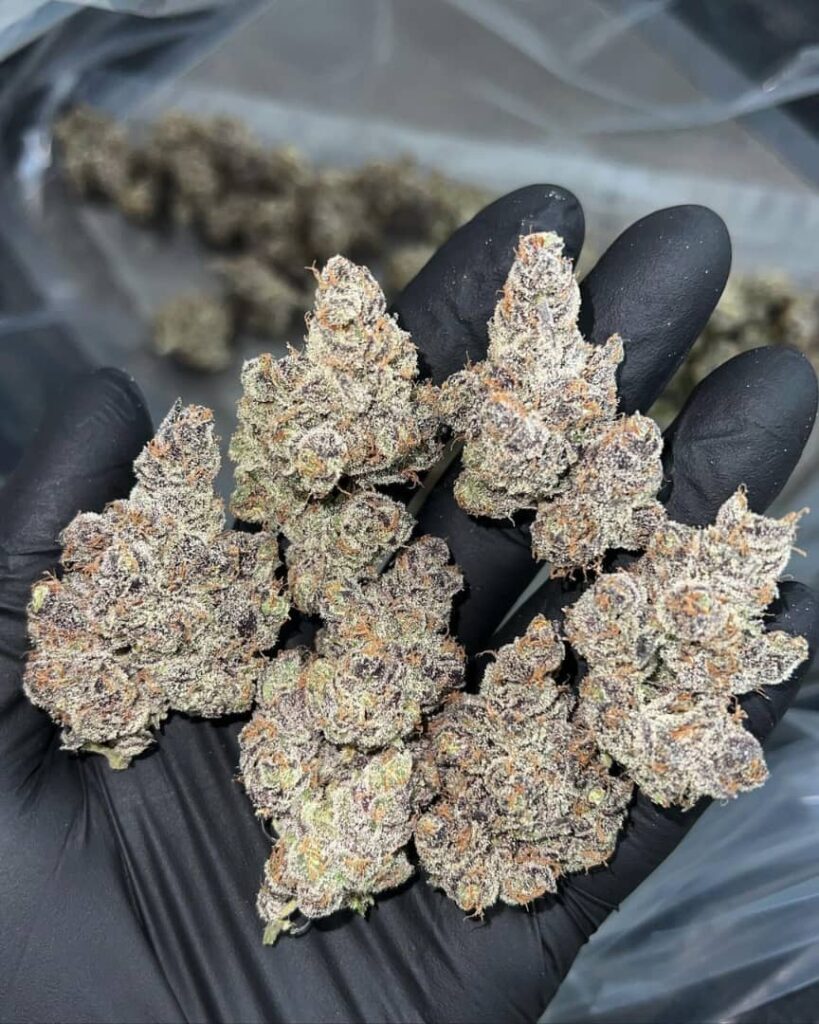
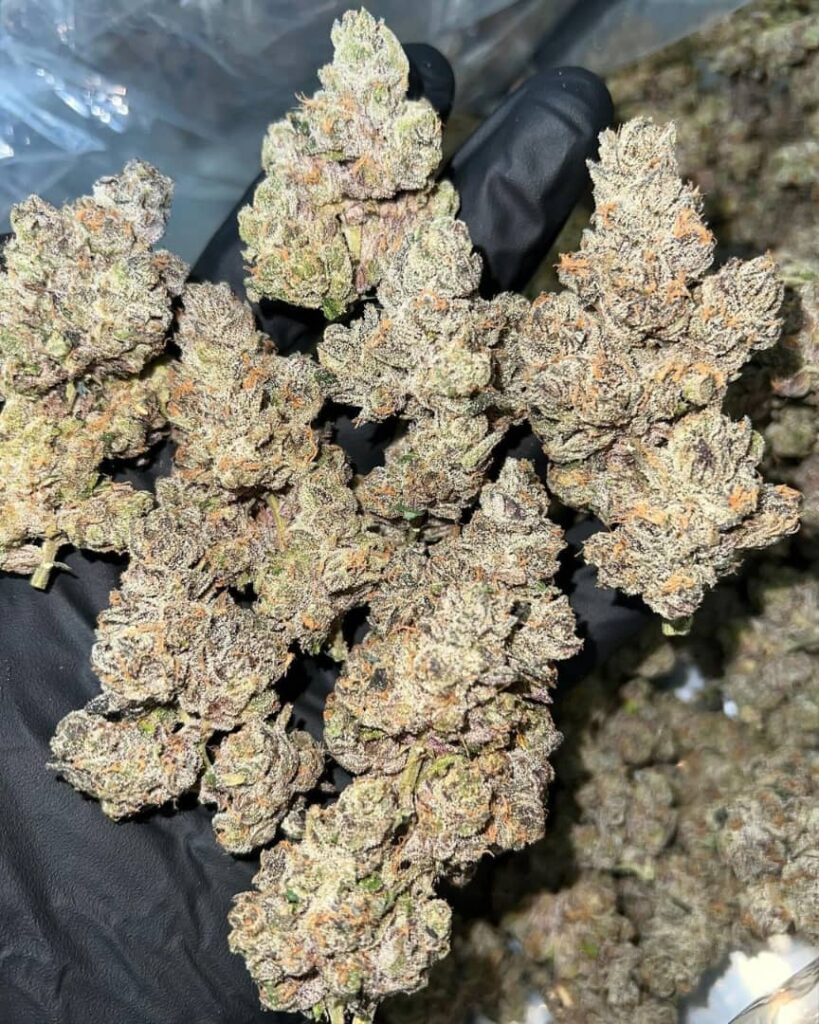
SFV OG Strain is one of the most recognizable names in the classic California OG family. Also known as San Fernando Valley OG, the cultivar is associated with the San Fernando Valley and is widely recognized for its distinctive combination of pine, earth, wood, citrus and traditional Kush-like aromatic characteristics.
What makes SFV OG particularly interesting to experienced cultivators is not simply its reputation. It represents an important chapter in the development and circulation of legacy California OG genetics. The cultivar has also been used extensively in subsequent breeding projects, with SeedFinder documenting numerous descendants involving SFV OG genetics.
For growers researching SFV OG genetics today, however, provenance matters. The name can refer to different related selections, and SFV OG should not automatically be treated as identical to SFV OG Kush or every plant marketed as San Fernando Valley OG.
That distinction is important when evaluating seeds, clones, phenotype descriptions and cultivation expectations.
What Is SFV OG?
SFV OG, short for San Fernando Valley OG, is a California-associated OG cultivar with a long-standing reputation among cannabis growers and enthusiasts.
Leafly currently lists SFV OG Strain as a hybrid and identifies pine, earthy and woody characteristics among its primary flavor descriptors, with myrcene, limonene and caryophyllene listed among its prominent terpenes. Its profile is also described as having focused, relaxed and happy reported effects.
The name comes from the San Fernando Valley, a region of Southern California that became strongly associated with the development and circulation of influential OG cannabis selections.
One of the most important points for researchers is that SFV OG has a documented distinction from SFV OG Kush.
Leafly lists SFV OG Kush separately and describes it as a cross involving SFV OG and OG Kush. That means the two names should not simply be used interchangeably.
SFV OG vs. San Fernando Valley OG
In many databases and commercial descriptions, SFV OG and San Fernando Valley OG are used as names for the same general cultivar.
SeedFinder also maintains a separate clone-only SFV OG entry and identifies it as associated with the SFV cut circulated through Swerve of The Cali Connection.
Because legacy cannabis genetics often circulated through clone networks rather than standardized seed catalogs, exact provenance can become difficult to reconstruct decades later.
That is why experienced growers should evaluate the specific genetic source, not simply the strain name printed on a label.
SFV OG Genetics and Lineage
The OG Kush Connection
SFV OG belongs to the broader OG Kush genetic family, but its exact historical lineage deserves careful explanation.
SeedFinder’s clone-only genealogy currently records SFV OG under an OG Kush phenotype identified as the SFV Cut. Its database genealogy traces that selection to an OG Kush lineage containing an unknown Emerald Triangle contribution and Hindu Kush. This is useful historical database evidence, but it should not be interpreted as definitive laboratory-confirmed ancestry.
That distinction is particularly important with legacy cannabis.
Modern strain descriptions sometimes compress complicated histories into simple formulas such as:
OG Kush → SFV OG
But historical clone lineages frequently involve selections, backcrosses, regional names and breeder interpretations that aren’t supported by surviving primary documentation.
The responsible way to describe SFV OG is therefore as an established OG-family cultivar associated with the San Fernando Valley and represented in clone-only genetic records, while acknowledging uncertainty around deeper ancestry.
Clone-Only Origins
SFV OG’s historical significance is closely connected with clone culture.
Before modern commercial seed catalogs made thousands of named varieties readily available, important cannabis genetics were often maintained as living mother plants and distributed through grower networks.
This created an important distinction:
A clone can represent a particular selection, while a seed carrying the same name may represent a breeding project derived from that selection.
SeedFinder currently categorizes its SFV OG entry as a clone-only cultivar while also documenting numerous later breeding projects involving the selection.
That history helps explain why SFV OG continues to attract attention among breeders and collectors of legacy genetics.
Breeding and SFV OG Genetics
The influence of SFV OG becomes particularly apparent when examining its documented descendants.
SeedFinder currently lists 187 direct descendants for its clone-only SFV OG entry. Those include crosses involving Chem Dawg, Sour Diesel, Tahoe OG, Skywalker OG, Larry OG, Gelato, Face Off OG, Triangle Kush and numerous other established lines.
This is one of the strongest indicators of SFV OG’s continuing genetic relevance.
Rather than being remembered solely as an old-school strain name, SFV OG has functioned as breeding material across multiple generations.
For breeders, that makes its value broader than consumer recognition. Its influence can appear through:
- OG-style aromatic expression
- Pine and citrus characteristics
- Resin-focused flower selections
- Kush-oriented plant structure
- Vigorous growth traits
- Legacy OG market recognition
Individual offspring obviously depend on the other parent and the selection process, so no single characteristic should be guaranteed across every SFV OG-derived cross.
Why SFV OG Became a California Classic
The popularity of SFV OG makes more sense when viewed in the context of Southern California’s OG culture.
OG genetics became known for aromatic intensity, resin production and distinctive combinations of citrus, pine, fuel and earthy Kush notes. Within that broader family, SFV OG developed its own identity.
What separates legacy genetics from a short-lived trend is repeat recognition.
New cultivars appear constantly. Many generate attention for a few seasons before being replaced by another cross.
Legacy OG selections are different.
They have accumulated:
- Grower knowledge
- Breeding history
- Phenotypic documentation
- Community recognition
- Generational familiarity
SFV OG’s extensive presence in documented breeding pedigrees demonstrates how that legacy continued into later generations.
For experienced cultivators, that history can be more meaningful than a newly invented strain name.
SFV OG Aroma, Flavor & Terpene Profile
Aroma
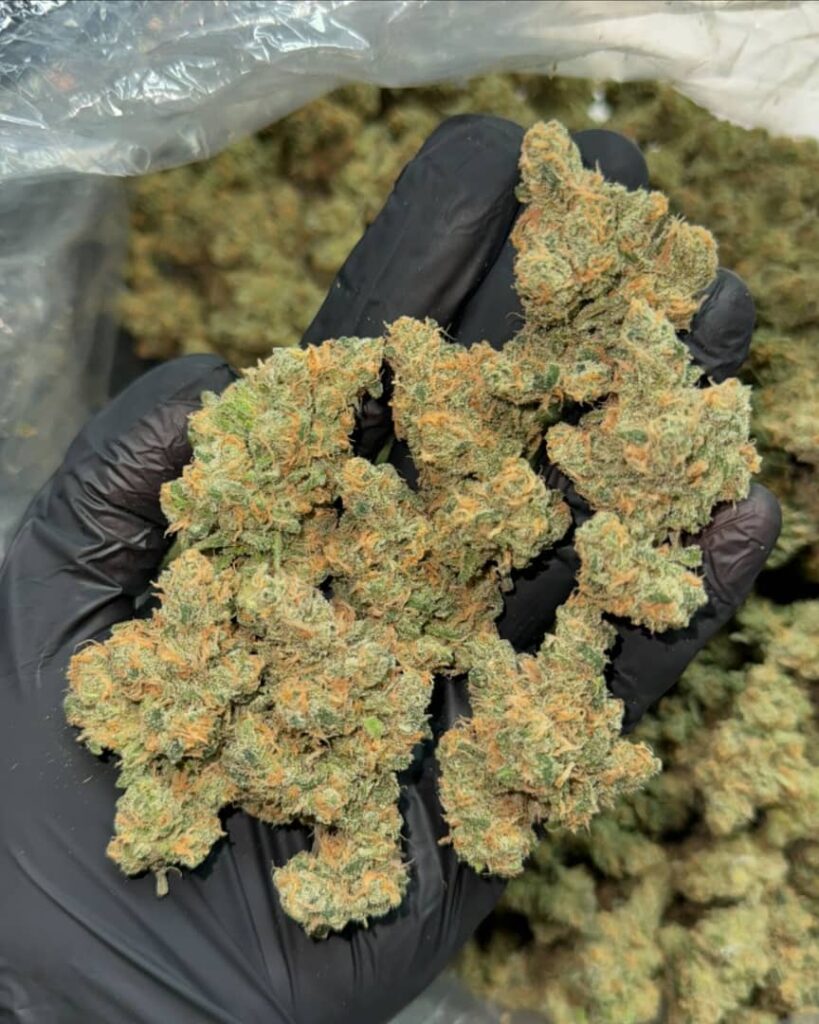
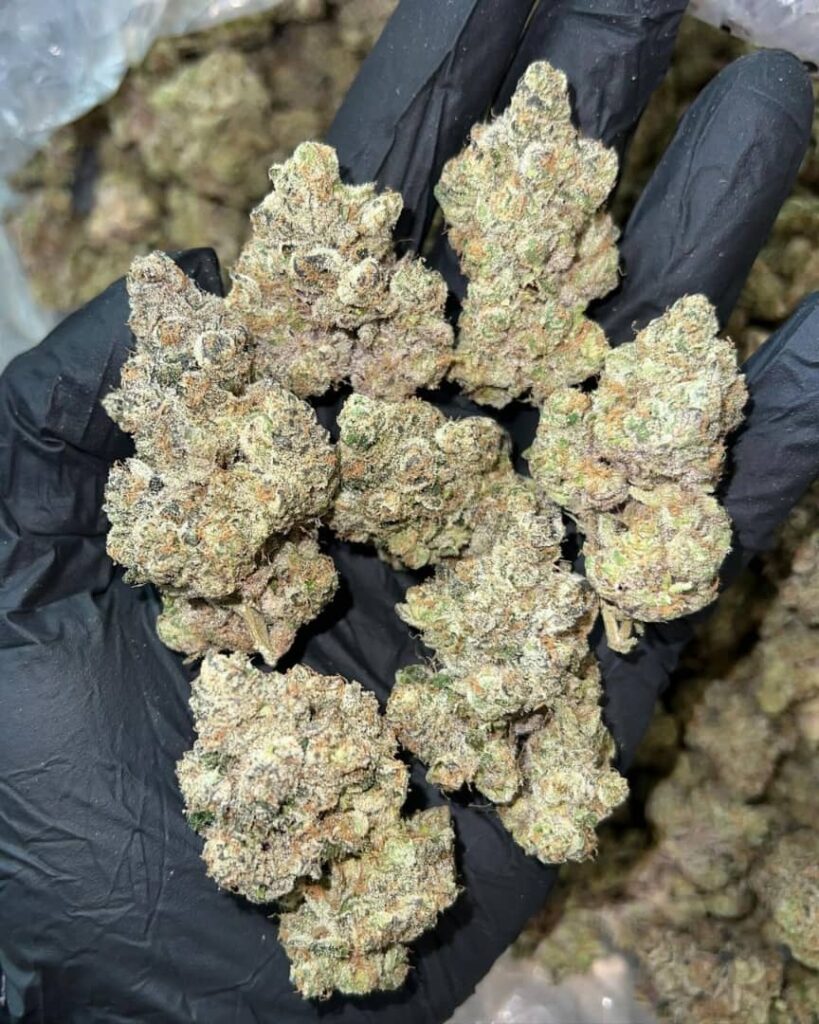
The classic SFV OG flavor and aroma profile is generally associated with:
- Pine
- Earth
- Lemon
- Woody notes
- Herbal character
- Pungent Kush-like aromas
- Occasional fuel or chemical notes
Leafly currently lists pine, earthy and woody among SFV OG’s leading flavor descriptors.
A separate Leafly-hosted botanical terpene profile describes the cultivar with piney, earthy, pungent characteristics and additional lemon notes. Because that page describes a botanical terpene recreation rather than a laboratory analysis of a specific cannabis batch, its percentages should not be treated as universal SFV OG chemistry.
Flavor
When expressed well, SFV OG can deliver a distinctly old-school Kush profile.
The initial impression may lean toward citrus and pine, followed by earthy or woody notes and a lingering pungent finish.
Phenotype, environmental conditions, harvest timing, drying and curing can all influence the final expression.
This is an important consideration when comparing different SFV OG flowers or plant selections: the strain name does not guarantee identical terpene expression.
SFV OG Terpene Profile
Leafly currently identifies three prominent terpenes associated with SFV OG:
Myrcene
Myrcene is commonly associated with earthy, herbal and musky aromatic characteristics.
Limonene
Limonene contributes citrus-like aromatic qualities and can help explain the lemon character frequently associated with OG-family cultivars.
Caryophyllene
Beta-caryophyllene contributes peppery, spicy and woody aromatic characteristics.
Leafly lists myrcene, limonene and caryophyllene among SFV OG’s primary terpenes.
Importantly, there is no single universal SFV OG terpene percentage. Terpene concentration can vary substantially between phenotypes, cultivation environments, harvest dates and individual laboratory-tested batches.
SFV OG Effects and Potency
Consumer experience with SFV OG varies considerably.
Leafly’s current community data lists focused, relaxed and happy among the leading reported effects.
Individual reviews, however, demonstrate considerable variation. Some consumers describe energetic or clear-headed experiences, while others report relaxation, sleepiness or stronger physical effects.
This variation is normal.
Cannabis effects are influenced by cannabinoid concentration, terpene composition, individual physiology, tolerance, consumption method and dose. Consequently, a strain profile should describe reported characteristics rather than promise a specific experience.
Potency
Leafly currently lists SFV OG at approximately 20% THC on its strain profile. Individual commercial flowers can test higher or lower, however, so a strain-level number should never be interpreted as a guaranteed potency for every harvest.
The most accurate potency information comes from a laboratory report associated with the specific batch.
Why Growers Still Choose SFV OG
There is a practical reason legacy genetics continue to interest experienced cultivators.
Known genetics reduce uncertainty.
That doesn’t mean every clone is identical or that every legacy cultivar automatically outperforms modern hybrids. Instead, established genetics provide something valuable: a body of accumulated cultivation knowledge.
Growers have had years to observe how OG-family plants respond to:
- Canopy training
- Environmental changes
- Nutrient strategies
- Humidity
- Root-zone conditions
- Flower development
- Harvest timing
SFV OG’s documented breeding history adds another layer of value.
The cultivar has contributed to crosses involving numerous recognized lines, including Motorbreath, Tahoe OG, Skywalker OG, Sour OG and several other OG- and Kush-related projects.
That makes SFV OG relevant not only as a flower cultivar but also as part of the broader history of modern cannabis genetics.
SFV OG Growing Guide
Cultivation characteristics can vary between SFV OG selections, so growers should avoid treating a single published number as universal.
Leafly’s current profile indicates that SFV OG prefers a dry outdoor climate, performs well when allowed to develop substantial plant size, and can display multiple phenotypic expressions.
Indoor Growing
Indoor cultivation gives growers greater control over:
- Temperature
- Humidity
- Irrigation
- Lighting
- Canopy architecture
- Air movement
- Flowering environment
For SFV OG, canopy management deserves particular attention.
An established OG selection may develop substantial lateral growth and stretch during the transition into flowering. Training before and during early flower can help maintain an even canopy.
Useful approaches may include:
- Low-stress training
- Strategic topping
- Trellising
- Selective branch management
- Early canopy shaping
The exact response depends on the phenotype.
Outdoor Growing
SFV OG has a strong California association, and Leafly specifically notes its preference for a dry outdoor climate.
Outdoor growers should therefore pay particular attention to:
- Airflow
- Humidity
- Rain exposure
- Root-zone drainage
- Plant spacing
- Seasonal temperature changes
Large plants can produce impressive canopies, but increased canopy density can also make environmental management more difficult.
Flowering Time
An approximately 8–10 week flowering range is a reasonable cultivation planning window for many SFV OG selections, but it should be treated as an estimate rather than a guaranteed cultivar specification.
The exact harvest window depends on the particular selection, environment and desired maturity.
Rather than harvesting according to a calendar alone, growers should evaluate:
- Trichome development
- Pistil maturity
- Resin production
- Flower density
- Overall plant maturity
Stretch and Canopy Management
SFV OG’s structure can make early planning important.
Rather than waiting until plants become difficult to manage, establish the desired canopy before the flowering stretch becomes significant.
For commercial production, consistency between plants is particularly important because uniformity influences:
- Light distribution
- Irrigation
- Labor requirements
- Harvest scheduling
- Drying capacity
- Quality control
Environmental Management
OG-family cultivars generally reward careful environmental management.
Maintain appropriate:
- Temperature
- Relative humidity
- Air exchange
- Root-zone moisture
- Irrigation frequency
- Canopy airflow
Avoid excessive moisture around dense flowering structures.
The objective is not simply maximum growth. The better objective is controlled, healthy growth that supports consistent flower development.
Seeds vs. SFV OG Rooted Clones
The decision between SFV OG seeds and SFV OG rooted clones depends heavily on the grower’s objective.
Benefits of Seeds
Seeds can be useful for:
- Phenotype hunting
- Breeding
- Genetic exploration
- Developing new selections
- Maintaining genetic diversity
A seed population can provide variation that allows a breeder to identify desirable traits.
However, variation is also the downside when uniformity is the priority.
Benefits of Rooted Clones
A properly maintained rooted clone can provide a much more defined starting point.
Advantages may include:
- Known genetic identity
- Established root development
- Faster transition into active growth
- More predictable architecture
- Greater crop-planning consistency
For commercial cultivation, this predictability can be particularly valuable.
A grower isn’t simply buying a plant. They are selecting a known starting point for an entire production system.
That is why the quality of the mother plant and nursery process matters so much.
Why Genetics Matter More Than Most Growers Realize
A cultivation facility can have excellent lighting, irrigation and environmental controls, but those systems cannot compensate for weak starting material.
Genetics influence the plant before it ever enters the production room.
They can affect:
- Vigor
- Root development
- Branching
- Stretch
- Flower structure
- Resin production
- Terpene expression
- Harvest timing
- Uniformity
Healthy nursery material also matters.
A rooted clone with a strong root system gives the grower a fundamentally different starting point than stressed, poorly rooted or inconsistently maintained material.
The broader principle is simple:
Success starts with strong genetics and healthy plant material.
For commercial growers, that principle becomes even more important because small inconsistencies multiply across an entire production cycle.
Evaluating Premium SFV OG Genetics
When evaluating SFV OG Strain genetics, look beyond the label.
A professional grower should consider:
Genetic provenance
Where did the selection originate, and is the source able to explain its genetic history?
Plant health
Does the nursery material show vigorous growth and a well-developed root system?
Uniformity
Are plants consistent in size, structure and developmental stage?
Mother-plant quality
Healthy clones begin with healthy mother plants.
Documentation
Can the nursery explain what selection is being maintained?
Cultivation suitability
Does the plant match the intended production environment?
These questions are more useful than simply choosing a cultivar because it is currently trending.
Wild Leaf Gardens and Legacy Genetics
For a professional cannabis nursery, legacy genetics should be treated as living genetic material rather than simply another product name.
SFV OG is particularly relevant because its history extends beyond one harvest or one marketing cycle. Its documented presence in breeding pedigrees demonstrates how the selection has contributed to subsequent generations of OG and Kush-related genetics.
For Wild Leaf Gardens, the strongest educational message is therefore centered on genetic quality, plant health and responsible nursery practices.
A professional nursery approach should emphasize:
- Healthy mother plants
- Strong root development
- Careful plant selection
- Consistent nursery practices
- Accurate strain identification
- Appropriate environmental management
- Clear communication with growers
Seasonal availability can also affect legacy genetics. Established cultivars may attract greater interest during periods when growers are planning new production cycles.
Rather than treating genetics as interchangeable commodities, experienced growers generally benefit from evaluating provenance, plant health and consistency together.
Who Is SFV OG Best Suited For?
SFV OG may be particularly interesting to growers who value established California genetics and classic OG characteristics.
Commercial cultivators
Useful when consistent genetic material and recognizable cultivar characteristics are important to production planning.
Home growers
A strong option for growers interested in learning the characteristics of traditional OG-family plants.
OG enthusiasts
Particularly relevant for people interested in legacy California cannabis genetics.
Premium flower producers
The cultivar’s recognizable aromatic profile can make it interesting for terpene-focused flower production.
Breeders
Its extensive documented breeding history demonstrates its continuing relevance as genetic material.
Genetic collectors
SFV OG represents an important piece of the broader history of California OG genetics.
SFV OG Frequently Asked Questions
What strain is SFV OG?
SFV OG, or San Fernando Valley OG, is a California-associated OG-family cultivar. Leafly currently lists it as a hybrid with pine, earthy and woody characteristics.
Is SFV OG an OG Kush phenotype?
SFV OG is widely associated with the OG Kush family. SeedFinder’s clone-only genealogy specifically records the selection under an OG Kush phenotype identified as the SFV Cut.
What are SFV OG genetics?
The deeper ancestry is not completely settled. Historical databases connect the clone-only SFV OG selection to an OG Kush SFV phenotype, with deeper ancestry involving unknown and Hindu Kush-related material. These records should be treated as historical database evidence rather than definitive genetic testing.
What does SFV OG taste like?
Commonly reported characteristics include pine, earth, wood and citrus or lemon notes. Individual phenotypes can express additional fuel, herbal or pungent characteristics.
What are the main SFV OG terpenes?
Leafly currently identifies myrcene, limonene and caryophyllene among SFV OG’s prominent terpenes. Exact concentrations vary between plants and laboratory-tested batches.
How strong is SFV OG?
Leafly currently lists approximately 20% THC for its strain profile, but individual batches can vary considerably. Batch-specific laboratory results are the appropriate source for determining actual potency.
How long does SFV OG flower?
Many SFV OG cultivation references place flowering in roughly the 8–10 week range, although the exact duration depends on the selection and growing environment.
Is SFV OG easy to grow?
It can be suitable for experienced growers, but environmental control and canopy management are important. Leafly notes a preference for dry outdoor conditions and reports multiple phenotypes with different growth characteristics.
Are SFV OG clones better than seeds?
Neither is universally better. Seeds provide genetic variation and opportunities for phenotype selection, while rooted clones can provide a more defined genetic starting point and greater production consistency.
Why do growers prefer rooted clones?
Healthy rooted clones can reduce the uncertainty associated with starting from seed because the grower begins with established genetic material and an existing root system.
Where can growers research SFV OG clones?
The most important consideration is not simply the name “SFV OG,” but the provenance, health and identity of the particular selection being maintained by a nursery.
What makes SFV OG different from Tahoe OG?
They are related within the broader OG family, but they are not the same cultivar. SeedFinder documents Tahoe OG as a cross involving OG Kush and SFV OG in one lineage record, demonstrating the genetic relationship while also distinguishing the selections.
What makes SFV OG different from OG Kush?
SFV OG is associated with the OG Kush family but represents a particular San Fernando Valley selection. The terms should not automatically be treated as interchangeable.
Is SFV OG useful for breeding?
Yes, historically. SeedFinder currently documents a large number of direct descendants involving SFV OG genetics, including crosses with numerous established cultivars.
Is SFV OG suitable for commercial cultivation?
It can be, particularly for cultivators interested in established OG genetics, but commercial suitability ultimately depends on the specific selection, nursery quality, environmental system and production objectives.
Conclusion
SFV OG remains relevant because it represents more than a recognizable strain name.
It is part of the history of California’s OG movement, has been maintained through clone culture, and has contributed genetics to a substantial number of later breeding projects.
Its familiar combination of pine, earth, citrus, wood and Kush-like aromatics continues to distinguish it from many newer cultivars. Myrcene, limonene and caryophyllene are among the terpenes commonly associated with its profile, although actual expression varies by phenotype and cultivation conditions.
For growers, the bigger lesson is the importance of genetic provenance and healthy starting material.
A cultivar with decades of history still needs to be maintained properly. Strong mother plants, healthy roots, accurate identification and consistent nursery practices all contribute to the value of a genetic selection.
For growers researching SFV OG genetics through Wild Leaf Gardens, the most useful next step is to review the nursery’s current genetic information, plant-health standards and availability directly rather than relying solely on the strain name.
Reviews
There are no reviews yet.