
Description
LA Kush Cake Strain Guide: Genetics, Effects, Growing Tips & Premium Clones
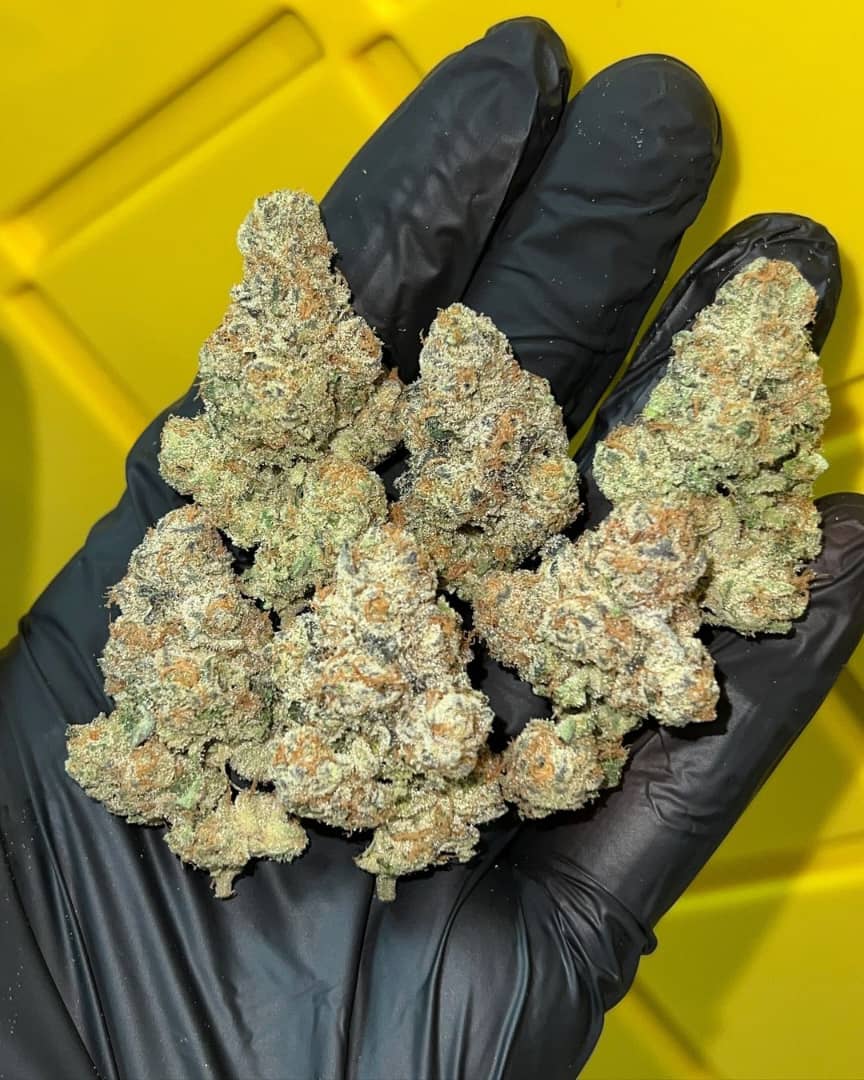
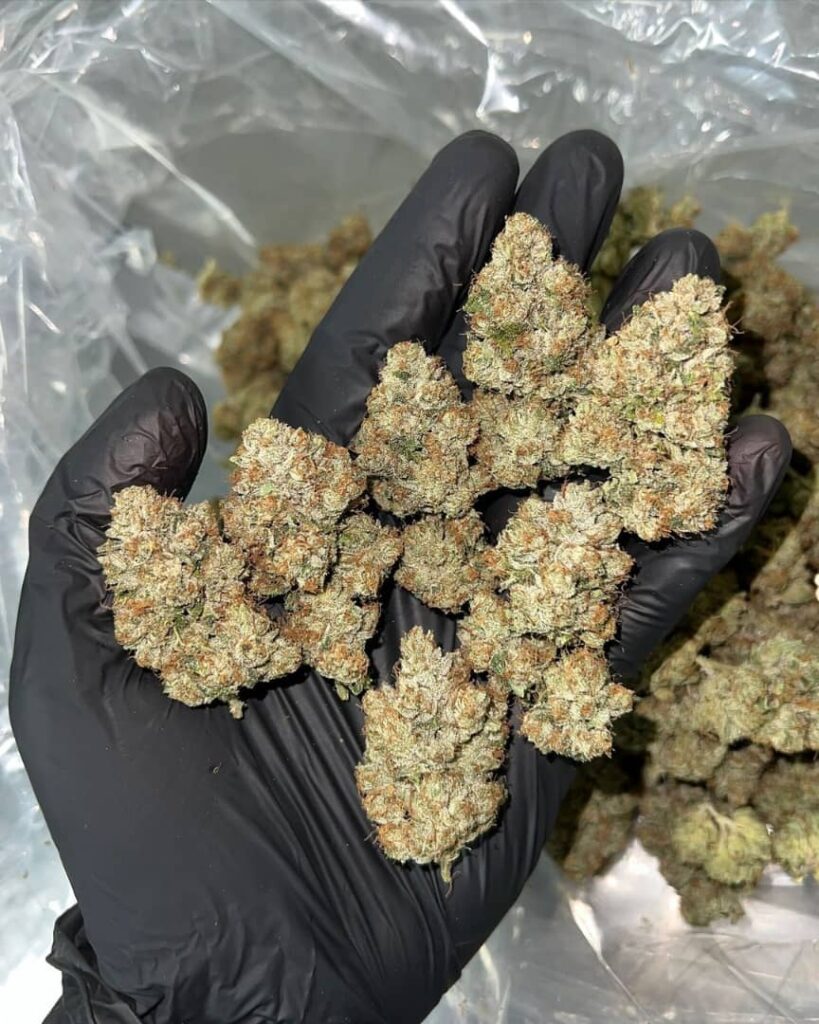
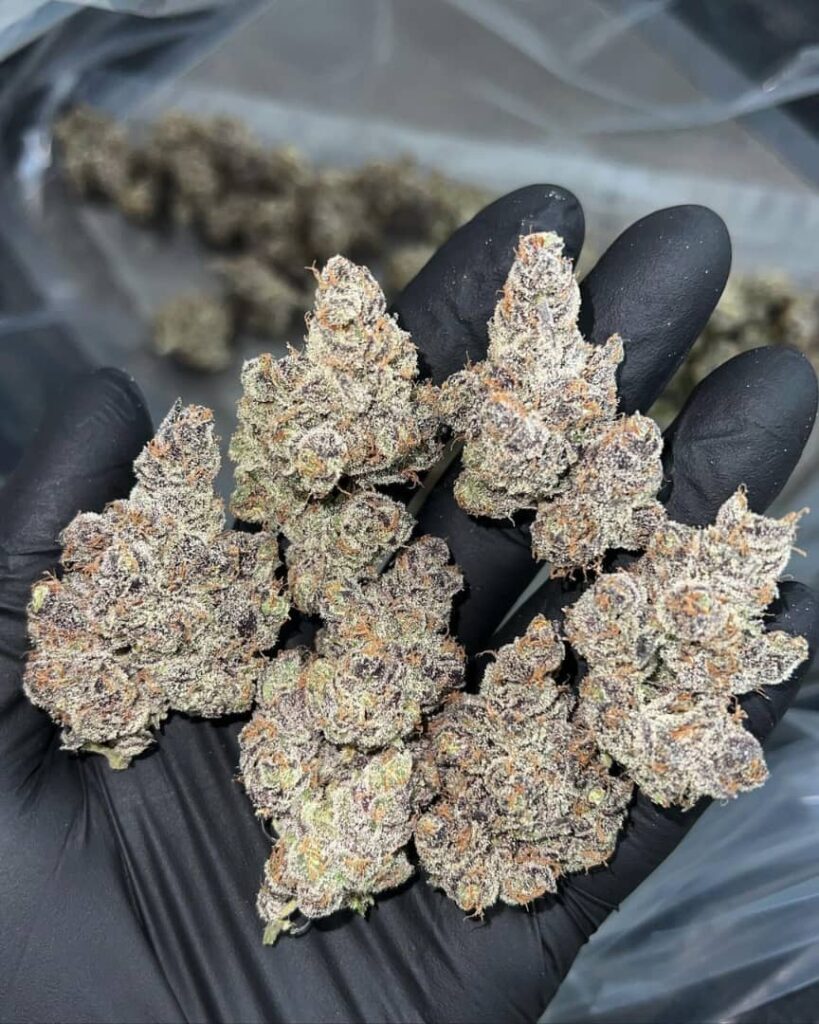
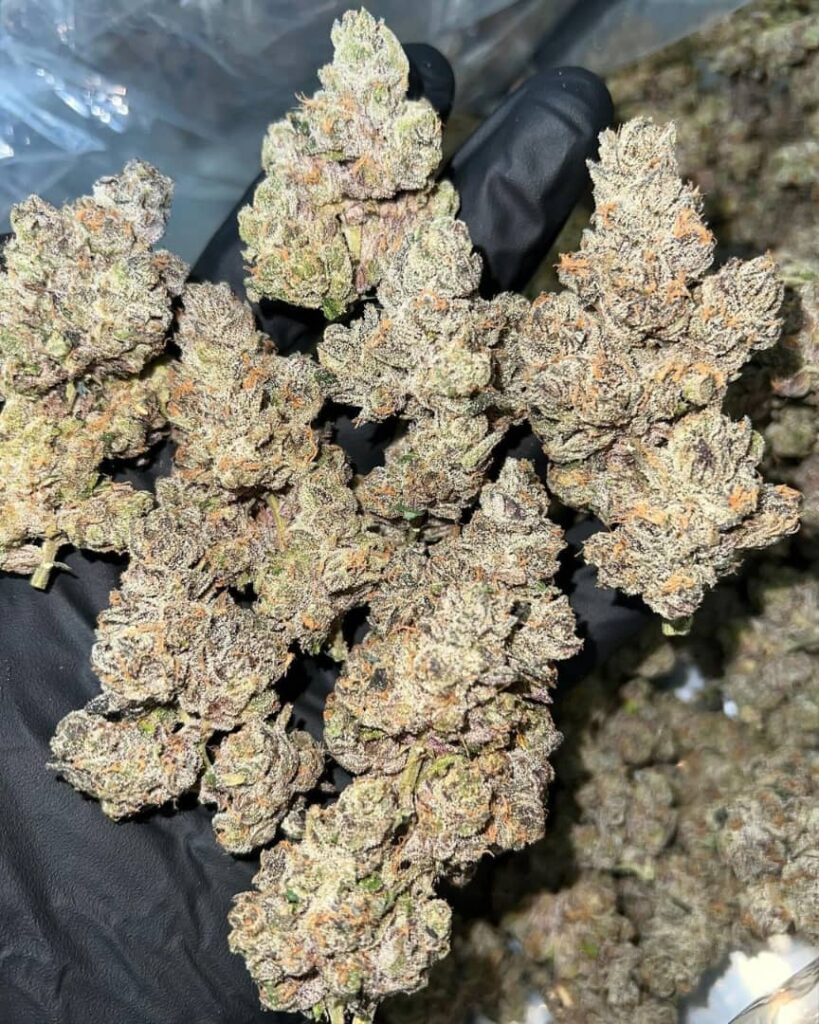
LA Kush Cake Strain has become one of the recognizable names in the modern Cake and Kush cannabis families. Its combination of Wedding Cake and Kush Mints genetics brings together dessert-style sweetness, minty Kush character, dense flower structure, and heavy trichome expression. For cultivators, the appeal goes beyond flavor: LA Kush Cake represents the type of established modern cultivar where genetic provenance and plant quality can make a meaningful difference in the finished crop.
Current strain references identify LA Kush Cake as a hybrid associated with Seed Junky Genetics, created from Wedding Cake × Kush Mints. Leafly currently lists it as a hybrid with approximately 23% THC, while describing vanilla, mint, and pepper among its leading flavors and limonene, caryophyllene, and myrcene as its principal reported terpenes.
That combination helps explain why the LA Kush Cake strain has maintained strong recognition among consumers and cultivators.
But the name alone doesn’t guarantee a particular outcome.
The actual performance of any LA Kush Cake plant depends on the specific genetic selection, propagation quality, environment, cultivation practices, harvest timing, and post-harvest handling.
For serious growers, that makes understanding the genetics just as important as understanding the strain’s reputation.
What Is LA Kush Cake?
LA Kush Cake is a modern cannabis hybrid created by combining two prominent Seed Junky-associated cultivars: Wedding Cake and Kush Mints. Leafly identifies it as an indica-dominant hybrid in its description, while classifying it broadly as a hybrid.
The cultivar is also known by names including Los Angeles Kush Cake, LA Kush Cake #11, Los Angeles Kush, Los Angeles Cake, and Tinsel Mints in different databases and markets.
Its recognizable characteristics include:
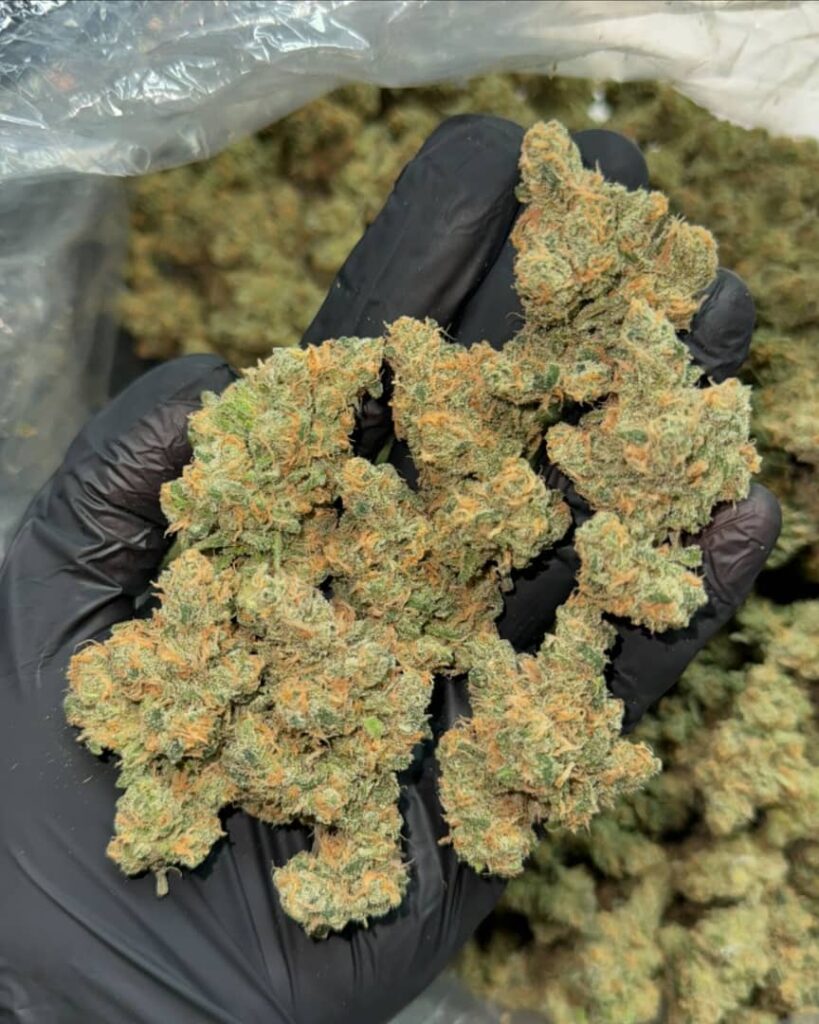
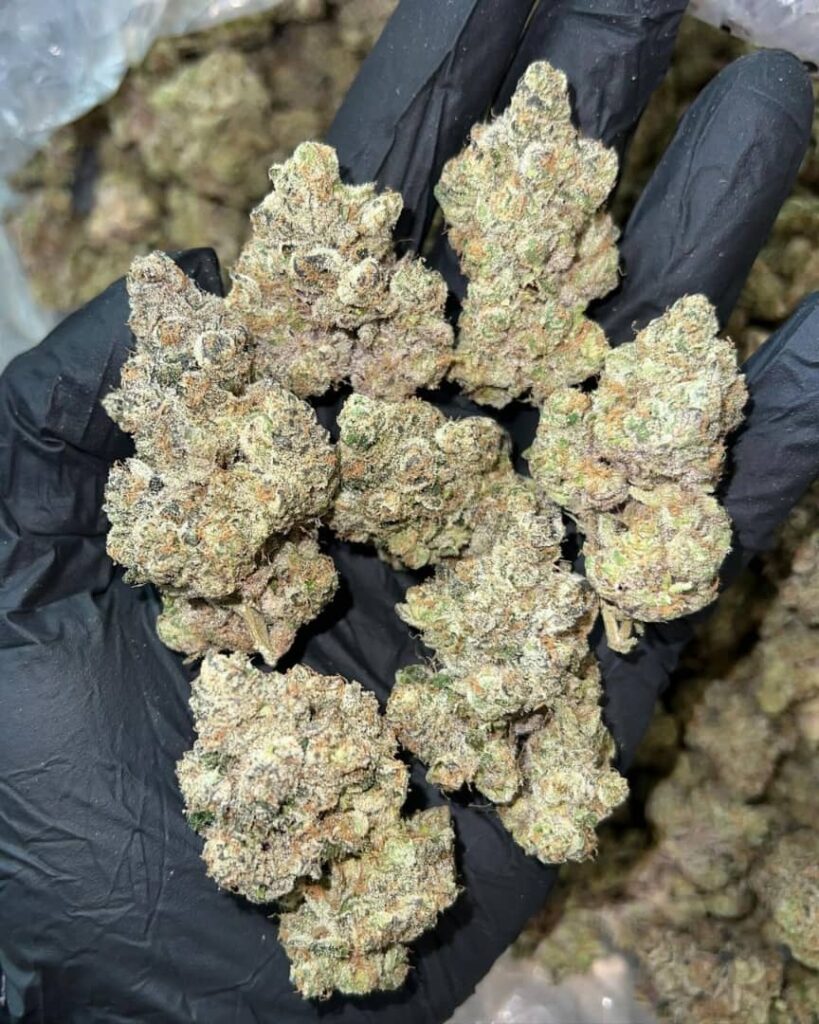
- Dense, frosty flowers
- Heavy visible trichome coverage
- Vanilla-forward aroma
- Mint and pepper notes
- Earthy Kush character
- Strong resin expression
- Generally calming consumer-reported effects
- Established recognition among modern Cake-family cultivars
The cultivar’s popularity is not accidental.
LA Kush Cake Strain appeared during a period when Cake-family genetics were becoming increasingly influential in modern cannabis breeding. Seed Junky’s Wedding Cake had already developed a major following, while Kush Mints became another important branch of the breeder’s genetic work.
LA Kush Cake effectively combines those two directions.
LA Kush Cake Genetics and Lineage
The documented core of the lineage is straightforward:
Wedding Cake × Kush Mints → LA Kush Cake
SeedFinder’s current LA Kush Cake entry attributes the cultivar to Seed Junky Genetics and identifies Wedding Cake and Kush Mints as the parent strains.
Understanding those parents helps explain the resulting plant.
Wedding Cake Influence
Wedding Cake is one of Seed Junky’s most recognizable cultivars.
Leafly identifies Wedding Cake as Triangle Kush × Animal Mints, although the cultivar has historically been surrounded by competing lineage descriptions. Leafly has specifically noted that the breeder’s own account differs from the older GSC × Cherry Pie explanation frequently repeated online.
Wedding Cake became known for:
- Dense flower structure
- Heavy trichome coverage
- Vanilla and earthy sweetness
- Strong market recognition
- Relaxing consumer-reported effects
Leafly’s historical coverage also notes that Wedding Cake became its 2019 Strain of the Year, demonstrating the cultivar’s importance in modern cannabis culture and breeding.
Those characteristics became an important foundation for LA Kush Cake.
Kush Mints Influence
Kush Mints provides the other major branch.
Leafly documents Kush Mints as a Seed Junky creation resulting from Animal Mints × Bubba Kush. It describes the cultivar as producing dense, compact flowers and a distinctive minty-cookie aroma.
The Kush Mints side contributes a different dimension to the LA Kush Cake profile:
- Mint
- Kush
- Resin
- Dense flowers
- Strong aromatic expression
- Complex hybrid structure
Why the Cross Works
The appeal of LA Kush Cake comes from the interaction between those two genetic families.
Wedding Cake brings established Cake-family identity and dessert-like aromatics.
Kush Mints contributes mint, Kush character, and resin-focused flower traits.
The resulting cultivar sits naturally within the modern dessert/Kush category without simply reproducing either parent.
That is one of the reasons LA Kush Cake genetics remain interesting to growers.
Why LA Kush Cake Became a Modern Cultivation Favorite
Some cultivars have a short commercial lifespan.
Others become genetic reference points.
LA Kush Cake belongs closer to the second category.
Its continued recognition can be explained by several factors.
Strong Bag Appeal
Dense flowers covered with visible trichomes are immediately recognizable.
That matters in competitive flower markets where visual presentation is often the first indicator consumers use when evaluating a product.
Distinctive Aroma
The combination of vanilla, mint, pepper, earth, and Kush character gives LA Kush Cake an identifiable aromatic direction.
It isn’t simply another generic sweet cultivar.
Recognizable Genetics
Wedding Cake and Kush Mints are both established cultivars.
That gives LA Kush Cake genetic recognition that many newer crosses have not yet developed.
Resin Potential
Heavy trichome coverage is one of the cultivar’s most commonly described visual characteristics. Leafly specifically describes LA Kush Cake flowers as being covered in frosty trichomes.
For growers interested in flower quality or solventless production, resin expression can therefore be an important consideration.
Consumer Recognition
LA Kush Cake has also benefited from the broader popularity of the Cake family.
Leafly’s coverage of Wedding Cake’s genetic descendants specifically identifies LA Kush Cake as one of the notable members of that family.
That kind of genetic recognition can persist even as the market moves toward new cultivars.
LA Kush Cake Aroma, Flavor & Terpene Profile
One of the strongest aspects of LA Kush Cake is its aromatic complexity.
Aroma
Commonly reported notes include:
- Vanilla
- Mint
- Pepper
- Earth
- Kush
- Creamy sweetness
- Herbal spice
- Subtle gas
Leafly currently lists vanilla, mint, and pepper as the leading flavors.
The combination is particularly interesting because the sweetness is not isolated.
Instead, the dessert character is balanced by mint, pepper, and earthy Kush notes.
Flavor
A typical LA Kush Cake flavor description may include:
Sweet vanilla → mint → pepper → earthy Kush finish
Some phenotypes can emphasize one component more heavily than another.
A plant selected for stronger Kush expression may appear more earthy and pungent, while another selection may emphasize creamy vanilla and mint.
That is one reason experienced cultivators pay attention to phenotype selection rather than assuming every plant carrying the same strain name will taste identical.
LA Kush Cake Terpene Profile
Current Leafly data identifies three principal terpenes:
- Limonene
- Caryophyllene
- Myrcene
Leafly’s earlier LA Kush Cake coverage likewise reported laboratory results showing a profile led by limonene alongside caryophyllene and myrcene.
Limonene
Limonene is associated with citrus-like aromatic characteristics.
Its presence can contribute brightness to otherwise heavy dessert and Kush profiles.
Caryophyllene
Caryophyllene is associated with peppery, spicy, and woody aromas.
That makes it particularly relevant to LA Kush Cake’s pepper and Kush character.
Myrcene
Myrcene is commonly associated with earthy, herbal, musky, and sometimes fruity aromatic qualities.
Together, these compounds help explain why LA Kush Cake can move between sweet dessert, mint, earth, and spice depending on the particular phenotype.
Important Terpene Consideration
A terpene profile should never be treated as a permanent genetic fingerprint.
Terpene expression can vary with:
- Phenotype
- Environmental conditions
- Temperature
- Light
- Harvest timing
- Drying
- Curing
- Storage
- Laboratory methodology
A laboratory report from one LA Kush Cake harvest therefore should not automatically be presented as the chemical profile of every LA Kush Cake plant.
LA Kush Cake THC and Effects
LA Kush Cake THC
Leafly currently lists LA Kush Cake at approximately 23% THC and 1% CBG.
However, that number should be interpreted as a database/product-profile reference rather than a guarantee.
Cannabinoid concentrations can vary considerably between:
- Phenotypes
- Cultivation environments
- Harvests
- Processing methods
- Products
- Laboratories
For commercial products, batch-specific laboratory testing is the appropriate source for actual cannabinoid concentrations.
LA Kush Cake Effects
Leafly’s current user-reported effects are:
- Aroused
- Relaxed
- Sleepy
The overall profile is described as predominantly calming.
However, these effects are based largely on consumer reports and should not be interpreted as medical evidence.
Individual experiences can differ significantly.
Mental Experience
Users commonly describe a relaxing and euphoric character.
Some reports also describe uplifted or happy sensations.
Physical Experience
The cultivar is frequently associated with a heavier, calming physical experience, particularly later in the experience.
Overall Character
LA Kush Cake is generally better understood as a calming, dessert-style hybrid with strong physical and sensory character than as a narrowly defined “daytime” or “nighttime” cultivar.
No cannabis cultivar affects everyone in exactly the same way.
Why Growers Continue Choosing LA Kush Cake Strain
There are practical reasons cultivators continue to pay attention to LA Kush Cake.
Flower Quality
Dense, frosty flowers are a major part of the cultivar’s identity.
Trichome Development
The cultivar’s visible resin coverage is one of its most recognizable characteristics.
Market Familiarity
Consumers already understand the Cake and Kush categories.
That gives established genetics an advantage over completely unknown cultivars.
Aromatic Identity
Vanilla, mint, pepper, and earthy Kush create a recognizable profile.
Breeding Value
Because LA Kush Cake combines two established genetic lines, it can also be interesting to breeders evaluating offspring for structure, aroma, resin, and overall flower expression.
LA Kush Cake Growing Guide: What Cultivators Should Know
Growing information for LA Kush Cake is less standardized than its lineage information.
That distinction is important.
Some commercial and community sources provide flowering estimates, but those numbers can vary depending on the particular selection.
Rather than presenting one number as universal, growers should use the genetic source’s own cultivation information when available.
A practical working expectation for many LA Kush Cake Strain selections is approximately 8–10 weeks of flowering, but individual plants can finish outside that window.
Indoor Growing
Indoor cultivation provides the greatest ability to manage:
- Temperature
- Humidity
- Lighting
- Airflow
- Irrigation
- Canopy structure
- Flowering duration
LA Kush Cake’s dense flower structure makes environmental management especially important.
The goal is not simply maximum humidity control.
The goal is a stable environment with sufficient air movement through and around the canopy.
Outdoor Growing
Outdoor cultivation can work in suitable climates, but environmental consistency becomes more difficult.
Late-flowering plants should receive particular attention during periods of:
- High humidity
- Heavy rainfall
- Poor nighttime airflow
- Large temperature swings
Growers should evaluate their local climate before choosing an outdoor production schedule.
Flowering Time
An approximately 8–10 week flowering window is a reasonable cultivation reference for LA Kush Cake, but it should not replace observation of the actual plant.
Harvest readiness is better evaluated through plant development than by calendar alone.
Yield Potential
Reliable, universally applicable yield statistics are difficult to establish for LA Kush Cake.
Yield depends on:
- Genetic selection
- Plant count
- Vegetative duration
- Lighting
- Canopy management
- Environmental control
- Root-zone management
- Cultivation system
- Harvest timing
For that reason, specific gram-per-square-meter claims should only be used when backed by documented trials or source-specific breeder data.
Environmental Management for LA Kush Cake
Dense flowers can create challenging microclimates.
That makes airflow and humidity management important.
Airflow
Air should move through the growing area rather than simply blowing directly at individual flowers.
A well-managed canopy should not contain large stagnant pockets.
Humidity
Late-flowering conditions deserve particular attention.
High humidity combined with dense flowers can increase environmental risk.
Canopy Control
An uneven canopy can create:
- Shaded lower growth
- Uneven flower development
- Crowded branches
- Poor airflow
- Inconsistent light exposure
Trellising and selective training can help create a more uniform structure.
Training LA Kush Cake
Training should be matched to plant vigor rather than applied automatically.
Potential techniques include:
- Low-stress training
- Topping
- Trellising
- Selective branch removal
- Canopy spacing
The objective is simple:
Create a productive, evenly illuminated canopy without creating unnecessary plant stress.
For experienced cultivators, the best training strategy is often the one that requires the fewest corrective interventions later in flowering.
Common LA Kush Cake Cultivation Challenges
Dense Flower Structure
Dense flowers can require careful environmental management.
Canopy Crowding
Strong branching and large flower sites can quickly create crowded areas if plant spacing is inadequate.
Humidity
Late flowering deserves particular attention in humid environments.
Phenotype Variation
Seed-grown plants may not all express the same structure, aroma, or flowering behavior.
Resin Handling
Heavy trichome production can also make harvesting and processing more demanding.
Careful handling helps preserve the resin-rich surface that contributes to the cultivar’s appearance and aromatic quality.
LA Kush Cake Seeds vs Rooted Clones
Choosing between seeds and clones depends on the grower’s objective.
Benefits of Seeds
Seeds offer:
Phenotype Hunting
A population can reveal multiple expressions of the genetic combination.
Breeding
Seeds provide opportunities for selection and further breeding.
Genetic Diversity
Seed-grown populations naturally contain more variation than genetically identical clones.
For breeders and experienced cultivators, this can be an advantage.
Benefits of Rooted Clones
A healthy rooted clone represents a particular genetic selection.
Potential advantages include:
- Greater genetic consistency
- More predictable plant structure
- Faster establishment after successful rooting
- Easier crop planning
- Greater canopy uniformity
- Reduced phenotype uncertainty
This is particularly useful in commercial cultivation environments where consistency affects labor, irrigation, lighting, harvesting, and production planning.
The important qualification is that a clone is only as valuable as the plant it was taken from and the quality of the propagation process.
A poorly maintained clone is not automatically better than a well-produced seed.
Why Genetics Matter More Than Most Growers Realize
Cultivation risk begins before planting.
The starting genetic material influences almost every subsequent production decision.
Crop Consistency
Uniform genetics can make a production canopy easier to manage.
Phenotype Stability
A selected clone can reduce the variation associated with starting a population from seed.
Plant Vigor
Healthy propagation material can establish more predictably than weak or stressed material.
Production Planning
Known plant architecture makes it easier to plan:
- Plant spacing
- Lighting
- Trellising
- Irrigation
- Labor
- Harvest timing
Quality Control
Professional cultivation is fundamentally a quality-control process.
Genetics are the first variable.
Environmental consistency is the second.
Cultivation technique is the third.
Post-harvest handling is the fourth.
If the genetic starting point is inconsistent, every later stage becomes harder to standardize.
What to Look for in Premium Cannabis Clones
A professional grower evaluating LA Kush Cake rooted clones should look beyond the label.
Important considerations include:
Root Development
A healthy root system should be established and actively supporting the plant.
Plant Health
Look for vigorous, well-maintained plant material.
Genetic Provenance
Ask what specific selection or mother plant the clone originated from.
Propagation Practices
Good nursery management should prioritize cleanliness, consistency, and careful handling.
Label Accuracy
The cultivar name should correspond to the documented genetic material.
Uniformity
For commercial cultivation, consistent starting material can simplify crop planning considerably.
These fundamentals matter more than exaggerated marketing claims.
Wild Leaf Gardens: Genetics, Plant Quality & Cultivation Planning
For growers evaluating genetics through a professional cannabis nursery, the most important questions are practical:
What is the genetic material?
How was it propagated?
Is the plant healthy?
Is the provenance documented?
Can the nursery explain the characteristics of the specific selection?
Wild Leaf Gardens can use these principles as the foundation of its LA Kush Cake content and nursery presentation.
A quality-focused nursery should emphasize:
- Healthy plant material
- Strong root development
- Careful propagation
- Accurate genetic identification
- Responsible nursery management
- Cultivation-focused information
- Professional customer communication
The philosophy is straightforward:
Success starts with strong genetics and healthy plant material.
For serious cultivators, this approach is more meaningful than simply advertising a long list of famous strain names.
When evaluating LA Kush Cake Strain specifically, growers should consider the provenance of the particular selection, the condition of the rooted plant, and whether the genetic material fits their cultivation environment and production goals.
Where seasonal availability is limited, advance planning can also help growers coordinate genetics with facility capacity, environmental requirements, production schedules, and crop timing.
For current Wild Leaf Gardens information, growers should review the nursery’s latest available genetics, cultivation information, and applicable requirements directly.
Who Should Grow LA Kush Cake?
Commercial Cultivators
LA Kush Cake can be attractive to commercial cultivators interested in recognizable genetics, strong flower presentation, and established consumer familiarity.
Commercial growers should evaluate actual production performance rather than relying solely on strain reputation.
Experienced Home Growers
Growers comfortable managing dense flowering plants and maintaining controlled environmental conditions may find LA Kush Cake particularly interesting.
Premium Flower Producers
The cultivar’s trichome coverage and recognizable aroma make it relevant to growers focused on flower presentation.
Solventless and Extraction Growers
Its resin-forward appearance makes LA Kush Cake interesting for cultivators evaluating material for concentrate production, although actual extraction yield must be established through testing rather than assumed from visual trichome coverage.
Cake and Kush Enthusiasts
Anyone interested in modern dessert-style genetics with a stronger Kush and mint component will likely find LA Kush Cake an important cultivar to understand.
Frequently Asked Questions About LA Kush Cake
What strain is LA Kush Cake?
LA Kush Cake Strain is a modern hybrid commonly documented as a cross between Wedding Cake and Kush Mints, associated with Seed Junky Genetics.
Is LA Kush Cake indica or hybrid?
LA Kush Cake is broadly classified as a hybrid. Leafly describes it as indica-dominant in its strain overview. Exact indica/sativa percentages should not be treated as standardized scientific measurements.
What are LA Kush Cake genetics?
The documented parent combination is Wedding Cake × Kush Mints. Wedding Cake is associated with Triangle Kush and Animal Mints, while Kush Mints is documented as Animal Mints × Bubba Kush.
How strong is LA Kush Cake?
Leafly currently lists LA Kush Cake at approximately 23% THC. Actual potency can vary substantially between phenotypes, harvests, products, and laboratory tests.
What does LA Kush Cake taste like?
The leading reported flavors are vanilla, mint, and pepper. Earthy Kush and sweet dessert characteristics are also commonly associated with the cultivar.
What is the LA Kush Cake terpene profile?
Leafly currently identifies limonene, caryophyllene, and myrcene as its principal reported terpenes.
How long does LA Kush Cake flower?
Cultivation references commonly place LA Kush Cake around an 8–10 week flowering range, although the exact finishing time can vary between genetic selections and growing conditions.
Is LA Kush Cake easy to grow?
It can be manageable for experienced cultivators, but dense flowers make airflow, humidity, canopy management, and environmental consistency particularly important.
Are LA Kush Cake clones better than seeds?
Neither is universally better. Seeds are useful for phenotype hunting and breeding, while rooted clones can offer greater consistency when the underlying selection is known and healthy.
Why do growers prefer rooted clones?
Rooted clones can reduce phenotype uncertainty and provide a known genetic selection. This can be particularly useful for commercial cultivation where crop uniformity is important.
What makes LA Kush Cake so popular?
Its popularity comes from the combination of Wedding Cake and Kush Mints genetics, strong visual appeal, recognizable vanilla-mint-pepper aroma, resin-rich flowers, and established consumer recognition.
Is LA Kush Cake good for commercial cultivation?
It can be an interesting commercial cultivar, particularly where established genetics and consumer recognition are valuable. However, commercial suitability should be determined through documented cultivation trials, environmental compatibility, regulatory requirements, and production economics.
Is LA Kush Cake good for extraction?
The cultivar’s heavy trichome appearance makes it interesting for extraction-focused cultivators. Actual extraction performance depends on phenotype, cultivation, harvest, processing method, and starting material quality, so visual resin coverage should not be treated as a guaranteed extraction yield.
What should growers look for in LA Kush Cake genetics?
Look for documented provenance, healthy mother stock, strong root development, consistent propagation, accurate labeling, and clear information about the particular genetic selection.
Final Thoughts on LA Kush Cake
LA Kush Cake is more than another dessert-named cannabis cultivar.
Its importance comes from the genetics behind the name.
Wedding Cake × Kush Mints brought together two highly recognizable branches of modern Seed Junky breeding, creating a cultivar with a distinctive combination of vanilla sweetness, mint, pepper, Kush character, dense flowers, and strong trichome expression.
The cultivar’s current reported profile includes approximately 23% THC on Leafly, with limonene, caryophyllene, and myrcene among its leading terpenes. Consumer reports generally lean toward relaxation and sleepiness, although individual experiences vary.
For cultivators, the more important lesson is that genetic quality comes before cultivation optimization.
Lighting cannot fix poor genetics.
Training cannot eliminate inconsistent plant material.
A perfect nutrient program cannot guarantee a particular phenotype.
Starting with healthy, properly identified genetics gives growers a stronger foundation for everything that follows.
That is particularly important with LA Kush Cake, where phenotype selection can influence structure, aroma, resin production, flowering behavior, and final flower quality.
For growers researching LA Kush Cake clones, LA Kush Cake rooted clones, or LA Kush Cake seeds, the smartest approach is to evaluate the specific genetic material rather than relying only on the cultivar name.
Strong genetics. Healthy plant material. Consistent cultivation practices.
Those are the fundamentals that give a serious cultivation program its best starting point.
Reviews
There are no reviews yet.