
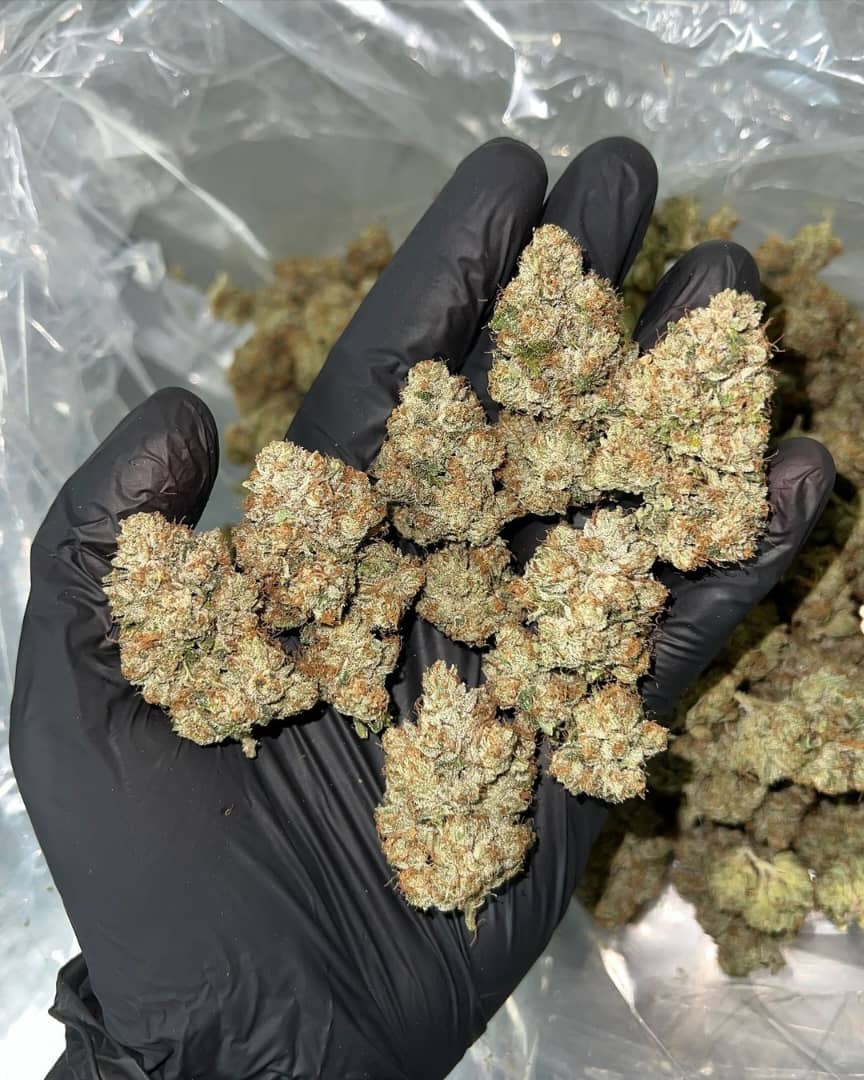
Description
92 OG Strain Guide: Genetics, Effects, Growing Tips & Cultivation Information
Introduction
92 OG Strain is an OG Kush cultivar that has developed a reputation among cannabis enthusiasts for its classic combination of pungent pine, lemon, earth, wood, and spice. Rather than representing an entirely new genetic family, 92 OG is generally described as a selected phenotype of OG Kush, with The Bank Cannabis Genetics associated with its phenohunting and preservation.
That distinction is important for growers. OG genetics have been circulated through clone-only lines, breeding projects, and commercial seed programs for decades, and strain names are not always used consistently between sources.
Modern 92 OG descriptions commonly emphasize its old-school OG character, substantial resin production, strong aroma, and potentially high THC content. Leafly currently lists the cultivar as a hybrid at approximately 21% THC and 1% CBG, with myrcene, limonene, and caryophyllene among its listed terpenes.
This guide examines the documented information surrounding 92 OG genetics, its reported effects and sensory profile, cultivation considerations, and the factors growers should evaluate when selecting authentic, healthy cannabis genetics.
What Is 92 OG Strain?
92 OG, also called 92o or 92 OG Kush, is generally described as an OG Kush phenotype rather than a completely separate multi-parent hybrid.
Leafly identifies it as a hybrid and specifically describes it as an OG Kush cultivar phenohunted by The Bank Cannabis Genetics. GrowDiaries likewise identifies The Bank Genetics as the strain creator and describes 92 OG as a selected OG phenotype.
The cultivar is associated with several recognizable OG characteristics:
- Strong pine-forward aroma
- Lemon and citrus notes
- Earthy and woody depth
- Diesel or fuel undertones
- Noticeable resin production
- Dense, frosty flowers
- Potentially high THC
- Relaxing effects with a cerebral component
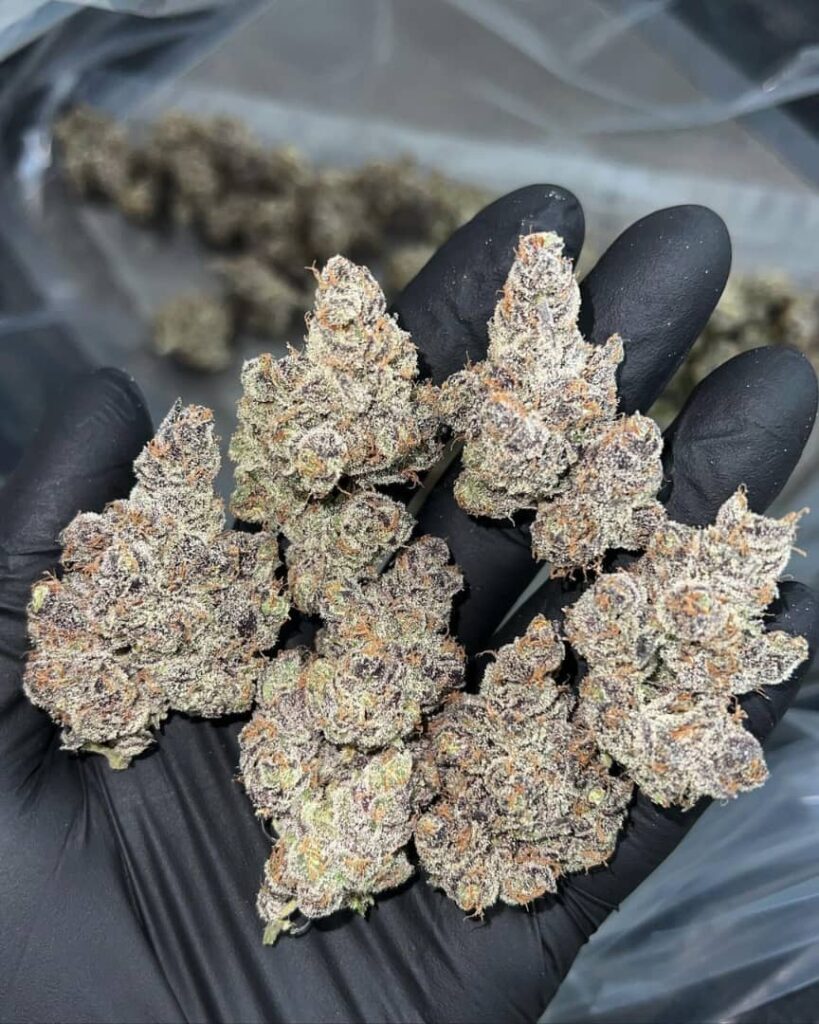
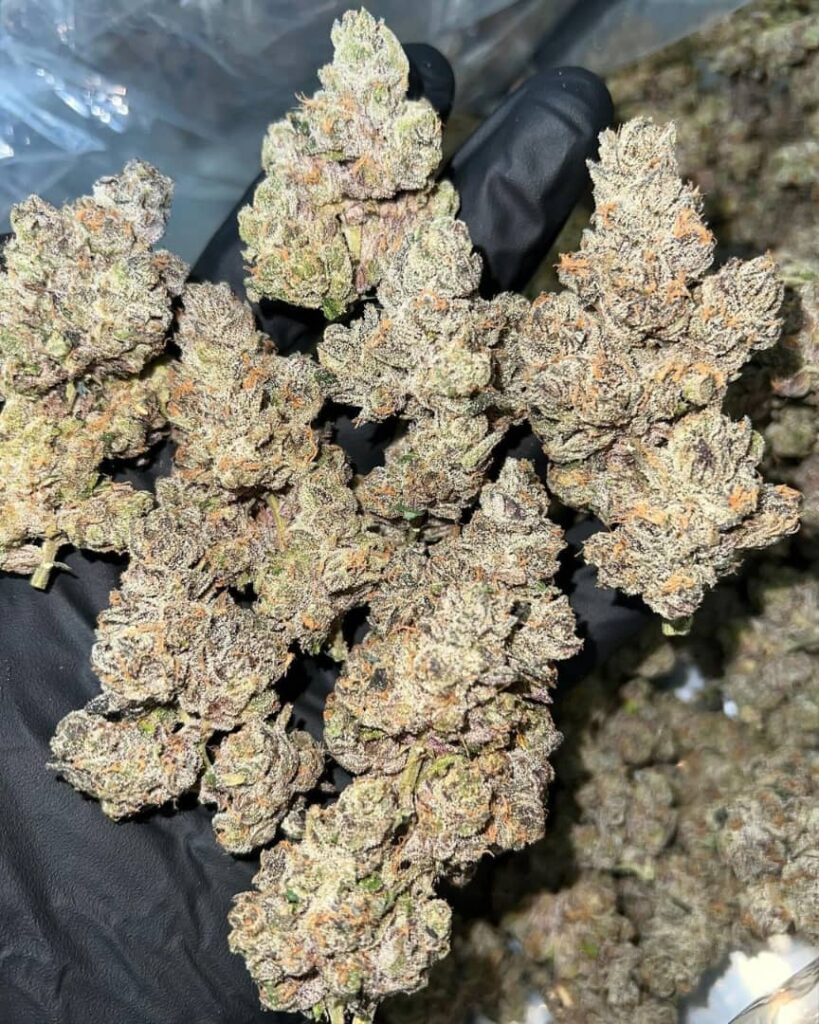
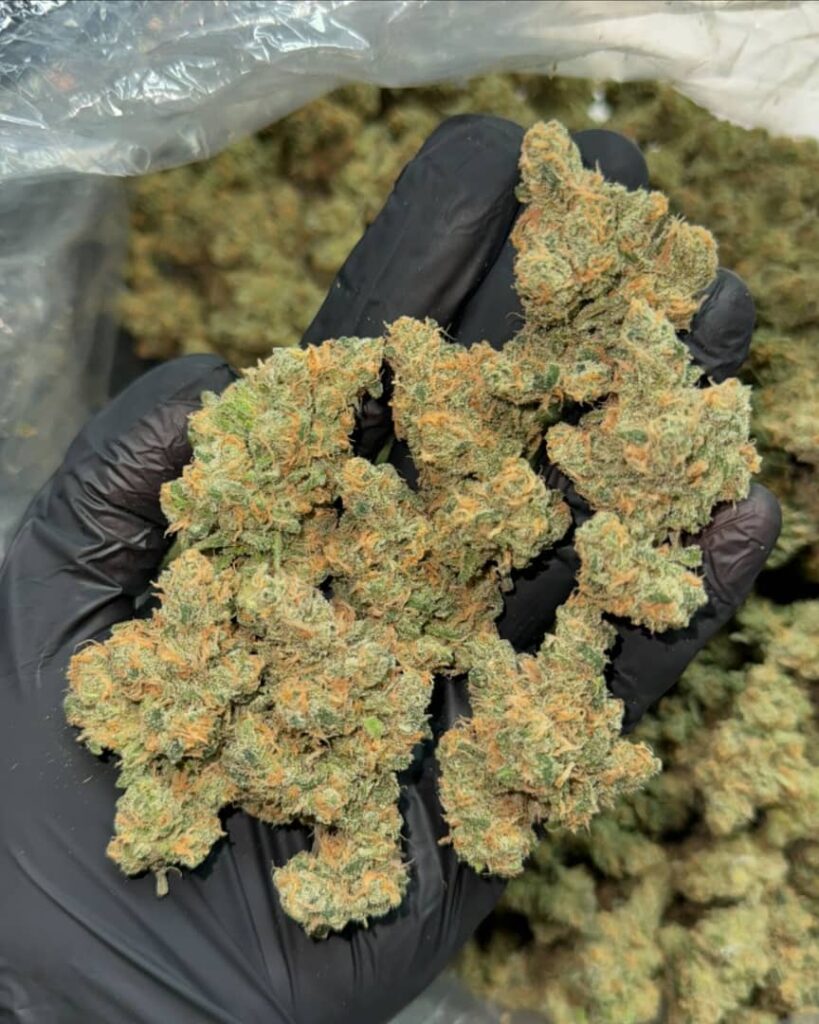
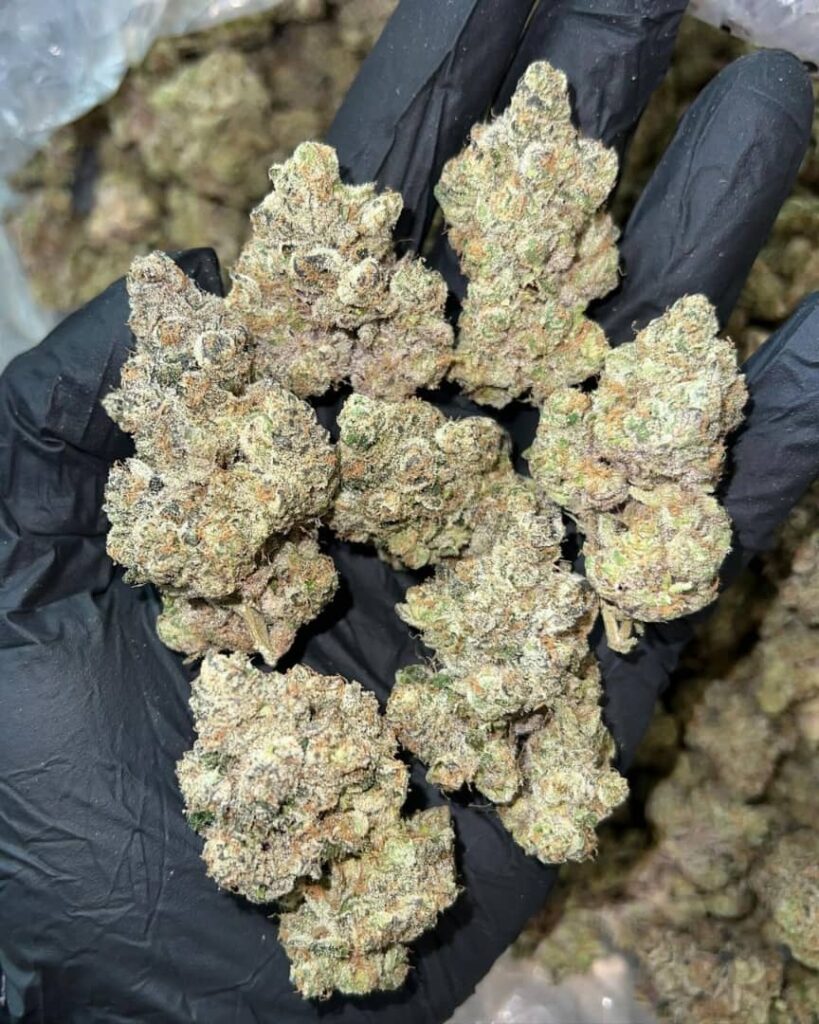
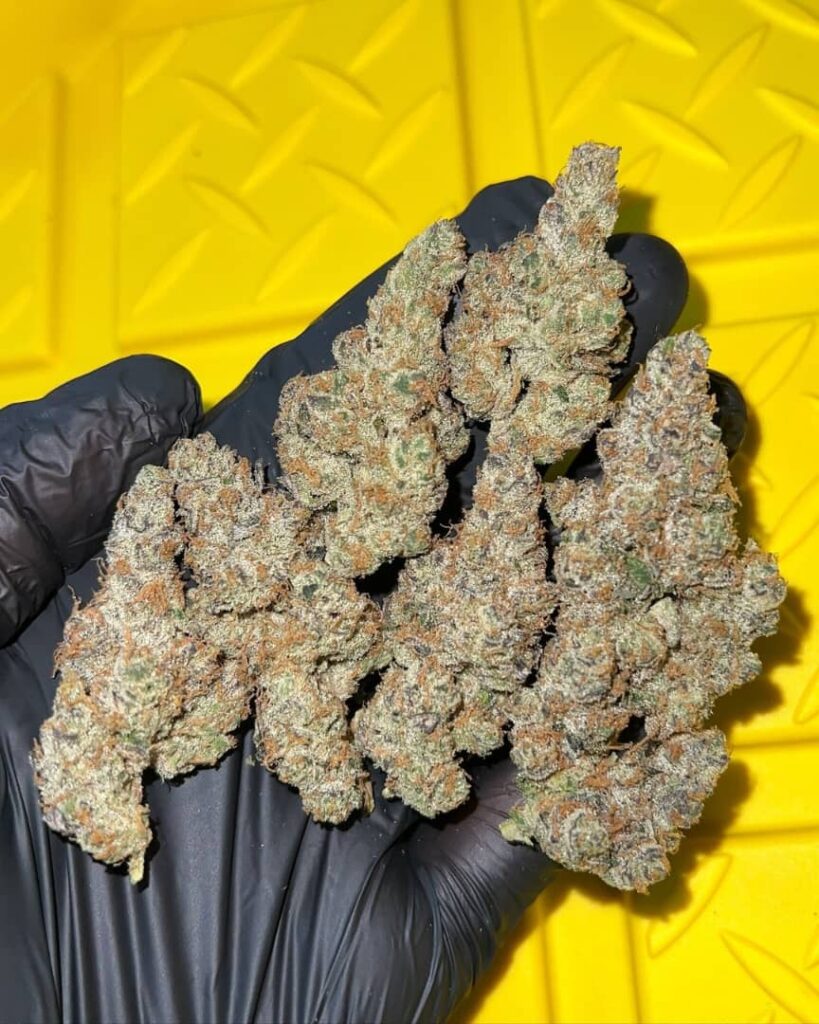
A Grow Sciences review of 92 OG provides an interesting example of how the cultivar has been evaluated by experienced cannabis reviewers. The reviewer described the flower as strongly “old school OG,” highlighting large flowers, heavy trichome production, and prominent orange pistils.
That combination of classic appearance and traditional OG aroma is a major part of 92 OG’s continuing appeal.
92 OG Genetics and Lineage
92 OG and OG Kush
The most consistently supported genetic description is straightforward:
92 OG is a selected phenotype of OG Kush.
Leafly describes 92 OG as an OG Kush cultivar phenohunted by The Bank Cannabis Genetics.
SeedFinder’s OG Kush genealogy also recognizes 92 OG as a clone-only line and shows it being used in subsequent breeding projects, including 92 Blues and Cultazepam.
This provides stronger evidence for 92 OG’s identity than unsupported claims about a precise multi-parent formula.
What about the “1992” story?
Some strain websites state that 92 OG was discovered in or dates back to 1992. One source describes it as a phenotype identified in 1992 because of exceptional characteristics.
However, this historical account should be treated as reported strain history rather than independently established primary-source documentation.
There is also a separate cannabis-community discussion involving a plant called “92 OG” associated with Dark Horse Genetics that explicitly says it was not the same strain created by the seed bank, illustrating how the name can refer to different genetic material in different circles.
For that reason, growers should pay attention to the specific source, clone history, and breeder documentation behind any plant marketed under the 92 OG name.
What Makes 92 OG Genetics Interesting?
The value of a selected OG phenotype is not simply its name.
Phenotype selection can preserve a combination of traits that a breeder considers especially desirable, such as:
- Plant structure
- Flower formation
- Resin production
- Aroma
- Flavor
- Maturation characteristics
- Cannabinoid expression
- Overall vigor
A Grow Sciences review provides anecdotal evidence of particularly strong trichome production and substantial flowers in one 92 OG example.
That does not mean every plant sold under the name will express exactly the same characteristics.
Genetics establish potential; environment and cultivation determine expression.
92 OG Strain Aroma, Flavor and Terpene Profile
The sensory profile is one of the strongest reasons growers and consumers remain interested in 92 OG.
Leafly lists:
- Lemon
- Earthy
- Woody
as its primary flavor categories, while its description emphasizes pungent pine, spice, and wood.
Other commercial descriptions add diesel, fuel, citrus, and sweet notes.
92 OG Aroma
A well-expressed 92 OG profile can be thought of as a classic OG aromatic stack:
Pine + lemon + earth + wood + fuel + spice
The pine and lemon provide the brighter top notes.
Earth, wood, and spice add depth.
Fuel and diesel characteristics can make the aroma considerably more pungent, particularly after the flower is broken apart.
This is very different from modern cultivars whose primary appeal is candy, tropical fruit, or dessert-like sweetness.
92 OG belongs to the classic gas-and-Kush side of cannabis genetics.
92 OG Flavor
The flavor generally follows the aroma.
The initial impression may be lemon and pine, followed by earthy and woody notes.
On the exhale, the profile can become more pungent, with fuel, spice, and traditional Kush character.
Individual batches can differ substantially because terpene expression depends on phenotype, cultivation environment, harvest timing, drying, curing, and storage.
92 OG Terpene Profile
Leafly currently lists:
- Myrcene
- Limonene
- Caryophyllene
among the principal reported terpenes for 92 OG.
These compounds correspond well with the strain’s reported sensory profile.
Myrcene
Myrcene is commonly associated with earthy, herbal, and musky aromas.
Limonene
Limonene contributes a recognizable citrus character that fits the lemon notes repeatedly associated with 92 OG.
Caryophyllene
Caryophyllene contributes spicy and peppery aromatic characteristics and fits the cultivar’s reported spice profile.
Why growers should look at the actual COA
A strain-level terpene profile should never be treated as a permanent chemical fingerprint.
Terpene concentrations can change according to:
- Phenotype
- Growing conditions
- Harvest maturity
- Drying
- Curing
- Storage
If evaluating a specific batch of 92 OG flower, a batch-specific laboratory report is more meaningful than a generic strain database profile.
92 OG Strain THC and Potency
Current Leafly data lists 92 OG at approximately 21% THC and 1% CBG. It characterizes its potency as higher than average.
Other sources report somewhat different figures.
AllBud gives an estimated THC range of 20–23%, while GrowDiaries lists 21% THC and 0.32% CBD for its strain profile.
A specific commercial flower listing from Hazy Hill Farms reported 25.9% THC, demonstrating why a single strain-wide THC number can be misleading.
The practical conclusion
92 OG should reasonably be considered a potentially high-potency cultivar, but there is no universal THC percentage.
The actual laboratory result for the individual harvest is the appropriate reference.
This is especially important for inexperienced consumers because higher-THC cannabis can produce stronger intoxication and unwanted effects in some people.
92 OG Effects
Available effects data is primarily based on consumer reports and strain databases rather than controlled clinical research.
Leafly currently lists:
- Euphoric
- Creative
- Focused
as its leading reported effects.
Individual reviews demonstrate more variation.
One reviewer described an uplifting, giggly, happy experience, while another described an alert, relaxed state. A separate review described a stronger couch-lock and sleepy experience after higher consumption.
This variation is completely normal with cannabis.
Mental Effects
Reported cerebral characteristics include:
- Euphoria
- Creativity
- Focus
- Happiness
- Mental relaxation
The initial experience may therefore be more mentally engaging than the “heavy OG” reputation suggests.
Physical Effects
At higher doses, some users report:
- Deep relaxation
- Physical heaviness
- Sleepiness
- Couch-lock
However, individual response depends on dose, tolerance, THC concentration, consumption method, and other factors.
Overall Experience
A reasonable summary of the available reports is:
92 OG can begin with a euphoric or mentally engaging OG-style experience before developing into a more physically relaxing effect.
That should be treated as a description of reported experiences rather than a guaranteed effect.
Potential Wellness Considerations
Some consumers report choosing 92 OG for relaxation, mood, sleep, or other personal wellness purposes. These are consumer-reported experiences, not established medical indications. Leafly itself notes that its medical-use information comes from readers and is not a substitute for professional medical advice.
Cannabis can impair attention, coordination, reaction time, judgment, and memory. Individual responses can also include dizziness, anxiety, or other unwanted effects.
For that reason, consumers should evaluate the actual THC concentration and their own tolerance rather than relying solely on the strain name.
Why Growers Still Seek Out 92 OG Strain
The continued interest in 92 OG illustrates something important about cannabis genetics:
newer does not always mean better.
The modern cannabis market introduces new cultivars constantly. Many feature elaborate names, exotic flavors, and impressive laboratory numbers.
Yet experienced growers continue returning to legacy OG selections because they know what makes a classic OG valuable.
Classic OG character
The pine, lemon, earth, wood, and fuel combination remains commercially recognizable.
Resin production
Experienced reviews have specifically highlighted substantial trichome coverage in 92 OG flower.
Flower quality
The classic OG structure and resin coverage can provide strong visual appeal when the plant is properly cultivated.
Consumer familiarity
OG Kush is one of the most recognizable genetic families in cannabis. A well-expressed OG cultivar therefore starts with a significant advantage in consumer recognition.
Breeding potential
SeedFinder documents 92 OG appearing in subsequent breeding projects, demonstrating that the genetics have been used as breeding material rather than existing solely as a consumer flower name.
Growing 92 OG Strain: What Cultivators Should Know
The available cultivation data for 92 OG is less standardized than the information available for major commercial seed lines.
GrowDiaries lists an estimated indoor flowering period of 56–70 days and reports estimated yields of 400–500 g/m² indoors and 500–600 g per plant outdoors. However, the same source currently reports zero completed harvests, so those figures should be regarded as estimates rather than independently demonstrated production results.
That distinction is important.
Indoor Growing
92 OG is best approached indoors as a cultivar where environmental consistency and canopy management matter more than chasing maximum production.
Priorities include:
- Strong air circulation
- Stable temperature
- Appropriate humidity
- Consistent lighting
- Adequate root-zone development
- Early canopy management
- Support during late flowering
OG-family plants can become extremely resinous during flower, so airflow around dense flower clusters is especially important.
Outdoor Growing
Outdoor cultivation depends heavily on local climate.
Growers should consider:
- Length of the growing season
- Rainfall during flowering
- Humidity
- Nighttime temperatures
- Sun exposure
- Local pest and disease pressure
A California-associated OG heritage does not automatically mean a plant will perform identically in every climate.
Flowering Time
Available third-party cultivation information places 92 OG broadly around 8–10 weeks, but this should not be treated as a breeder-certified universal flowering period.
The actual finish can depend on phenotype and environmental conditions.
Yield Potential
Third-party estimates suggest respectable yields, but the evidence is not strong enough to promise a fixed production figure.
Growers should evaluate yield in context:
genetics + light + root development + canopy size + environment + training + flowering time = actual production.
Environmental Preferences
A stable environment is more valuable than trying to optimize around an arbitrary strain chart.
Focus on:
- Consistent temperature
- Appropriate humidity
- Strong air movement
- Healthy root systems
- Adequate light intensity
- Clean cultivation practices
Training Techniques
Potential techniques include:
- Topping
- Low-stress training
- Branch positioning
- Trellising
- Selective canopy management
The right technique depends on the phenotype.
If the plant naturally produces a balanced canopy, excessive intervention can create unnecessary stress. If it stretches aggressively, early structural training can improve light distribution and support.
Common Challenges
Potential cultivation concerns include:
- Excessive humidity around dense flowers
- Branch support requirements
- Phenotypic variation
- Environmental stress
- Overfeeding
- Poor airflow
The goal should be to develop a healthy canopy rather than force the plant into an arbitrary production model.
Why Genetics Matter More Than Most Growers Realize
For a serious cultivator, starting material is not simply the first step of the crop.
It is the foundation of the crop.
Two plants carrying the same strain name can perform differently when their genetic provenance is different.
Genetic stability
A well-maintained genetic line gives growers greater confidence that the plants will express recognizable characteristics.
Phenotype consistency
Consistent plant material can simplify:
- Canopy management
- Harvest planning
- Environmental management
- Crop scheduling
Yield predictability
No genetic line can guarantee a particular yield.
But consistent genetics can reduce one major variable in the production equation.
Cannabinoid consistency
THC and other cannabinoid concentrations are influenced by genetics and environment.
Starting with known genetics improves the basis for evaluating cannabinoid performance, although laboratory testing remains necessary for actual batch verification.
Plant health
Genetic quality and plant health are related but not identical.
A genetically desirable clone that arrives weak, poorly rooted, stressed, or contaminated does not provide the same starting advantage as healthy, vigorously established nursery material.
This is why professional cultivation operations pay close attention to provenance, sanitation, vigor, rooting, and handling.
Why Professional Growers Consider Rooted Clones
For cultivators who have already selected a particular genetic line, rooted clones can offer several practical advantages compared with starting an entire crop from seed.
Faster establishment
A properly rooted plant has already passed the earliest stages of development.
Reduced germination uncertainty
There is no need to wait for seed germination before determining which plants successfully establish.
Known phenotype
A clone preserves the genetics of the mother plant rather than introducing the phenotype variation expected from a seed population.
More predictable crop planning
Known plant material can make scheduling easier when consistency matters.
Reduced early-stage variability
For commercial cultivators, uniform starting material can simplify canopy development and environmental management.
This does not mean clones are always superior to seeds.
Seeds remain valuable for breeding, pheno hunting, genetic diversity, and developing new selections.
The right starting material depends on the grower’s objective.
Evaluating 92 OG Plant Material
When researching 92 OG clones or seeds, serious growers should look beyond the label.
Ask:
What is the genetic source?
Can the nursery or breeder explain where the material originated?
Is the phenotype documented?
A specific clone should have a clear identity rather than simply being labeled with a popular strain name.
How healthy is the plant?
Look for:
- Strong root development
- Vigorous new growth
- Healthy foliage
- No obvious signs of pests
- No visible disease symptoms
- Appropriate moisture management
Is the genetics information transparent?
Professional suppliers should be comfortable explaining what is known, what is uncertain, and what is based on breeder or community history.
That transparency is especially important with legacy OG cultivars because names can be duplicated or applied to different cuts.
Wild Leaf Gardens and Cultivation-Grade Genetics
For growers researching premium cannabis clones, the most important consideration should be the quality and provenance of the plant material—not simply the popularity of a strain name.
Wild Leaf Gardens can position its nursery around the principles that serious cultivators actually care about:
- Healthy plant establishment
- Strong root development
- Careful cultivation
- Genetic identity
- Responsible handling
- Clear communication
- Cultivation-focused customer support
Rather than making unsupported promises about yield, THC, disease resistance, or phenotype uniformity, a professional nursery should communicate exactly what it can substantiate about each genetic line.
For a legacy cultivar such as 92 OG, that approach is particularly important.
Genetics should be evaluated on documentation, plant health, phenotype quality, and cultivation performance—not marketing language alone.
Growers researching availability should review Wild Leaf Gardens’ current inventory and nursery information for the most up-to-date information on genetics and plant availability.
Who Is 92 OG Best Suited For?
Commercial cultivators
The OG lineage and recognizable aroma profile may make 92 OG interesting for cultivators targeting consumers who specifically seek traditional OG characteristics.
Commercial growers should prioritize genetic consistency, plant health, production requirements, and verified testing.
Home growers
Experienced home cultivators may appreciate 92 OG because its classic profile provides a useful contrast to modern fruit-heavy cultivars.
OG enthusiasts
This is arguably its most obvious audience.
Growers and consumers who prefer:
pine + lemon + earth + fuel + spice
will find the cultivar particularly interesting.
Premium flower producers
Strong resin production and classic OG bag appeal can make the cultivar attractive for quality-focused flower programs, provided the particular phenotype performs as expected.
Extraction-focused growers
Resin-rich cannabis can be interesting for extraction, but actual extraction performance cannot be guaranteed from the strain name alone.
For processors, resin content, trichome quality, harvest handling, and laboratory data are more meaningful than marketing claims.
Frequently Asked Questions About 92 OG
What strain is 92 OG?
92 OG is generally described as a selected phenotype of OG Kush. Leafly identifies it as a hybrid and associates the phenohunt with The Bank Cannabis Genetics.
What are 92 OG genetics?
The most consistently supported description is OG Kush phenotype/selection. SeedFinder identifies 92 OG as a clone-only line within OG Kush genealogy.
Is 92 OG indica or sativa?
Sources disagree. Leafly classifies it simply as a hybrid, while other databases describe it as sativa-leaning or evenly balanced. Because classification systems are inconsistent, hybrid is the safest broad description.
How strong is 92 OG?
Leafly currently lists approximately 21% THC, while other commercial and database records report products around 20–23% or higher. Individual batches can differ substantially.
What does 92 OG taste like?
Commonly reported characteristics include lemon, pine, earth, wood, spice, and fuel. Leafly specifically lists lemon, earthy, and woody flavors.
What is the 92 OG terpene profile?
Leafly lists myrcene, limonene, and caryophyllene among the principal terpenes. Actual concentrations should be determined from a laboratory report for the specific batch.
Is 92 OG easy to grow?
Available information suggests that it can be manageable for experienced cultivators, but detailed breeder-certified cultivation data is limited. Third-party sources estimate an approximately 56–70-day flowering window.
How long does 92 OG flower?
Third-party cultivation information estimates approximately 56–70 days, although the actual finish depends on phenotype and environment.
Does 92 OG produce good yields?
Third-party sources estimate respectable indoor and outdoor yields, but those figures are not sufficiently verified to be treated as guarantees.
Are clones better than seeds for 92 OG?
Neither is universally better. A rooted clone preserves a known mother phenotype, while seeds provide genetic variation that can be useful for pheno hunting and breeding.
What makes 92 OG different from other OG strains?
Its appeal comes from its selected OG Kush identity and combination of classic pine, lemon, earth, wood, and fuel characteristics. It is also documented as a clone-only line used in later breeding projects.
Why do growers prefer rooted clones?
Rooted clones can provide an already-established plant with known genetics, reducing germination uncertainty and helping growers begin with a more predictable starting point.
Where should growers research 92 OG genetics?
Start with breeder documentation, established strain databases, genealogy records, and nursery information that clearly explains genetic provenance. Because multiple sources use the 92 OG name, growers should verify the specific genetic line rather than relying solely on the cultivar name.
Is 92 OG suitable for beginners?
The plant may be manageable under controlled conditions, but high-THC cannabis and OG-type cultivation require attention to environment, airflow, plant structure, and harvest timing. Beginners should prioritize stable cultivation practices over maximum yield.
Is 92 OG a good choice for OG enthusiasts?
Yes, the cultivar’s documented OG Kush background and reported lemon, pine, earth, wood, and fuel characteristics make it particularly relevant to growers and consumers who prefer traditional OG profiles.
Conclusion
92 OG remains relevant because it represents the qualities that made classic OG genetics important in the first place.
Its documented identity as an OG Kush phenotype, association with The Bank Cannabis Genetics, and presence in subsequent breeding projects give the cultivar a meaningful place within the broader OG family.
Its sensory identity is equally recognizable:
lemon, pine, earth, wood, spice, and fuel.
Current Leafly data places 92 OG around 21% THC, with myrcene, limonene, and caryophyllene among its listed terpenes. Individual commercial products can test considerably differently, reinforcing the importance of batch-specific laboratory results.
For growers, the biggest lesson is that the name 92 OG is only the beginning.
The quality of the genetic source, the identity of the particular phenotype, the health of the starting plant, cultivation environment, and post-harvest handling all influence the final result.
That is why experienced cultivators evaluate genetics carefully before committing valuable time, space, and resources to a crop.
For Wild Leaf Gardens, the strongest long-term approach is to make genetic transparency, plant health, nursery standards, and cultivation knowledge the foundation of its 92 OG content rather than relying on unsupported claims about THC, yield, or guaranteed performance.
For growers researching this classic OG cultivar, the takeaway is simple: start with well-documented genetics, healthy plant material, and realistic cultivation expectations.
Roland –
Really impressed with the 92 OG. The potency is top-notch with that classic OG gas on the backend. Smooth smoke, great flavor, and the effects hit just right. Definitely one I’ll be ordering again.
Coffeecream69 –
I’m a big fan of old-school OG, and the 92 OG didn’t disappoint. Nice classic OG character with a good overall smoke and flavor. Definitely glad I gave this one a try.
Codycantshoot –
Really liked the 92 OG it has that classic OG-style aroma and flavor I was hoping for, with a smooth smoke and a solid overall effect. It’s got that old-school character that’s easy to appreciate without feeling overly hyped.