Description
Durban Poison strain
Durban Poison strain is one of the more consistently documented strains in cannabis, largely because it’s a landrace a plant that developed through natural adaptation in one region rather than through deliberate, modern hybridization. It’s named for Durban, the South African port city near where the original plants were found, and its history is corroborated across multiple independent breeder and seed-bank sources rather than resting on a single account.
THC level for this strain is cited at 26% range. As with all cannabinoid figures, treat any specific percentage as batch- and testing-dependent rather than a fixed property of the strain.
Origin and History
Durban Poison strain is documented as a pure sativa landrace that developed over generations in the hills outside Durban, South Africa, adapting to the region’s warm, coastal climate without hybridization. Its introduction to the international market is unusually well corroborated for a strain of this age: multiple independent sources consistently describe cannabis activist Ed Rosenthal bringing seeds from South Africa to the U.S. in the 1970s, passing them to fellow grower Mel Frank, who in turn shared them with an Amsterdam-based breeder. From there, international breeders worked to preserve the plant’s core genetics while refining its resin output and flowering time.
Because this chain of custody is repeated consistently across independent seed banks and cultivation resources rather than appearing in only one place, it’s reasonable to treat it as reliably documented though it’s worth noting it rests on personal accounts from that era rather than formal breeding records, which is common for landrace strains predating modern documentation standards.
Appearance
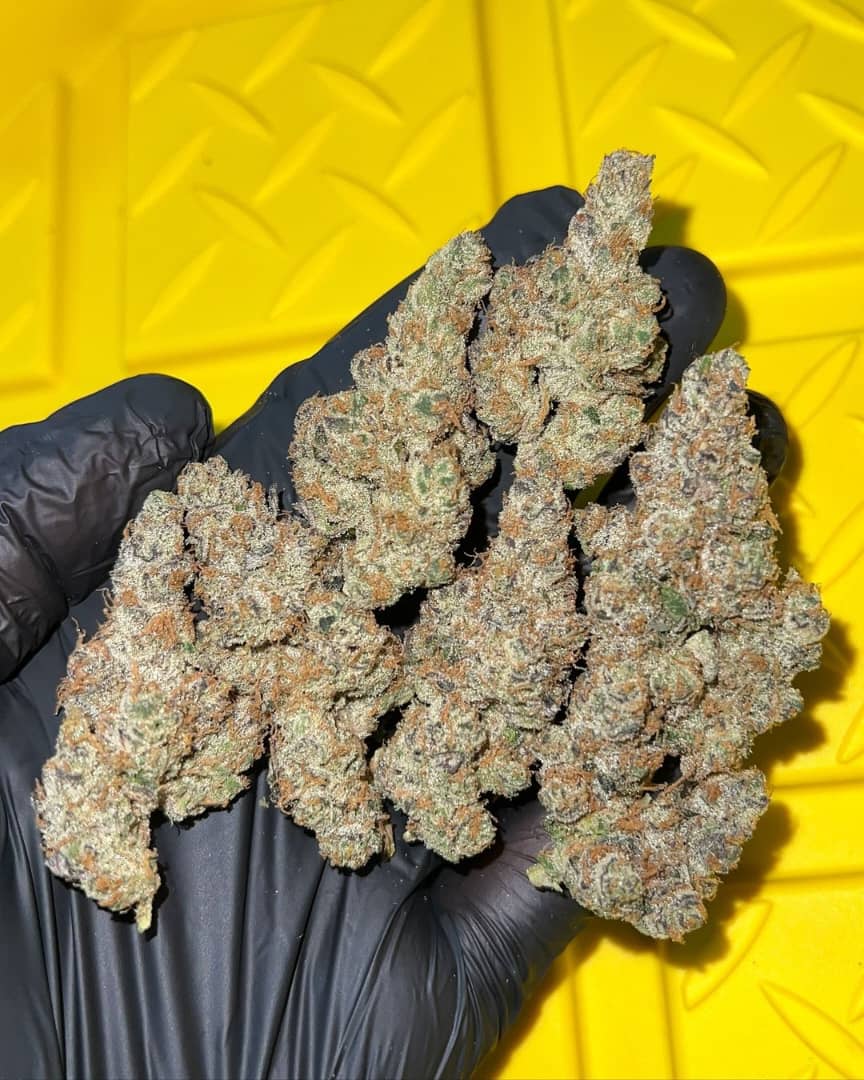
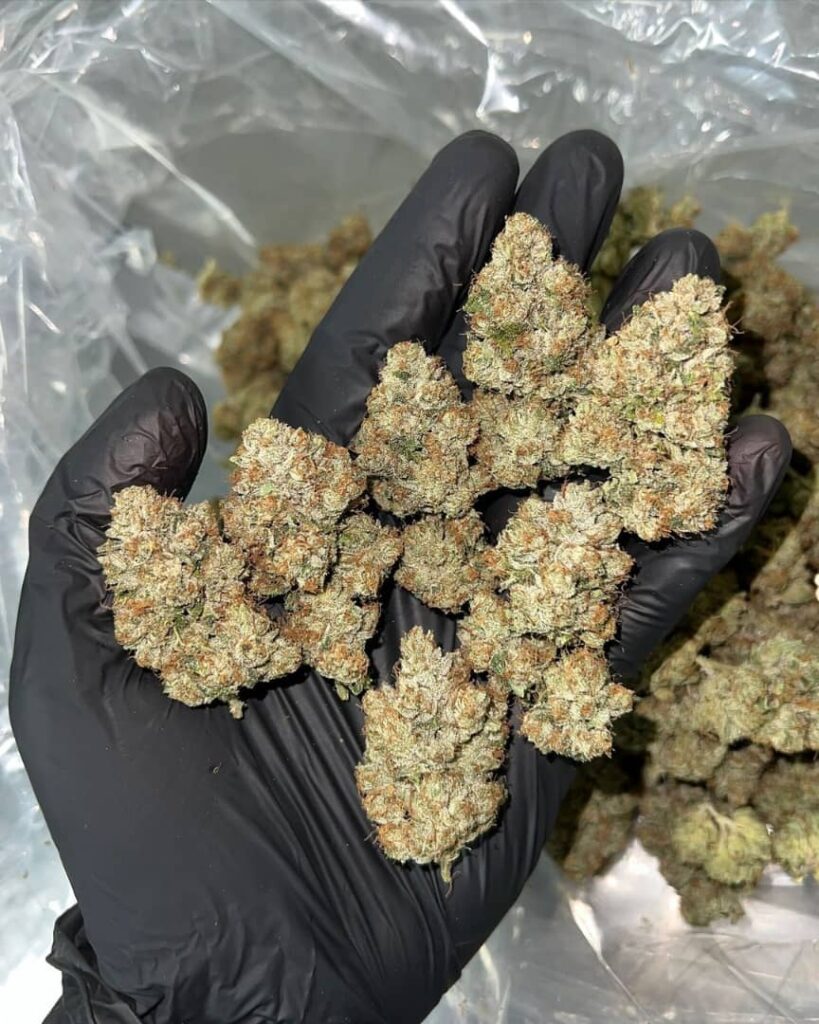
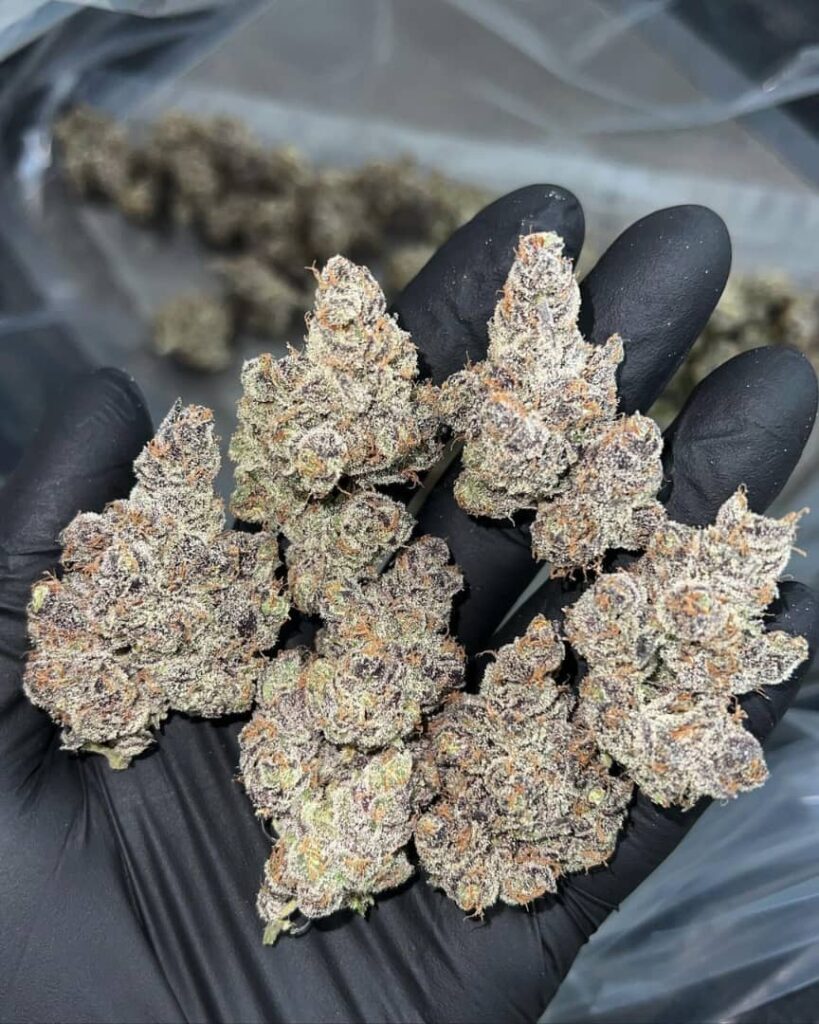
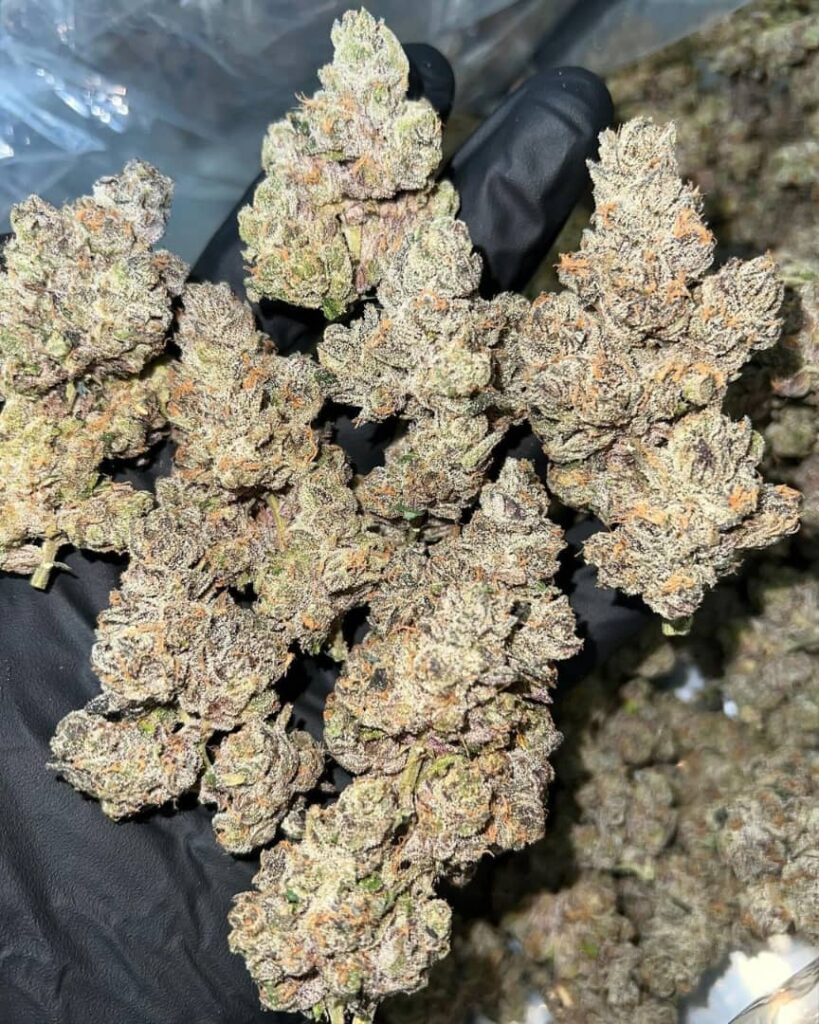
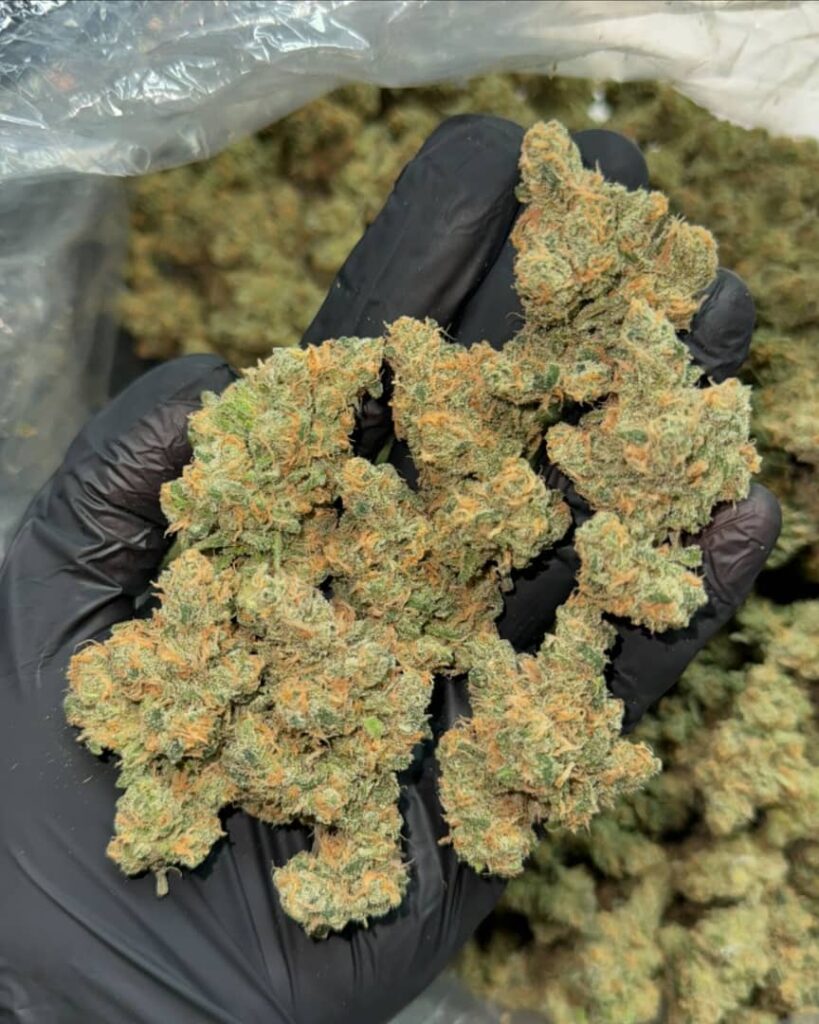
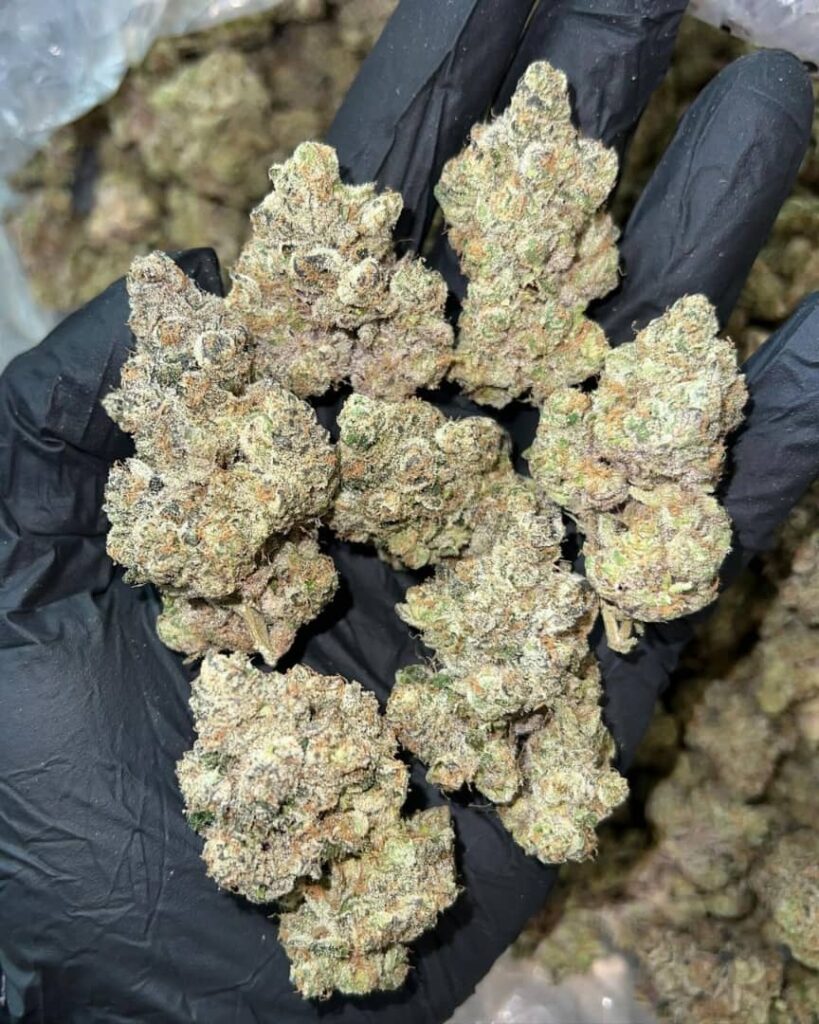
Multiple sources describe Durban Poison as growing tall and lean, consistent with its unhybridized sativa structure often described as having a “Christmas tree” shape with long, narrow leaves. The buds are commonly described as round and chunky rather than elongated, with a loose to moderately dense structure and a heavy coating of oversized, glassy trichomes a trait frequently noted as making the strain popular for concentrate extraction.
Aroma & Flavor
This is one of the more consistently reported characteristics across sources: a sweet, earthy profile with a distinctive anise or licorice-like note that reviewers frequently cite as setting it apart from other sativas. Pine and spice notes are also commonly mentioned as secondary characteristics.
Terpene Profile
Durban Poison is widely reported as terpinolene-dominant, which aligns with its characteristic sweet, herbal, slightly spicy aroma — terpinolene is generally associated with that scent profile across cannabis strains more broadly. Alpha-pinene and myrcene are also commonly cited as present in meaningful amounts by multiple sources. As with cannabinoid content, exact terpene percentages vary by batch, growing conditions, and testing method, and shouldn’t be treated as fixed values.
One additional cannabinoid worth noting: several sources report Durban Poison as having a relatively high THCv (tetrahydrocannabivarin) concentration compared to most strains, commonly cited in the range of roughly 3–5%. THCv is a distinct cannabinoid from THC, and some sources associate it with a shorter, more energizing effect profile though this connection is more commonly discussed in industry and enthusiast sources than confirmed through extensive independent clinical research.
Durban Poison Strain Reported Effects
Reported effects are described consistently across sources as energizing, uplifting, and cerebral a “clear-headed” high associated with focus and creativity rather than sedation, often described as fast-acting. Some sources note this can make the strain a poor fit for users prone to anxiety, since a strong, fast-building cerebral effect can be uncomfortable for sensitive individuals. These are self-reported user and grower experiences rather than clinical findings, and individual response to any cannabis strain varies based on tolerance, dose, and physiology.
Durban Poison strain Growing Characteristics
Growing information for Durban Poison is more consistently documented than for many strains, likely because of its long cultivation history:
- Plant structure: Tall, narrow-leafed sativa growth pattern with a pronounced stretch during early flowering
- Difficulty: Widely described as relatively easy to grow and forgiving, making it a commonly recommended option for less experienced growers
- Climate: Reported to thrive in warm, sunny conditions with lower humidity, consistent with its African origins, and to tolerate heat and dry conditions better than many modern hybrids
- Environment: Suitable for both indoor and outdoor cultivation, per multiple seed-bank sources
Flowering Time & Cultivation Considerations
Flowering time is one of the more consistently cited figures for this strain, with multiple independent seed-bank sources reporting a range of roughly 55–65 days indoors — notably short for a sativa, which several sources attribute to decades of breeder refinement aimed at reducing the plant’s flowering period from its original landrace timeline. Reported yields vary by source and growing method; specific yield figures should be treated as method-dependent rather than a fixed trait, and weren’t treated as reliable enough to state as a fixed number here.
What Makes Durban Poison strain Distinctive?
Durban Poison’s core distinction is that it remains one of the few widely available strains that can still credibly be called an unhybridized landrace, decades into an industry where most strains available today are complex, multi-generation crosses. It’s also frequently cited as foundational breeding stock behind numerous modern hybrids, meaning its genetic influence extends well beyond products sold under its own name.
Frequently Asked Questions
Is Durban Poison an indica, sativa, or hybrid? It’s documented as a pure sativa landrace — not a hybrid. This is one of the more settled classifications in cannabis, corroborated consistently across independent sources.
What are the genetics of Durban Poison? It’s a landrace strain, meaning it developed through natural adaptation in the region around Durban, South Africa, rather than through a deliberate breeder cross. It wasn’t “created” from named parent strains the way most modern hybrids are.
What does Durban Poison smell and taste like? A sweet, earthy profile with a distinctive licorice or anise note, often accompanied by pine and light spice — one of the more consistently agreed-upon characteristics across sources.
What are the reported effects of Durban Poison? Energizing, uplifting, and cerebral effects, commonly described as fast-acting and well suited to daytime use. Some sources note it may not be ideal for users sensitive to anxiety, given the intensity of its cerebral effects.
How long does Durban Poison typically flower? Commonly cited at roughly 55–65 days, notably short for a sativa — a result of decades of breeder work refining the original landrace’s flowering timeline.
What growing characteristics are associated with Durban Poison? Tall, narrow-leafed plant structure with a strong flowering stretch; generally considered easy to grow and forgiving; suited to warm, dry climates but adaptable to both indoor and outdoor cultivation.
El-tacoboi –
I liked the Durban Poison overall. Nice aroma and a solid smoke with a pretty distinct character. It wasn’t quite as strong as I expected, but the quality was good and I’d be happy to try it again.