
Description
Honey Banana Clones: Genetics, Lineage, Terpenes, Phenotype & Cultivation Guide
Honey Banana Clones is distinctive modern cannabis cultivar recognized for its intensely sweet fruit character, unmistakable ripe-banana aroma, resin production, and complex combination of tropical, honeyed, floral, and earthy notes.
The cultivar is most consistently documented as a cross of Strawberry Banana × Honey Boo Boo, with Elemental Seeds associated with its original breeding. Leafly currently lists Honey Bananas, also known as Honey Banana, as a hybrid with reported top effects including giggly, happy, and relaxed, while myrcene, limonene, and caryophyllene are listed among its principal terpenes.
The genetic combination is particularly interesting because each parent contributes a recognizable component to the final profile.
Strawberry Banana brings a tropical, sweet, fruit-forward foundation.
Honey Boo Boo adds additional sweetness, resin potential, and deeper earthy and Kush-associated characteristics.
Together, these genetics produce a cultivar that can express ripe banana, honey, tropical fruit, candy sweetness, earth, spice, floral notes, and subtle gas.
Honey Banana clones has also developed a notable reputation among concentrate and hash enthusiasts. HENDRX describes a Honey Banana clone that came through the Humboldt County community and reports that the cultivar became particularly recognized within the solventless and rosin community.
That history makes Honey Banana especially interesting for growers evaluating genetics beyond simple flower appearance.
For a premium clone, the important questions are not only what the cultivar is called, but which genetic selection is being represented, where the mother plant originated, how the clone was maintained, and whether the plant is healthy and accurately identified.
What Is Honey Banana Strain?
Honey Banana, also called Honey Bananas in some references, is a hybrid cannabis cultivar most consistently documented as:
Strawberry Banana × Honey Boo Boo
The cultivar earns its name from its characteristic aromatic combination.
The banana component is particularly prominent, with descriptions frequently mentioning ripe or overripe banana, tropical fruit, and sweet candy-like aromas.
The honey side of the name reflects another layer of sweetness rather than suggesting that the plant literally contains honey-derived compounds.
Current product descriptions commonly characterize the finished flower as:
- Sweet
- Fruity
- Tropical
- Honeyed
- Banana-forward
- Earthy
- Creamy
- Floral
- Spicy
Cambridge Cannabis Company, for example, describes a Honey Banana profile built around tree fruit, banana, honey, candy sweetness, and earthy pungency.
This combination makes Honey Banana particularly distinctive among fruit-forward modern hybrids.
Honey Banana Genetics & Lineage
The documented lineage is:
Strawberry Banana × Honey Boo Boo
This parentage is supported by Leafly, HENDRX, DNA Genetics, and several current cannabis product references.
Understanding the parents helps explain the cultivar’s unusual aromatic character.
Strawberry Banana
Strawberry Banana contributes much of the tropical fruit identity associated with Honey Banana.
Its genetic influence is commonly expressed through:
- Banana
- Strawberry
- Tropical fruit
- Sweetness
- Resin
- Dessert-like aromas
This gives Honey Banana its fruit-forward foundation.
Honey Boo Boo
Honey Boo Boo provides another layer of sweetness and deeper genetic complexity.
Current DNA Genetics documentation identifies Honey Boo Boo as part of Honey Banana’s parentage and describes the resulting cultivar as mostly indica in some of its breeding material.
The combination gives Honey Banana a particularly broad aromatic range.
Instead of simply smelling like banana, the cultivar can develop a layered profile involving:
Banana → honey → tropical fruit → earth → spice → floral sweetness
That progression is one of the reasons the cultivar has developed a strong following among flavor-focused growers.
Honey Banana Clone History
Honey Banana has a particularly interesting clone history.
HENDRX describes a Honey Banana clone that came to its genetic preservation library through the Humboldt County cultivation community in 2017. According to HENDRX, the clone was maintained privately for several years before being shared more broadly.
That history is significant because it illustrates the difference between a named seed line and a specific selected clone.
When a cultivar becomes known through a particular mother plant, the clone can represent a very specific expression of the genetics.
This can matter considerably with Honey Banana because the cultivar’s reputation is closely tied to:
- Aroma
- Resin production
- Solventless potential
- Fruit expression
- Banana character
- Flower structure
A seed-grown Honey Banana population can contain variation.
A clone taken from an established mother reproduces that specific genetic individual.
For growers interested in preserving a known phenotype, that distinction can be important.
Why Honey Banana Is Known for Flavor
Honey Banana stands out because its aromatic profile is unusually recognizable.
Many modern dessert cultivars combine fruit and sweetness, but Honey Banana is particularly associated with a strong ripe-banana and honey combination.
Leafly lists honey, tree fruit, and sweet among the cultivar’s leading flavors.
Other current product descriptions add:
- Tropical fruit
- Banana
- Vanilla
- Candy
- Earth
- Floral notes
- Spice
Quality Roots, for example, describes Honey Banana with fruity, sweet, tropical, and vanilla characteristics.
This creates a flavor profile that can feel almost dessert-like while retaining enough earth and spice to prevent the cultivar from becoming one-dimensional.
Honey Banana Aroma
The aroma is arguably the defining feature of the cultivar.
The first impression is frequently described as ripe banana.
As the flower is handled or broken apart, additional aromatic layers can emerge.
These can include:
- Honey
- Tropical fruit
- Sweet candy
- Cream
- Floral notes
- Earth
- Spice
- Subtle gas
- Herbal notes
HENDRX describes Honey Banana as a nostalgic, flavorful cultivar and specifically emphasizes its banana-forward aromatic expression.
A current Honey Banana flower profile from Cambridge Cannabis Company similarly describes sweet tree fruit, banana, honey, sugary candy, and earthy pungency.
This combination gives the cultivar an aroma that can be recognized quickly once properly expressed and cured.
Honey Banana Flavor Profile
Honey Banana’s flavor tends to mirror its aroma.
The experience can be understood as several overlapping layers.
Banana
The dominant characteristic is frequently ripe banana.
Depending on phenotype and curing, this can range from fresh banana to overripe fruit or banana-candy notes.
Honey
The honey component contributes a warm sweetness that rounds out the fruit.
Tropical Fruit
Strawberry Banana genetics contribute additional tropical and berry-like dimensions.
Vanilla & Cream
Some commercial profiles describe vanilla and creamy dessert notes, adding softness to the fruit profile.
Earth & Spice
The deeper terpene profile introduces earthy, woody, and spicy characteristics beneath the sweetness.
The result is a flavor profile that can be summarized as:
Ripe banana + honey + tropical fruit + creamy sweetness + earth + spice
Honey Banana Terpene Profile
Current references commonly identify several important terpene families in Honey Banana.
Leafly lists:
- Myrcene
- Limonene
- Caryophyllene
among its leading terpenes.
HENDRX provides a broader terpene list including:
- Limonene
- Myrcene
- Beta-caryophyllene
- Linalool
- Alpha-pinene
- Beta-pinene
- Humulene
- Fenchol
- Terpineol
- Ocimene
- Nerolidol
This broad terpene diversity helps explain the cultivar’s layered sensory character.
Myrcene
Myrcene is commonly associated with earthy, herbal, musky, and fruity aromas.
Its presence fits naturally within Honey Banana’s combination of tropical fruit and deeper earthy characteristics.
Limonene
Limonene contributes citrus-like aromatic qualities.
It can provide brightness beneath the heavier banana and honey notes.
Caryophyllene
Beta-caryophyllene is commonly associated with pepper, spice, and woody aromas.
It provides additional depth and helps balance the cultivar’s sweetness.
Linalool
Linalool is associated with floral and lavender-like aromas.
Its presence can contribute to Honey Banana’s softer floral character.
Pinene
Alpha- and beta-pinene contribute fresh, pine-like and herbal aromatic dimensions.
Although these may not dominate the profile, they can contribute to overall complexity.
Why Terpene Data Varies
Terpene percentages should never be treated as permanent genetic specifications.
Actual expression depends on:
- Phenotype
- Environment
- Harvest maturity
- Drying
- Curing
- Storage
- Laboratory methodology
A particular Honey Banana batch may therefore emphasize banana and honey more strongly than another.
Likewise, a particular phenotype may show greater citrus, floral, earthy, or spicy expression.
For serious growers, the specific mother plant is therefore more informative than a generalized strain chart.
Honey Banana Appearance
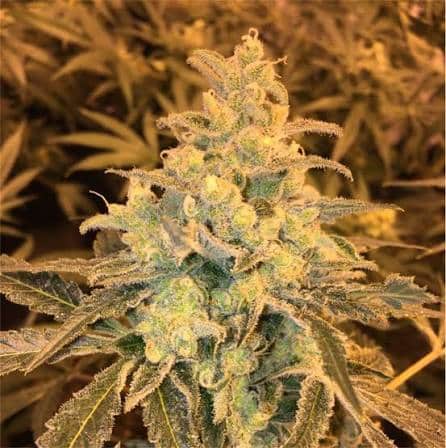
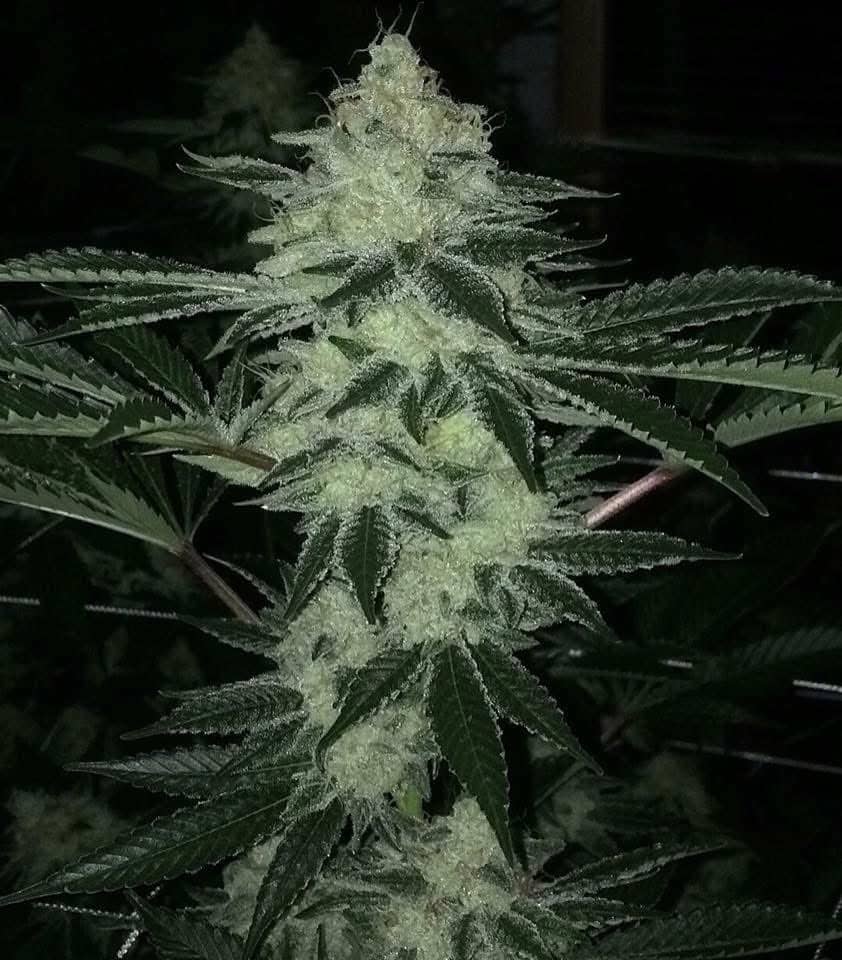
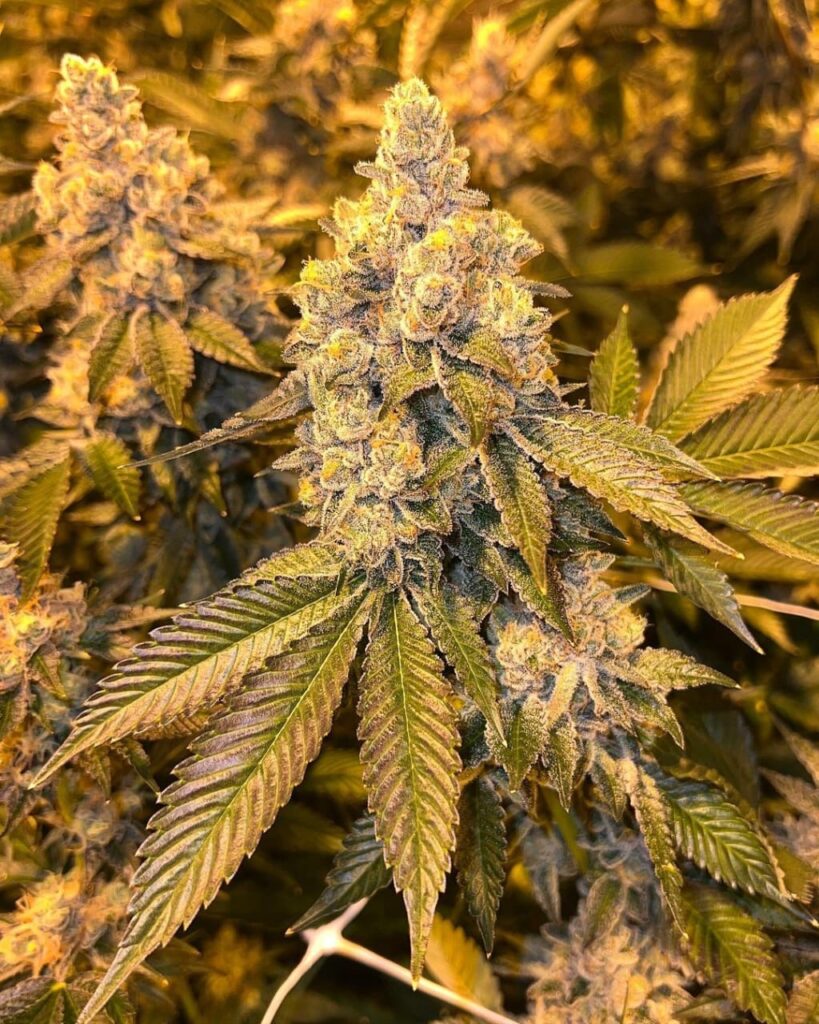
Honey Banana is generally associated with resinous, visually attractive flowers.
Published descriptions emphasize:
- Dense trichome coverage
- Resin production
- Firm flower structure
- Green coloration
- Orange pistils
- Compact to medium-sized flowers
However, appearance can vary significantly between phenotypes.
Environmental conditions can also influence coloration, density, trichome development, and overall structure.
A premium genetic should therefore not be judged solely by how attractive the flower appears.
Plant health, provenance, genetic identity, and cultivation quality are equally important.
Honey Banana Resin Production
Resin production is one of Honey Banana’s most notable characteristics.
HENDRX describes the cultivar as particularly significant within the solventless community and identifies it as a cultivar with strong hash potential.
DNA Genetics has also highlighted Honey Banana’s resin-producing potential in connection with its Honey Banana S1 breeding project. The company describes the S1 as having been selected from an elite Honey Banana phenotype and notes its recognition at the Legends of Hashish 2022 Cup.
These references should be understood as specific breeding and product histories rather than guarantees that every Honey Banana plant will produce identical resin quantities.
Phenotype selection remains important.
Honey Banana Potency
Potency varies considerably across Honey Banana products.
Leafly currently lists approximately 21% THC for its general strain profile.
Other commercial product testing has reported substantially higher values, including a current Quality Roots listing showing approximately 27.2% THC.
These figures demonstrate why a single THC percentage should not be presented as an absolute characteristic of Honey Banana genetics.
Actual cannabinoid concentration depends on:
- Genetics
- Phenotype
- Cultivation conditions
- Harvest timing
- Processing
- Testing laboratory
- Specific batch
For precise potency information, the appropriate reference is a laboratory result for the particular finished product.
Reported Honey Banana Effects
Current consumer and product sources describe Honey Banana effects as generally involving some combination of:
- Giggly
- Happy
- Relaxed
- Euphoric
- Uplifted
- Calm
- Energetic
Leafly currently lists giggly, happy, and relaxed among its leading reported effects.
Community reports show some variation, with individual consumers describing the cultivar as energetic, euphoric, creative, relaxing, or more physically heavy depending on the product and experience.
Other commercial profiles characterize it as more indica-dominant and relaxing. Rhize, for example, describes one Honey Banana flower as approximately 70% indica and emphasizes relaxing, euphoric, and sedative effects.
These differences illustrate why effects should be considered subjective.
Cannabis can affect individuals differently depending on tolerance, physiology, cannabinoid concentration, terpene composition, amount consumed, and consumption method.
Honey Banana Cultivation Characteristics
Available cultivation sources describe Honey Banana as a vigorous cultivar capable of substantial growth.
HENDRX reports a vertical structure, narrow leaves, and relatively long internodal spacing, with indoor harvest estimates of approximately 58–70 days for its preserved clone.
A separate clone reference from Kaprikorn describes a particularly vigorous Honey Banana selection with approximately 11 weeks of flowering and substantial early-flower stretch.
These differences are important.
They demonstrate that flowering duration and structure can vary between selections.
Rather than presenting one number as universally correct, growers should evaluate the specific phenotype.
Honey Banana Growth Structure
The cultivar can display vigorous vegetative development.
Reported characteristics include:
- Strong vertical growth
- Long internodal spacing
- Significant lateral development
- Dense canopy formation
- Strong flower development
- Resin-rich flowering
One current clone reference specifically describes approximately 3× stretch during early flowering and significant lateral expansion.
That is a source-specific observation and should not be assumed to apply to every Honey Banana selection.
However, it reinforces the importance of planning canopy space before flowering.
Indoor Honey Banana Cultivation
Indoor cultivation allows growers to manage the environmental variables that influence Honey Banana’s structure and terpene expression.
Because some selections can stretch substantially, growers should consider canopy management early.
Important considerations include:
Space Planning
Allow enough vertical and lateral room for the specific phenotype.
Canopy Management
Training can help distribute the plant’s growth more evenly.
Airflow
Strong airflow becomes increasingly important as the canopy becomes dense.
Humidity
Appropriate humidity management is particularly important during dense flowering.
Light Distribution
An even canopy can help provide more consistent light exposure throughout the flowering structure.
The goal is not simply maximum size.
The goal is a healthy, well-managed plant capable of expressing its genetic characteristics consistently.
Honey Banana Flowering
Published flowering estimates vary.
HENDRX lists approximately 58–70 days for its preserved Honey Banana clone.
Kaprikorn’s Honey Banana clone reference lists approximately 11 weeks, while describing substantial early-flower stretch.
The difference may reflect:
- Different clones
- Different environments
- Different harvest preferences
- Different cultivation systems
Growers should therefore treat flowering estimates as reference ranges rather than guarantees.
Direct observation of plant maturity remains more reliable.
Honey Banana Clones Outdoor Cultivation
Honey Banana can be grown in outdoor environments where local conditions are appropriate, although exact performance depends heavily on climate.
HENDRX lists an outdoor harvest around mid-October for its preserved clone.
Outdoor growers should consider:
- Seasonal temperature
- Humidity
- Rainfall
- Frost risk
- Wind exposure
- Sunlight
- Flower density
A cultivar’s performance can change substantially when moved between regions.
For that reason, local environmental conditions should always take priority over generic online grow calendars.
Honey Banana Yield Potential
Some commercial cultivation references describe Honey Banana as a productive cultivar.
HENDRX lists moderate yield for its preserved genetic library entry, while other commercial clone references describe the cultivar as heavy yielding.
DNA Genetics reports higher yield figures for its separate Honey Banana S1 breeding line, but those numbers should not automatically be applied to the original Honey Banana clone.
This distinction is important.
Honey Banana and Honey Banana S1 are not interchangeable.
A seed line derived from an elite phenotype can perform differently from the original clone.
Honey Banana S1 vs. Honey Banana
Honey Banana S1 deserves a separate mention because it has become an important part of the cultivar’s modern breeding history.
DNA Genetics describes Honey Banana S1 as the result of self-pollinating an elite Honey Banana phenotype. The company associates the selected phenotype with the Legends of Hashish 2022 Cup and describes the S1 as a resin-focused breeding line.
An S1 should not automatically be considered genetically identical to the original clone.
The S1 represents offspring produced through self-pollination.
The original Honey Banana clone represents the selected mother itself.
That distinction matters when discussing provenance and phenotype preservation.
Why Honey Banana Clones Are Interesting
Honey Banana Clones are particularly interesting because its identity is closely tied to specific genetic selections.
A clone allows a grower to work with an established phenotype rather than starting from an entire seed population.
Potential benefits include:
- More predictable structure
- Known aromatic characteristics
- Established flowering behavior
- Consistent genetic identity
- Faster establishment than starting a seed population
- Preservation of selected mother-plant traits
However, these benefits depend on the quality and authenticity of the clone.
A plant should never be considered premium simply because it carries a desirable cultivar name.
Evaluating Honey Banana Clone Quality
When evaluating a Honey Banana clones, growers should look beyond the label.
Root Development
A healthy rooted clone should have an established root system appropriate to its stage of propagation.
Foliage
Look for:
- Healthy color
- Active new growth
- Appropriate leaf development
- No obvious signs of severe stress
Stem Strength
Strong stems and active branching can indicate healthy vegetative development.
Plant Structure
The actual plant structure provides useful information about the specific phenotype.
Genetic Provenance
The source of the mother plant should be understood whenever possible.
This is particularly relevant with Honey Banana because several seed lines, S1 selections, clone selections, and later crosses are now circulating under similar names.
Why Genetics Matter
A cultivation program ultimately begins with its genetic foundation.
Environment, lighting, irrigation, nutrition, and cultivation skill all influence the final result, but genetics determine much of the plant’s underlying potential.
With Honey Banana, genetics can influence:
- Banana intensity
- Honey sweetness
- Resin production
- Flower structure
- Stretch
- Branching
- Terpene expression
- Flowering duration
- Cannabinoid potential
A well-maintained clone can therefore provide greater predictability than an unidentified seed-derived plant.
Provenance Matters With Honey Banana
Honey Banana is now associated with several different forms of genetic material.
There is the original Honey Banana cultivar associated with Strawberry Banana × Honey Boo Boo.
There is also Honey Banana S1, produced through self-pollination of an elite phenotype.
There are subsequently bred Honey Banana crosses, including lines where Honey Banana is used as a parent.
And there are different clone selections maintained by different growers.
That means the term “Honey Banana” should ideally be accompanied by information identifying the specific source or cut.
For serious genetic preservation, documentation should include:
Cultivar: Honey Banana
Lineage: Strawberry Banana × Honey Boo Boo
Selection: Specific mother/cut where applicable
Source: Documented genetic origin
Propagation: Established nursery practices
This provides considerably more useful information than the cultivar name alone.
Honey Banana Clones at Wild Leaf Gardens
At Wild Leaf Gardens, premium genetics should be evaluated around the fundamentals that matter to serious growers:
Genetic identity.
Plant health.
Phenotype consistency.
Responsible propagation.
Transparent documentation.
Honey Banana is particularly suited to this genetics-first approach because the cultivar has a substantial history involving specific clone selections, resin-focused breeding, and later S1 development.
The original Honey Banana genetic should not be confused with Honey Banana S1 or other Honey Banana crosses.
Likewise, a healthy clone should not be considered authentic solely because it carries the Honey Banana name.
The strongest genetic programs begin with clearly identified, healthy plant material and realistic expectations about phenotype variation.
Who May Appreciate Honey Banana Genetics?
Honey Banana may appeal particularly to growers interested in:
- Fruit-forward cultivars
- Banana-dominant aromas
- Sweet dessert genetics
- Honey and tropical profiles
- Resin production
- Solventless-oriented genetics
- Flavor-focused breeding
- Modern hybrid cultivars
Its combination of fruit, honey, floral, citrus, earth, and spice gives it a considerably broader profile than the name alone suggests.
For growers building a diverse genetic collection, it represents a useful example of how fruit-forward genetics can also express substantial resin and structural characteristics.
Honey Banana Clones for Flavor-Focused Genetic Collections
Some cultivars are primarily recognized for potency.
Others become known for structure.
Honey Banana clones occupies an interesting position because its identity is strongly connected to flavor and resin.
The banana profile is distinctive enough to make the cultivar immediately recognizable when properly expressed.
The honey and tropical notes add sweetness.
The earthy and spicy characteristics provide depth.
The resin component makes the cultivar especially interesting to those studying solventless-oriented genetics.
This combination gives Honey Banana a place within collections focused on terpene diversity rather than simply chasing the highest THC number.
Frequently Asked Questions About Honey Banana
What is Honey Banana Strain?
Honey Banana, also called Honey Bananas, is a hybrid cannabis cultivar most consistently documented as Strawberry Banana × Honey Boo Boo. It is associated with Elemental Seeds.
What are the genetics of Honey Banana?
The documented lineage is Strawberry Banana × Honey Boo Boo.
Who bred Honey Banana?
Current references associate the original Honey Banana with Elemental Seeds.
What does Honey Banana smell like?
Honey Banana is commonly described as strongly banana-forward, with honey, tropical fruit, candy sweetness, earth, floral notes, and spice.
What are the main Honey Banana terpenes?
Leafly lists myrcene, limonene, and caryophyllene among its leading terpenes. HENDRX reports a broader profile that also includes linalool, pinene, humulene, and other compounds.
What THC level does Honey Banana have?
Published figures vary. Leafly lists approximately 21% THC, while individual commercial products can test considerably higher. THC should therefore be verified using batch-specific laboratory results.
Is Honey Banana indica or sativa?
Classification varies by source and selection. Leafly currently classifies Honey Bananas as a hybrid, while some current product sources describe particular selections as indica-dominant.
How long does Honey Banana take to flower?
Published estimates vary. HENDRX reports approximately 58–70 days for its preserved clone, while another clone source lists approximately 11 weeks.
Does Honey Banana produce a lot of resin?
Honey Banana has a strong reputation for resin production, particularly within solventless and hash-focused cultivation circles. HENDRX specifically highlights its hash-oriented reputation.
What is Honey Banana S1?
Honey Banana S1 is a selfed breeding line derived from an elite Honey Banana phenotype. DNA Genetics describes its S1 as the result of self-pollinating a selected Honey Banana plant.
Is Honey Banana S1 the same as the original Honey Banana clone?
No. The S1 is offspring generated through self-pollination, while the original clone is the selected mother itself.
Why are Honey Banana clones interesting?
Clones preserve the genetics of a particular mother plant, allowing growers to work with an established phenotype rather than selecting from a new seed population.
Can Honey Banana phenotypes differ?
Yes. Individual plants and selections can vary in structure, flowering behavior, aroma, resin production, and cannabinoid expression.
What makes Honey Banana distinctive?
Its strongest defining characteristic is the combination of intense ripe-banana aroma with honeyed sweetness, tropical fruit, floral notes, earth, and spice.
Is Honey Banana suitable for solventless-focused cultivation?
The cultivar has a notable reputation for resin and hash production, although actual extraction performance depends on the specific phenotype and cultivation conditions.
Final Perspective
Honey Banana is a cultivar defined by flavor, resin, and genetic character.
Its documented Strawberry Banana × Honey Boo Boo lineage brings together tropical fruit, banana sweetness, honeyed depth, earth, and modern hybrid resin characteristics.
The cultivar’s clone history adds another important dimension.
Specific Honey Banana selections have circulated through California’s cultivation and solventless communities, and some selected phenotypes have subsequently been used to create new breeding lines such as Honey Banana S1.
For growers, this makes provenance particularly valuable.
Premium Honey Banana clones should be understood not simply as a plant carrying a popular name, but as a specific genetic individual with a known source, healthy root development, appropriate vegetative condition, and documented identity.
The cultivar’s most compelling characteristics are its unmistakable banana expression, honeyed sweetness, tropical fruit complexity, broad terpene profile, and reputation for resin production.
For a genetics-focused cultivation program, Honey Banana offers something increasingly valuable: a recognizable sensory identity backed by a documented genetic foundation and a history of phenotype selection.
Anthonysal03 –
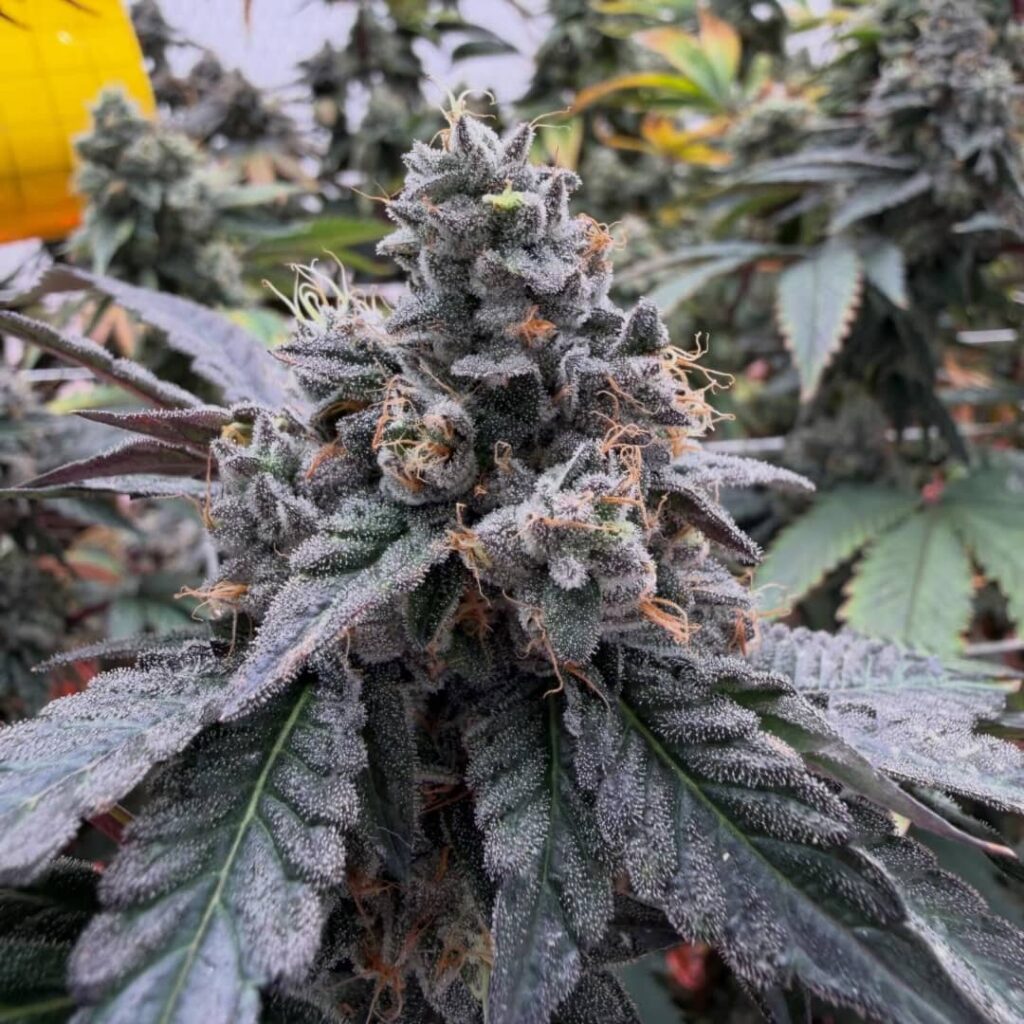
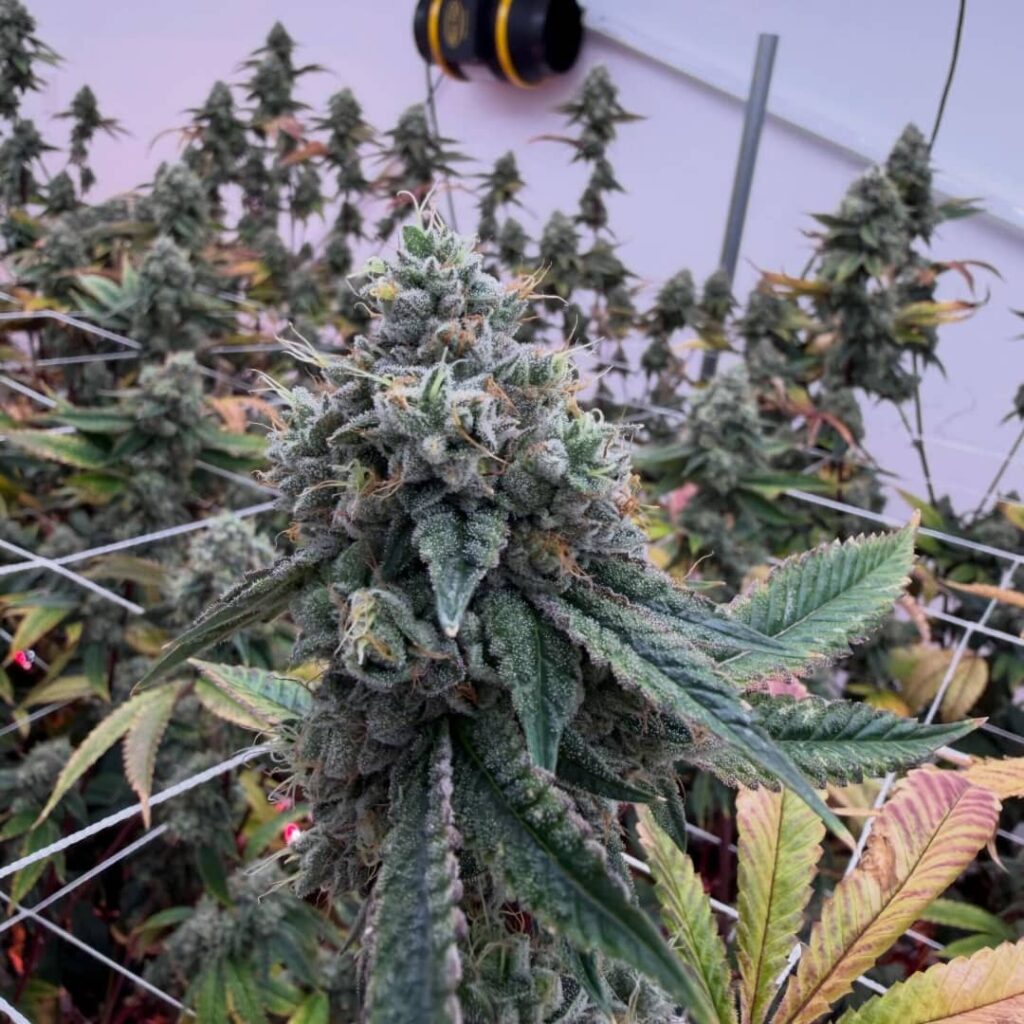
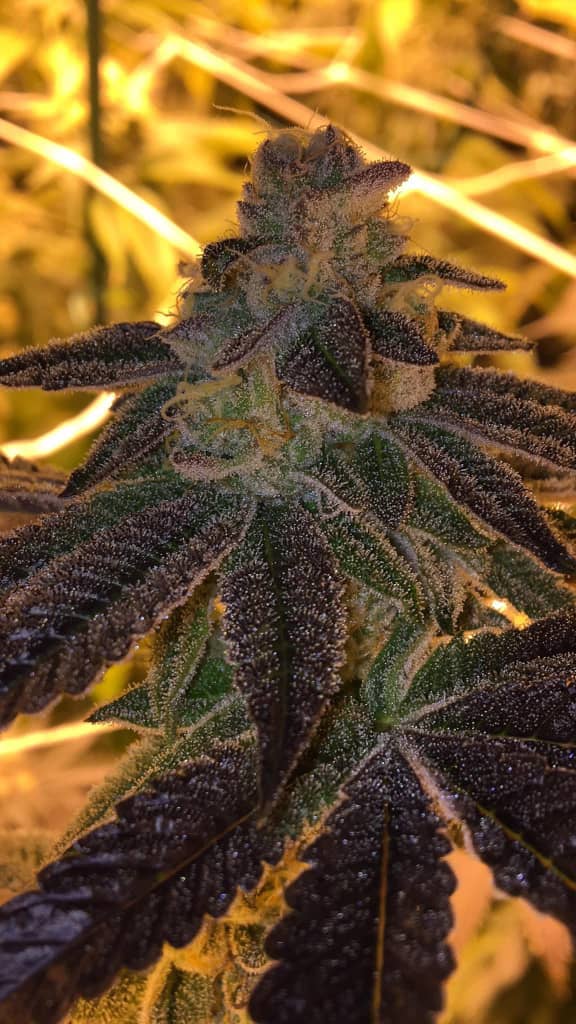
The Honey Banana clone came in healthier than I expected, which was a nice surprise since I’d been wanting to try it after hearing so much hype. It looked good on arrival and settled in better than I expected. Now I’m just looking forward to seeing how it performs.