
Description
Apple Fritter Strain Guide: Genetics, Effects, Growing Tips & Premium Clones
Apple Fritter Strain has become one of the most recognizable modern cannabis cultivars because it combines a distinctive dessert-style aroma with the genetic influence of two established lines: Animal Cookies and Sour Apple. Developed by Lumpy’s Flowers in Northern California, Apple Fritter built its reputation through a combination of recognizable flavor, strong resin expression, attractive flowers, and broad consumer interest.
Unlike cultivars that become popular briefly and disappear as trends change, Apple Fritter has remained relevant because its identity is unusually easy to recognize. The combination of sweet baked apple, creamy bakery notes, spice, earth, and diesel gives the cultivar a profile that stands apart from many fruit-forward varieties. Lumpy’s own description emphasizes baked apple, creamy vanilla, cinnamon, earth, and diesel.
For growers evaluating Apple Fritter genetics, however, the name alone is not enough. Genetic provenance, phenotype selection, plant health, and the quality of starting material can all influence the final crop. That is particularly important when comparing original or verified genetics with seed lines or reproductions that may carry the same name.
What Is Apple Fritter Strain?
Apple Fritter, also known as Apple Fritters, is generally classified as a hybrid cannabis cultivar. Its widely documented parentage is Animal Cookies × Sour Apple, with Lumpy’s Flowers credited as the originator. Lumpy’s current strain page specifically lists “Animal Cookies x Sour Apple ‘Indica’” as its lineage.
Leafly similarly lists Apple Fritter as a hybrid and identifies Animal Cookies and Sour Apple as its parents. Its current profile reports approximately 24% THC for the database profile, while emphasizing that potency can vary between samples.
The cultivar became especially notable because it sits at the intersection of several highly desirable characteristics:
- Strong cultivar recognition
- Distinctive apple-and-bakery aroma
- Cookies-family influence
- Dense, resin-rich flowers
- Complex terpene expression
- Broad consumer familiarity
- Strong breeding value
- Long-term market relevance
Leafly’s coverage has described Apple Fritter Strain as a Northern California cultivar that moved from the medical-cannabis era into widespread adult-use recognition. By 2023, Leafly listed Apple Fritter among the country’s best-selling strains.
That progression is important. Apple Fritter did not become notable simply because of marketing. Its reputation developed through repeated exposure to growers and consumers who recognized the cultivar’s combination of flavor, appearance, and effects.
Apple Fritter Genetics and Lineage
Sour Apple Influence
One half of Apple Fritter’s genetic foundation is Sour Apple.
The Sour Apple side contributes to the cultivar’s fruit-forward identity and helps explain why the finished flower can express tart, acidic, and apple-like characteristics alongside more savory and fuel-oriented notes.
Leafly’s historical coverage describes Sour Apple as having Diesel ancestry and identifies Apple Fritter as a combination of Sour Apple and Animal Cookies.
This background helps explain the unusual contrast found in Apple Fritter:
fruit + bakery + fuel + earth.
Instead of producing a straightforward sweet-fruit profile, the cultivar combines fruit characteristics with heavier Cookies and Diesel-associated notes.
Animal Cookies Influence
Animal Cookies contributes the other half of the genetic equation.
Animal Cookies belongs to the broader Cookies family and is associated with the dense, resinous, dessert-oriented characteristics that helped make Cookies-derived cultivars so influential in modern cannabis breeding.
Leafly’s historical coverage describes Apple Fritter as combining Sour Apple with Animal Cookies and characterizes the resulting cultivar as a meeting point between Diesel-derived fruit character and the heavier Cookies side.
This combination is one reason Apple Fritter has become useful in breeding programs. Rather than relying on a single dominant aromatic direction, it brings several commercially recognizable traits together in one genetic package.
Why Apple Fritter Became a Breeding Favorite
Apple Fritter’s importance extends beyond the cultivar itself.
Its recognizable profile has been incorporated into subsequent breeding projects. Leafly has documented multiple Apple Fritter descendants and related projects from breeders working with the cultivar, including Fritter Licker, Grapple Pie, Apple Jax, Turnover, and other Fritter-based crosses.
That is a useful indicator of breeding value.
A cultivar that repeatedly appears in breeding programs is not simply popular with consumers; it becomes part of the genetic vocabulary of breeders.
Apple Fritter offers breeders a combination of:
- Fruit character
- Cookies influence
- Resin expression
- Recognizable aroma
- Strong visual appeal
- Established consumer recognition
Is Apple Fritter Clone-Only?
This point deserves some clarification.
Apple Fritter is strongly associated with an original Lumpy’s selection and is often discussed within the cannabis community as a clone-based cultivar. At the same time, numerous seed companies and commercial sellers now offer seed versions labeled Apple Fritter.
Those seed products should not automatically be assumed to be genetically identical to the original Lumpy’s selection.
This distinction is important.
A seed reproduction can carry Apple Fritter ancestry without being the same individual plant or phenotype that originally established the cultivar’s reputation.
For growers seeking consistency, provenance matters more than the name printed on a label.
Why Apple Fritter Became a Modern Cannabis Icon
Apple Fritter illustrates an important principle in cannabis cultivation:
Recognizable genetics can outlast trends.
The cultivar first emerged during California’s medical-cannabis era and gradually expanded into national recognition. Leafly’s 2022 coverage described Apple Fritter as continuing to gain popularity years after its original development, while its 2023 best-selling-strains coverage placed it among the country’s leading cultivars.
That kind of longevity is difficult to manufacture.
Many cultivars generate short-term attention because of novelty, social-media exposure, or limited releases. Proven cultivars survive for a different reason: growers and consumers know what characteristics to look for.
Apple Fritter has several of those characteristics.
The name immediately suggests the aromatic direction. The flowers are commonly associated with dense structure and visible resin. The flavor combines recognizable fruit and bakery notes with earth, spice, and fuel.
For cultivation programs, that recognition has practical value.
A proven cultivar can provide a clearer target for:
- Mother-plant selection
- Phenotype evaluation
- Crop planning
- Quality-control standards
- Post-harvest evaluation
- Product differentiation
- Breeding projects
The lesson is broader than Apple Fritter itself. Genetics that remain recognizable over time can become valuable cultivation assets.
Apple Fritter Aroma, Flavor & Terpene Profile
Aroma
Apple Fritter’s aroma is one of its defining characteristics.
Lumpy’s Flowers describes the cultivar using sweet baked apple, creamy vanilla, warm cinnamon, earthy notes, and diesel.
Other published descriptions and consumer profiles commonly mention:
- Baked apple
- Pastry
- Sweet dough
- Vanilla
- Cinnamon
- Earth
- Diesel
- Cheese
- Butter
- Spice
Leafly currently lists apple, butter, and cheese among Apple Fritter’s top flavor descriptors.
The combination is what makes the cultivar distinctive.
It does not simply smell fruity.
Instead, the fruit sits over a deeper bakery and fuel foundation.
Flavor
Apple Fritter flavor is commonly described as sweet, creamy, earthy, and pastry-like.
The most recognizable combination is:
tart apple + sweet dough + creamy bakery notes + spice + earth + fuel.
That layered profile helps explain the cultivar’s continued popularity among consumers who prefer dessert-style cannabis.
It also illustrates why terpene composition should be considered alongside genetics. Two plants carrying similar ancestry can express noticeably different aromas depending on phenotype, environment, harvest timing, drying, curing, and post-harvest handling.
Apple Fritter Terpene Profile
Leafly currently lists caryophyllene, limonene, and pinene among Apple Fritter’s primary listed terpenes.
Leafly’s dedicated 2022 Apple Fritter feature likewise highlighted caryophyllene alongside limonene and pinene when discussing laboratory samples.
These compounds are associated with different aromatic characteristics:
Caryophyllene can contribute peppery, spicy, and woody notes.
Limonene is commonly associated with bright citrus-like aromatic characteristics.
Pinene can contribute pine-like and fresh botanical notes.
The important qualification is that there is no single universal Apple Fritter terpene percentage.
Terpene expression varies according to:
- Phenotype
- Growing environment
- Nutrient management
- Light intensity
- Harvest timing
- Drying conditions
- Curing
- Storage
For that reason, growers should treat published terpene profiles as representative information rather than a guaranteed chemical specification.
Apple Fritter Effects
Apple Fritter’s effects are primarily documented through consumer reports and product-specific testing rather than a universal pharmacological profile.
Leafly currently lists tingly, relaxed, and giggly among its top reported effects.
Commonly reported experiences include:
Mental Effects
Consumers frequently describe Apple Fritter as producing a combination of euphoria, mental stimulation, and relaxation.
Some users describe a lively or giggly beginning, while others report a progressively heavier experience.
Physical Effects
Relaxation and physical heaviness are also commonly reported.
The balance between mental stimulation and physical relaxation is one reason the cultivar is frequently categorized as a hybrid rather than fitting neatly into a purely stimulating or purely sedating category.
Overall Experience
Reported effects include:
- Relaxation
- Euphoria
- Gigginess
- Tingly sensations
- Calmness
- Mental uplift
These are consumer-reported experiences, not guaranteed effects and not medical claims.
Individual responses can vary significantly depending on cannabinoid concentration, terpene expression, tolerance, consumption method, and other factors.
Why Growers Continue Choosing Apple Fritter
Apple Fritter remains attractive to growers because it offers more than a memorable name.
Consumer Recognition
The cultivar has already established significant recognition.
That means growers working in markets where Apple Fritter is legally cultivated can benefit from consumers already understanding what the name represents.
Bag Appeal
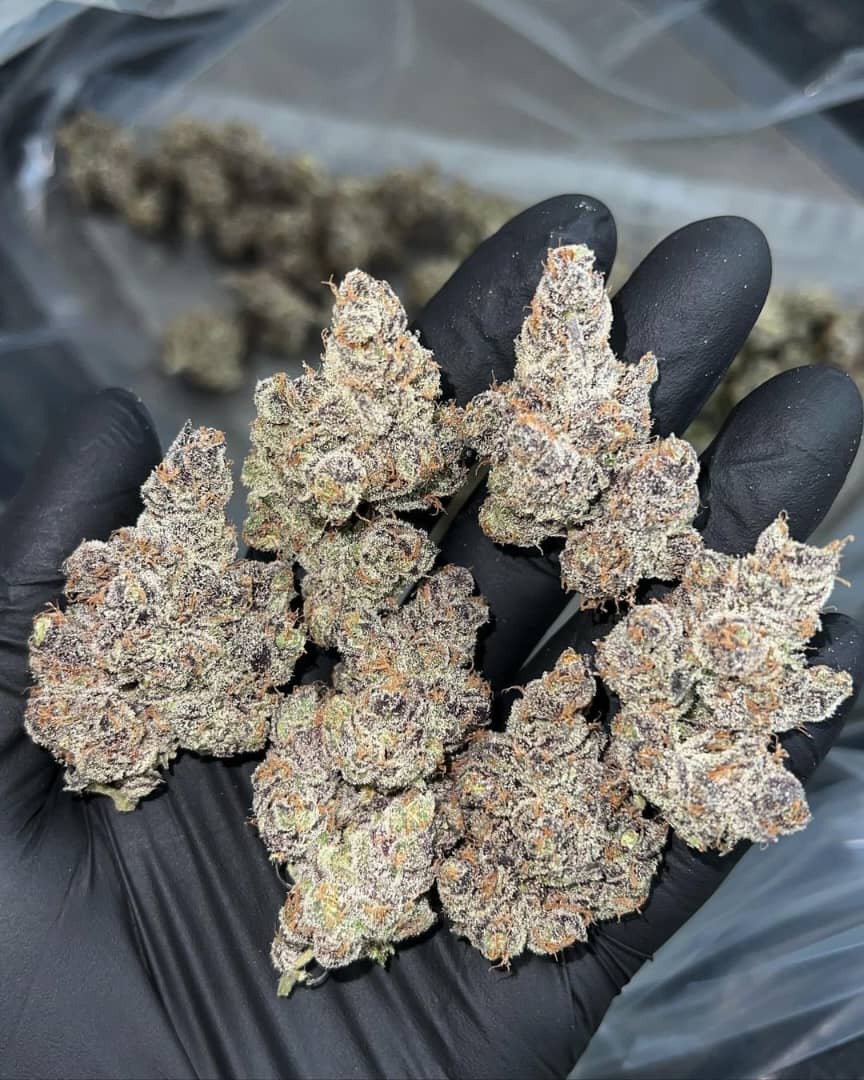
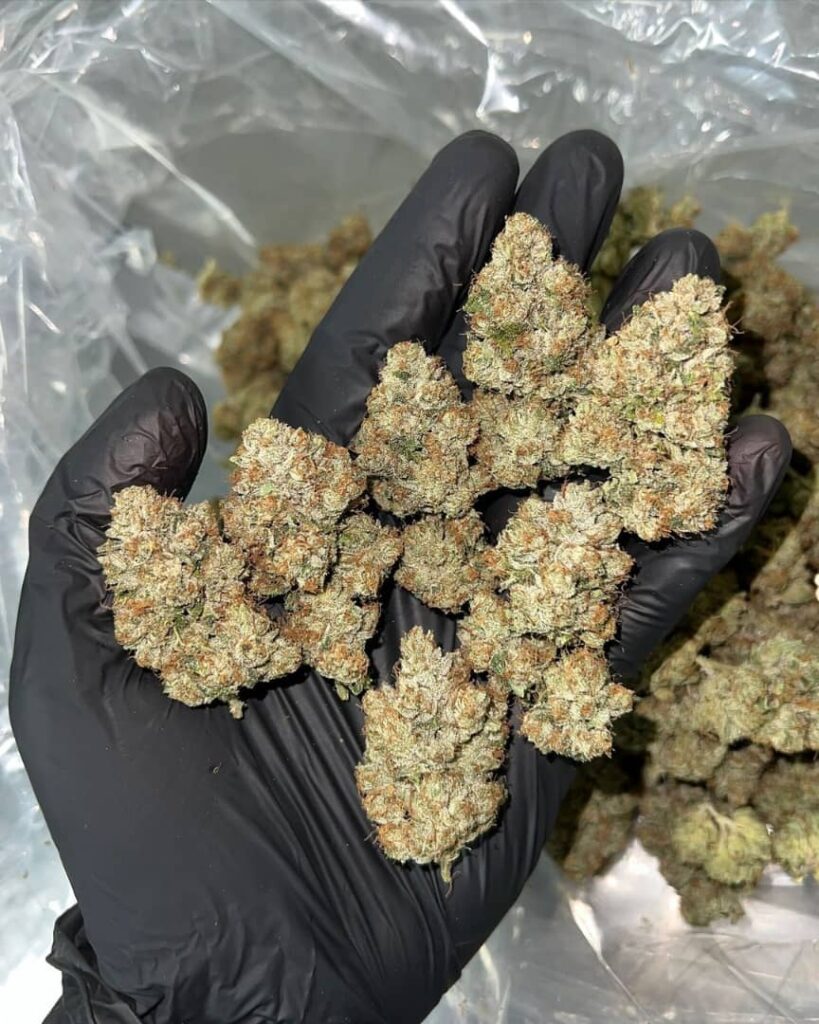
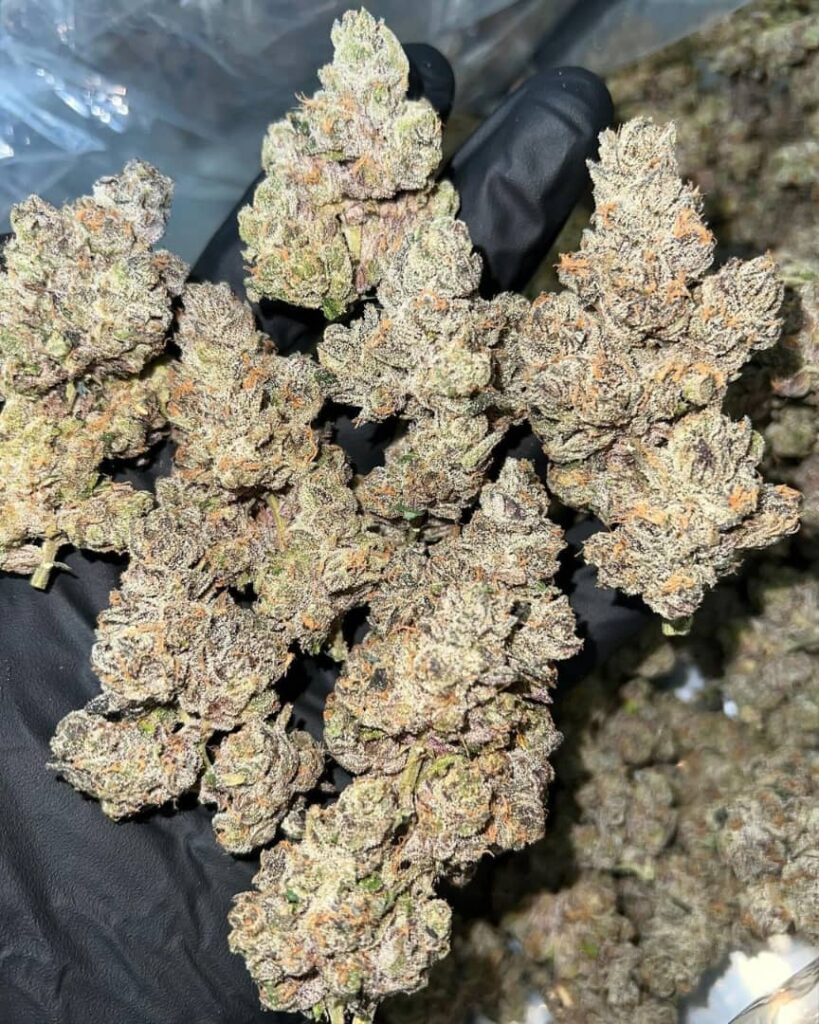
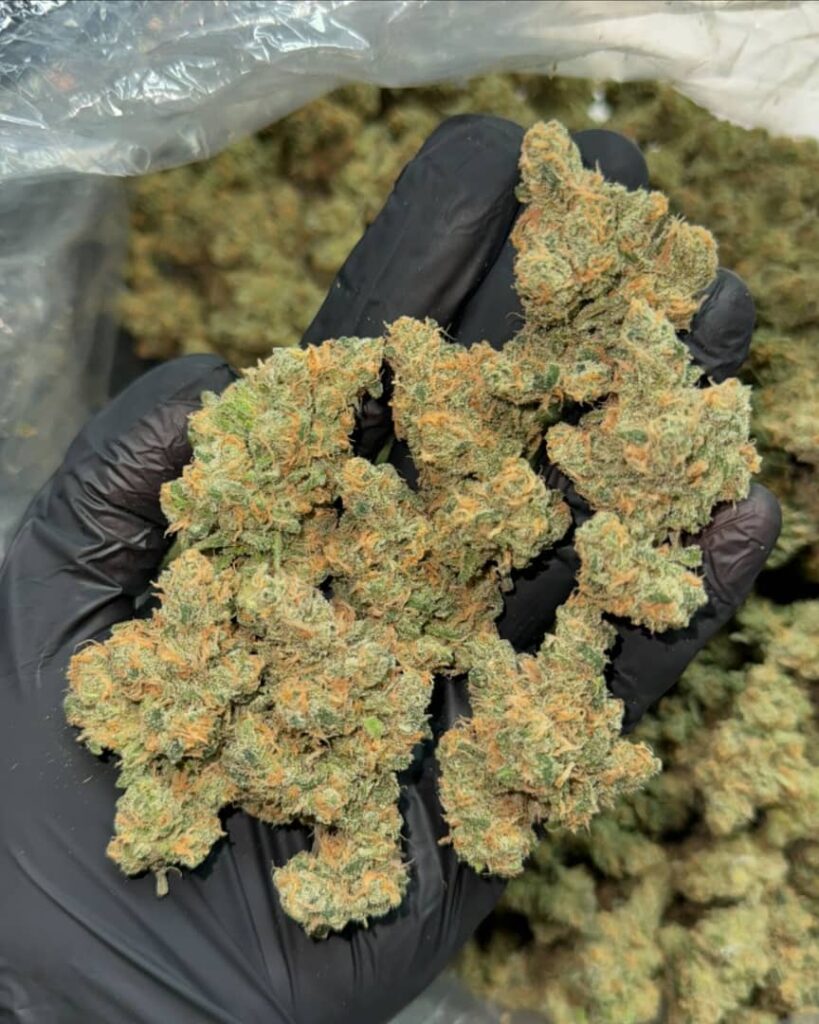
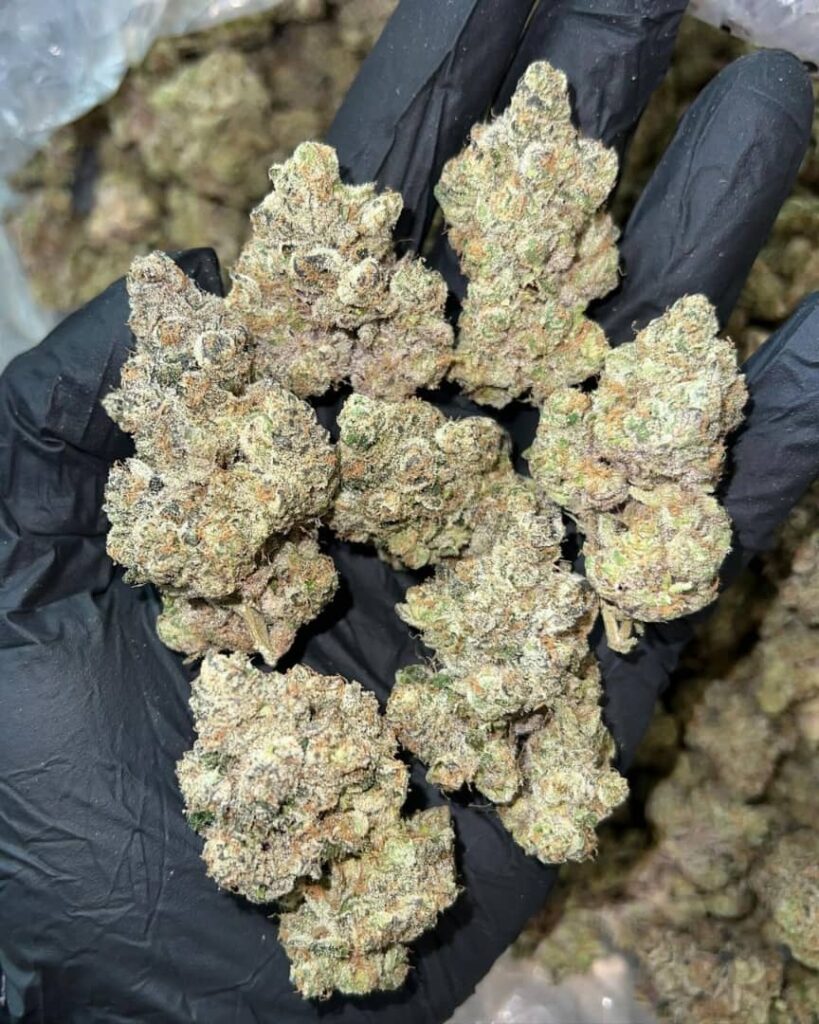
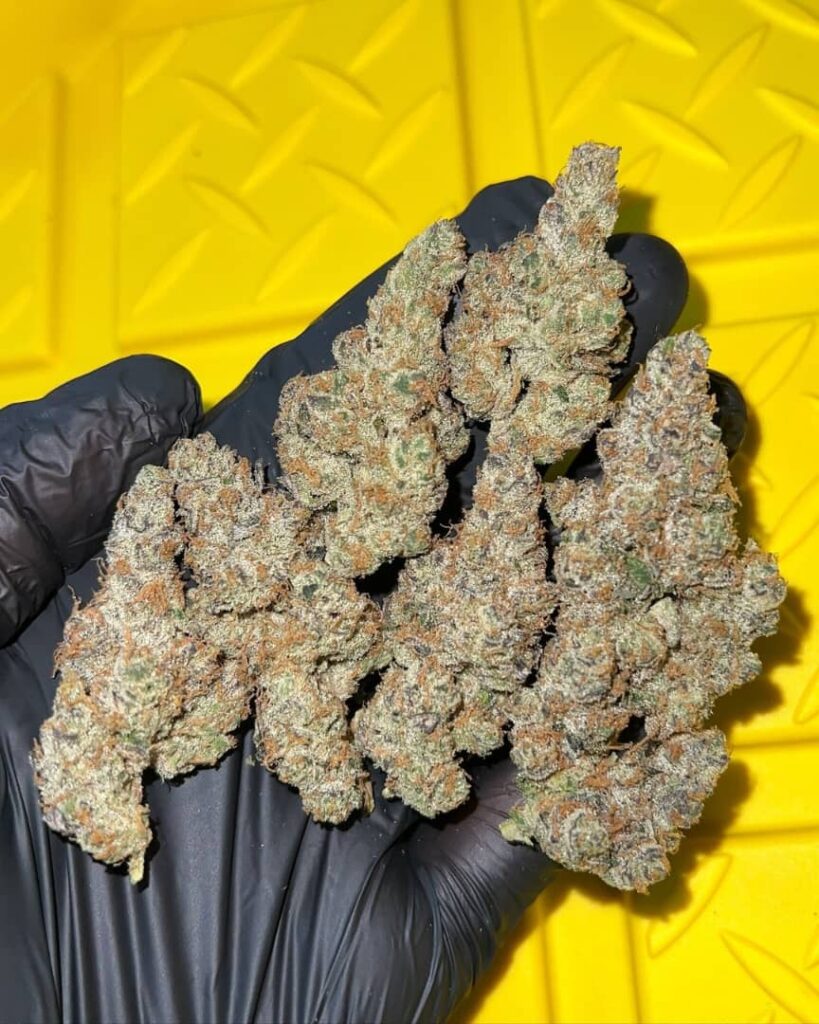
Apple Fritter is frequently described as producing dense, resinous flowers with strong visual appeal.
Leafly’s product and strain coverage commonly references thick flower structure and substantial trichome coverage.
Distinctive Terpenes
The cultivar’s combination of apple, bakery, spice, earth, and fuel provides a clear sensory identity.
Breeding Potential
Apple Fritter has already been incorporated into multiple subsequent breeding projects, demonstrating that its genetic influence extends beyond the original cultivar.
Proven Cultivars Versus Short-Term Trends
One of the biggest advantages of established genetics is predictability.
A new cultivar may attract attention because it is unusual. A proven cultivar earns repeated cultivation because growers understand its characteristics.
That difference matters when planning multiple production cycles.
A cultivation program benefits from knowing:
- Expected growth structure
- Approximate flowering behavior
- Aroma development
- Resin expression
- Environmental sensitivity
- Harvest characteristics
- Post-harvest behavior
No cultivar performs identically in every environment, but established genetics provide a stronger reference point than an unknown seed line.
Growing Apple Fritter Strain: What Cultivators Should Know
Apple Fritter is generally described as a moderately demanding cultivar rather than a beginner-only variety.
Leafly currently reports approximately 8–9 weeks of flowering and describes standard-seed cultivation as moderately difficult with medium yield.
Other commercial seed and clone listings report similar flowering windows, although the exact numbers vary between products and genetic selections.
These figures should be treated as reported ranges rather than guarantees.
Indoor Growing
Indoor environments give cultivators greater control over:
- Light
- Temperature
- Humidity
- Irrigation
- Canopy structure
- Air movement
- Harvest timing
Apple Fritter’s reported branching and dense flower characteristics make canopy management particularly important.
A uniform canopy can help maintain consistent light exposure and reduce localized humidity.
Outdoor Growing
Outdoor performance depends heavily on climate.
The cultivar has been reported in outdoor cultivation, but regional conditions can substantially affect flowering duration, harvest timing, mold risk, and final flower quality.
Growers should prioritize:
- Appropriate seasonal timing
- Adequate airflow
- Canopy spacing
- Weather protection where necessary
- Careful monitoring during late flowering
Flowering Time
A practical reported range is approximately 8–10 weeks, depending on the particular selection and growing environment.
Rather than harvesting solely according to a calendar, cultivators should evaluate plant maturity using appropriate legal cultivation practices and the characteristics of their particular phenotype.
Yield Potential
Published yield figures vary substantially between seed products and clone listings.
For that reason, it would be misleading to present a single guaranteed Apple Fritter yield.
Yield depends on:
- Genetics
- Plant size
- Root development
- Light intensity
- Environment
- Training
- Growing medium
- Nutrition
- Flowering conditions
- Harvest timing
Environmental Management
Dense flowers make airflow and humidity management especially important.
A well-managed canopy helps reduce stagnant air and creates more uniform environmental conditions around developing flowers.
This becomes increasingly important during late flowering.
Training
Apple Fritter is commonly described as responding to training approaches such as topping and low-stress training. Some commercial cultivation descriptions also recommend canopy management and branch control.
The objective should not be to train plants simply because a particular technique is fashionable.
Instead, training should be used to create:
- Better light distribution
- More manageable plant architecture
- Improved airflow
- More consistent flowering sites
- Efficient use of available growing space
Why Clone Selection Matters for Apple Fritter
For cultivators interested in a recognizable Apple Fritter phenotype, the distinction between genetic identity and genetic reproduction is important.
A seed carrying the Apple Fritter name can represent a breeding reproduction rather than the exact plant that established the original cultivar’s reputation.
A verified clone, by comparison, can preserve a specific selected phenotype.
That can matter for:
Phenotype Preservation
A clone is genetically derived from the mother plant rather than being a new genetic combination.
Crop Uniformity
Using genetically consistent starting material can reduce the variability that appears when growing a population from seed.
Terpene Expression
A selected phenotype can preserve a specific aromatic direction more consistently than an unknown seed population.
Production Planning
Known starting material makes it easier to plan canopy development, flowering behavior, and harvest expectations.
Commercial Predictability
For legally operating cultivation programs, genetic consistency can simplify production planning and quality control.
This is why provenance matters.
The question should not simply be:
“Is this labeled Apple Fritter?”
A better question is:
“What is the documented origin of this particular genetic material?”
Why Genetics Matter More Than Most Growers Realize
The genetics entering a cultivation facility are the foundation of everything that follows.
A sophisticated environmental system cannot turn unknown genetics into a verified cultivar.
Starting material influences:
- Plant vigor
- Root development
- Branching
- Flower structure
- Resin expression
- Aroma
- Flowering behavior
- Crop uniformity
- Production planning
This is particularly important with recognizable cultivars such as Apple Fritter.
If the goal is to preserve a specific phenotype, the starting material becomes part of the quality-control system.
Healthy nursery material also provides an important advantage at the beginning of the crop cycle.
A plant with a well-developed root system has already established the biological foundation needed for successful vegetative growth.
That does not guarantee a successful harvest. Environmental management still matters.
But starting with healthy, properly maintained genetics removes one unnecessary variable.
Nursery-Quality Apple Fritter Genetics
For growers evaluating Apple Fritter genetics, the most useful criteria are not simply branding or appearance.
Look for evidence of:
- Genetic provenance
- Healthy root development
- Appropriate acclimation
- Consistent plant structure
- Clean nursery practices
- Accurate labeling
- Responsible handling
- Clear communication about phenotype identity
- Transparent availability information
The guiding principle is simple:
Success starts with strong genetics and healthy plant material.
That principle applies whether the grower operates a small personal garden or a larger licensed cultivation program.
Wild Leaf Gardens can position its Apple Fritter offering around these quality fundamentals rather than unsupported promises about guaranteed yields, THC percentages, or identical outcomes in every cultivation environment.
Because nursery availability can be seasonal and phenotype-specific, growers should verify current information directly with the nursery and evaluate whether the available genetic material fits their cultivation goals.
Who Should Grow Apple Fritter?
Apple Fritter can be relevant to several types of legal cultivators.
Commercial Cultivators
Established cultivar recognition can make Apple Fritter interesting for licensed cultivation programs evaluating recognizable genetics.
Home Growers
Experienced home cultivators may appreciate its combination of distinctive aroma, visual appeal, and hybrid characteristics where cultivation is lawful.
Premium Flower Producers
The cultivar’s bakery-fruit profile and resin-rich appearance can appeal to growers focused on high-quality flower.
Extraction-Focused Cultivators
Resin production can make particular phenotypes interesting for extraction-oriented programs, although actual extraction performance must be evaluated from the individual plant rather than assumed from the strain name.
Genetic Collectors
Growers interested in modern cannabis genetics may value Apple Fritter Strain because of its influence on subsequent breeding work.
Cultivators Seeking Proven Genetics
Perhaps most importantly, Apple Fritter appeals to growers who prefer established cultivars with documented histories over anonymous or poorly documented genetics.
Frequently Asked Questions About Apple Fritter
What strain is Apple Fritter?
Apple Fritter is a hybrid cannabis cultivar associated with Lumpy’s Flowers. Its widely documented lineage is Animal Cookies × Sour Apple. Lumpy’s current official page identifies the cross as Animal Cookies × Sour Apple ‘Indica.’
What are Apple Fritter genetics?
Apple Fritter’s recognized genetics are Animal Cookies and Sour Apple. The cultivar was developed by Lumpy’s Flowers in Northern California.
Is Apple Fritter a hybrid?
Yes. Leafly currently classifies Apple Fritter as a hybrid.
What does Apple Fritter Strain taste like?
Apple Fritter is commonly associated with sweet apple, pastry, creamy vanilla, cinnamon, earth, and diesel notes. Lumpy’s Flowers specifically describes sweet baked apple, creamy vanilla, warm cinnamon, and an earthy diesel finish.
Why is Apple Fritter so popular?
Its popularity comes from the combination of recognizable genetics, distinctive dessert-inspired flavor, resin-rich flowers, consumer familiarity, and its continued use in breeding programs. Leafly has documented its expansion from Northern California into widespread national recognition.
What terpenes are commonly found in Apple Fritter Strain?
Leafly currently lists caryophyllene, limonene, and pinene among Apple Fritter’s primary terpenes.
Actual terpene concentrations vary by phenotype, cultivation environment, harvest timing, drying, and curing.
How long does Apple Fritter flower?
Reported flowering times generally fall around 8–10 weeks, although individual selections and growing environments can differ. Leafly currently lists approximately 8–9 weeks.
Is Apple Fritter Strain easy to grow?
Apple Fritter is generally described as having moderate cultivation difficulty. It is not necessarily unsuitable for newer growers, but consistent environmental management and canopy control can become increasingly important as flower density develops.
Is Apple Fritter clone-only?
Apple Fritter Strain is strongly associated with an original Lumpy’s selection and is often discussed as a clone-based cultivar. However, numerous seed products using the Apple Fritter name are available. Those seed versions should not automatically be assumed to be identical to the original selected plant.
Are Apple Fritter clones better than seeds?
Neither is universally better.
Seeds can provide genetic diversity and are useful for breeding and phenotype selection. A verified clone can be preferable when the goal is to preserve a particular selected phenotype and reduce genetic variation between plants.
Where can I find Apple Fritter clones?
Availability depends on location, licensing, season, and the particular nursery or genetic provider. Growers should evaluate the provenance and health of any Apple Fritter plant material and confirm that cultivation and possession are lawful in their jurisdiction.
Why do growers prefer rooted clones?
Rooted clones provide an established plant with an existing root system, potentially shortening the period between acquisition and vegetative establishment compared with starting from seed. Root quality and plant health still need to be evaluated before introduction into a cultivation environment.
Is Apple Fritter suitable for commercial cultivation?
For legally licensed cultivation operations, Apple Fritter can be considered because of its established consumer recognition, distinctive sensory profile, and history in modern breeding. Commercial suitability ultimately depends on the individual phenotype, local regulations, production system, market, and facility conditions.
Can Apple Fritter genetics vary between growers?
Yes. Phenotype, environment, cultivation practices, harvest timing, drying, and curing can all influence the final expression of a cultivar.
Why does genetic provenance matter?
Provenance helps distinguish a documented genetic selection from an unverified plant carrying the same strain name. For growers prioritizing consistency, that distinction can be extremely important.
Conclusion
Apple Fritter is more than a popular dessert-style cannabis cultivar.
Its significance comes from the combination of Animal Cookies and Sour Apple genetics, its distinctive apple-and-bakery sensory profile, its resin-rich flower characteristics, and its continued relevance in modern cannabis breeding. Lumpy’s Flowers currently identifies the lineage as Animal Cookies × Sour Apple, while Leafly’s historical reporting documents the cultivar’s development in Northern California and its subsequent rise to national prominence.
Its terpene profile is commonly associated with caryophyllene, limonene, and pinene, while consumer reports frequently describe relaxed, euphoric, giggly, and tingly experiences.
For cultivators, however, the most important lesson may be genetic provenance.
A strain name is only useful when it represents identifiable genetics.
Healthy starting material, responsible nursery practices, phenotype preservation, and accurate labeling provide the foundation for a more predictable cultivation program.
For growers evaluating Apple Fritter genetics, the strongest approach is therefore to look beyond the label and ask where the material came from, how it was selected, how it has been maintained, and whether the plant’s characteristics align with the intended cultivation environment.
Strong genetics are the starting point. Healthy plant material is the foundation. Careful cultivation brings the potential of those genetics to life.
Reviews
There are no reviews yet.