
Description
Sour Diesel Strain Guide: Genetics, Effects, Growing Tips & Premium Clones
Few cannabis cultivars have achieved the cultural longevity of Sour Diesel Strain.
Also known as Sour D or Sour Deez, Sour Diesel became prominent in the early 1990s and developed a reputation for its unmistakable fuel-forward aroma, energetic reported effects and strong connection to East Coast cannabis culture. Leafly currently describes it as a hybrid, with diesel, chemical and skunk among its leading flavor descriptors and caryophyllene, myrcene and limonene among its listed terpenes.
What makes Sour Diesel particularly important is not simply its age. It has remained relevant while countless newer cultivars have appeared and disappeared from the market.
Its genetic influence is one reason.
Sour Diesel has been used in subsequent breeding projects, while the cultivar itself continues to attract growers who value recognizable legacy genetics, vigorous growth and an unusually distinctive aromatic profile.
At the same time, Sour Diesel presents an important lesson about cannabis genetics: the name does not always guarantee identical genetics or chemistry.
Historical accounts of its origin conflict, and Leafly has documented substantial variation among products sold under the Sour Diesel name.
For growers researching Sour Diesel today, understanding that distinction is essential.
What Is Sour Diesel Strain?
Sour Diesel is a long-established cannabis cultivar commonly described as a sativa-dominant hybrid, although current commercial and database classifications can vary.
Leafly currently lists Sour Diesel as a hybrid and reports approximately 19% THC on its strain profile. It identifies energetic, uplifted and talkative among the leading reported effects, with diesel, chemical and skunk as leading flavors.
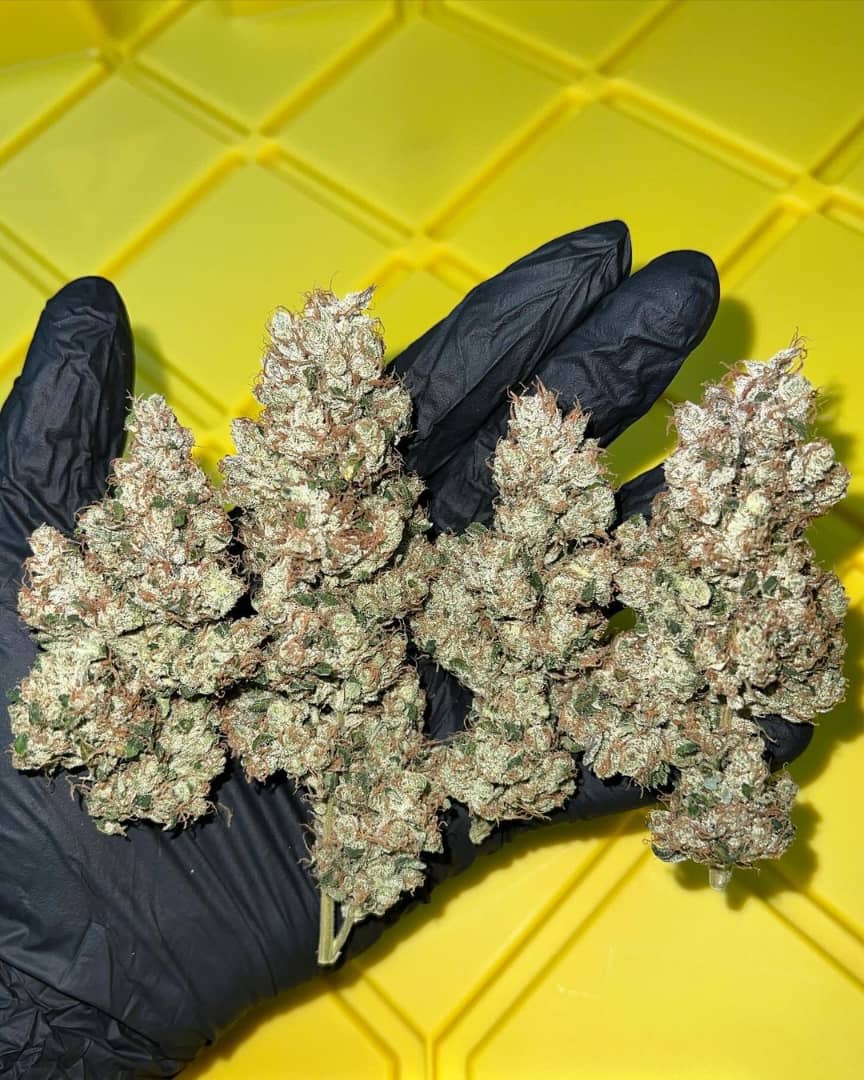
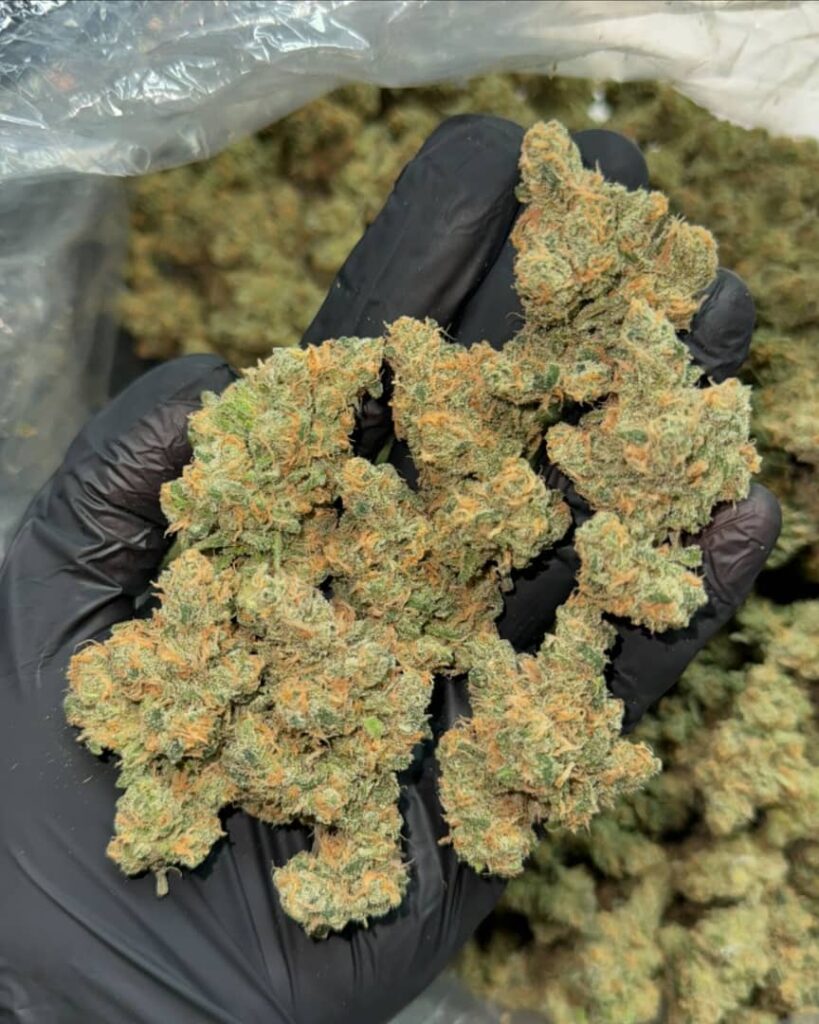
The cultivar became particularly famous for its intensely recognizable aroma.
Rather than relying on sweet fruit or dessert characteristics, Sour Diesel developed its identity around:
- Diesel
- Fuel
- Chemical notes
- Sour citrus
- Skunk
- Earth
- Herbal character
That aromatic identity helped establish Sour Diesel as one of the most recognizable classic cannabis strains of the modern era.
Its nickname, Sour D, is now nearly as recognizable as the full name.
Sour Diesel Genetics and Lineage
The Chemdawg Connection
The most widely circulated lineage for Sour Diesel is Chemdawg × Super Skunk.
Leafly’s current strain profile presents those two cultivars as the parents.
However, historical research requires more caution.
Leafly’s investigation into the “real” Sour Diesel specifically notes that the original breeder is unknown and that the genetics are not conclusively documented. The same investigation describes the commonly accepted connection to Chemdawg 91 and Super Skunk while emphasizing that competing origin stories exist.
This distinction is important.
A responsible Sour Diesel lineage discussion should therefore distinguish between:
Commonly reported lineage: Chemdawg 91 × Super Skunk
and
Historically verified pedigree: Not conclusively established for the original Sour Diesel clone.
That is a much more accurate description than presenting the commonly repeated pedigree as laboratory-confirmed fact.
The Super Skunk Influence
The Super Skunk connection is frequently cited as part of Sour Diesel’s genetic background.
That makes practical sense when looking at the cultivar’s aromatic identity. Skunk-family genetics are historically associated with strong pungency, while Sour Diesel developed an unusually intense combination of fuel, chemical and skunky notes.
However, aroma alone cannot prove parentage.
The safest conclusion is that Super Skunk is the widely reported second parent, rather than claiming that every Sour Diesel selection necessarily carries an identical Super Skunk genetic contribution.
Why Sour Diesel’s Origins Are Still Debated
Sour Diesel’s history is one of the clearest examples of why cannabis strain histories can be difficult to reconstruct.
The cultivar emerged through underground cannabis culture during the early 1990s, when systematic breeding records were far less common than they are today.
Leafly reports that the original breeder remains unknown and that much of the cannabis community credits a grower known as AJ with its creation. At the same time, competing explanations exist for the actual cross that produced the original plant.
This uncertainty has consequences.
Different growers and breeders may maintain plants under the Sour Diesel name that aren’t genetically identical.
Leafly’s research found that Sour Diesel products can vary in aroma, flavor and chemical composition, reinforcing the importance of genetic provenance when evaluating a particular selection.
Why that matters for growers
If two plants are both labeled Sour Diesel but originate from different selections, they may differ in:
- Growth rate
- Stretch
- Flowering period
- Terpene expression
- Cannabinoid profile
- Flower structure
- Resin production
- Overall plant architecture
The cultivar name establishes a useful reference point, but the actual genetic source determines what a grower is working with.
Why Sour Diesel Became a Cannabis Legend
Sour Diesel’s rise cannot be separated from the development of East Coast cannabis culture.
During the 1990s and early 2000s, Sour Diesel became strongly associated with New York and the wider Northeast cannabis scene. Its unusual aroma and energetic reputation gave it an identity that was immediately distinguishable from many other cultivars.
That longevity is significant.
Cannabis trends move quickly. New genetics can dominate conversation for a few months and then disappear.
Sour Diesel survived that cycle because its identity is difficult to substitute.
A cultivar that smells like Sour Diesel is not merely “another strong cannabis strain.” It occupies a recognizable sensory category.
That recognition creates long-term value for legacy genetics.
Sour Diesel Aroma, Flavor & Terpene Profile
Sour Diesel Aroma
The classic Sour Diesel flavor begins with aroma.
The most commonly reported characteristics include:
- Diesel fuel
- Chemical pungency
- Skunk
- Sour citrus
- Earth
- Herbal notes
Leafly currently lists diesel, chemical and skunk as Sour Diesel’s leading flavor characteristics.
This is one of the reasons Sour Diesel remains so recognizable.
Many modern cultivars are built around sweet fruit, candy, cream or pastry profiles. Sour Diesel occupies a completely different aromatic category.
Its fuel-forward profile is part of its identity.
Flavor
A well-expressed Sour Diesel selection can deliver a sharp, fuel-heavy initial flavor followed by sour citrus and skunky undertones.
The finish may remain:
- Pungent
- Earthy
- Chemical
- Herbal
- Diesel-forward
The final expression depends heavily on phenotype and cultivation.
Harvest timing, environmental conditions, drying and curing can all influence how strongly particular aromatic compounds are expressed.
Sour Diesel Terpene Profile
Leafly currently identifies:
Caryophyllene
Caryophyllene is associated with spicy, peppery and woody aromatic characteristics.
Myrcene
Myrcene contributes earthy and herbal aromatic qualities and is commonly found across many cannabis cultivars.
Limonene
Limonene contributes citrus-like aromatic characteristics and can complement Sour Diesel’s sour and lemon-like notes.
Leafly currently lists all three among Sour Diesel’s principal terpenes.
However, there is an important qualification.
There is no single universal Sour Diesel terpene profile.
Leafly’s investigation found that different products sold under the Sour Diesel name can display different chemical profiles.
That means a generic strain profile should not be substituted for laboratory analysis of a particular harvest.
For growers and breeders, this variation is actually useful information: it demonstrates why phenotype selection and genetic provenance matter.
Sour Diesel Effects and Potency
Mental Effects
Sour Diesel is widely associated with energetic, cerebral and uplifting experiences.
Leafly currently lists energetic, uplifted and talkative as its leading reported effects.
Consumer reports also commonly describe:
- Euphoria
- Creativity
- Energy
- Focus
- Mental stimulation
- Social engagement
These are reported experiences, not guaranteed outcomes.
Physical Effects
Sour Diesel is generally less associated with heavy physical sedation than many indica-dominant cultivars.
That reputation has contributed to its long-standing popularity among consumers looking for a more stimulating cannabis experience.
Individual responses nevertheless vary considerably.
Tolerance, dose, cannabinoid concentration, terpene composition and individual physiology can all affect the experience.
Sour Diesel THC
Leafly currently lists Sour Diesel at approximately 19% THC.
That figure should not be interpreted as a universal potency specification.
Different Sour Diesel selections and harvests can test differently, and a batch-specific certificate of analysis is the appropriate source for determining actual THC concentration.
For SEO purposes, this distinction is particularly valuable because searches for Sour Diesel THC often lead readers toward generic numbers that may not represent the plant or product they are actually evaluating.
Why Growers Still Choose Sour Diesel
Decades after its emergence, Sour Diesel remains relevant for several reasons.
1. Recognizable Market Identity
Consumers know what the name represents.
That recognition is valuable because the cultivar does not need to be explained entirely through novelty.
2. Distinctive Terpene Expression
Its fuel, chemical and skunk characteristics separate it from the increasingly crowded sweet-fruit and dessert categories.
3. Breeding Value
Sour Diesel has contributed to numerous subsequent breeding projects. Leafly’s current profile, for example, identifies Headband and Sour Apple among its descendants.
4. Legacy Status
Sour Diesel has accumulated decades of cultivation knowledge.
That matters to growers.
A new cultivar may have an impressive description, but a legacy cultivar gives growers access to a much larger body of accumulated experience.
Growing Sour Diesel Strain: What Cultivators Should Know
Sour Diesel is not necessarily the easiest cultivar for a small indoor space.
Leafly’s cultivation information reports a flowering period of approximately 77 days, while its dedicated growing guide gives a 10–11 week flowering estimate and describes the plant as moderately to difficult to grow.
That makes the commonly cited 10–11 week flowering window reasonable as a planning estimate.
Indoor Growing
Indoor growers should anticipate substantial vegetative growth and flowering stretch.
Leafly specifically notes that Sour Diesel can fill indoor space rapidly.
Effective planning should therefore begin before the plant enters its major flowering stretch.
Important considerations include:
- Adequate vertical clearance
- Canopy management
- Strong airflow
- Appropriate plant spacing
- Stable environmental conditions
- Support for large branches
A small room can become overcrowded quickly if the cultivar isn’t trained appropriately.
Outdoor Growing
Sour Diesel can perform well outdoors under suitable conditions.
Leafly recommends a dry outdoor climate and notes that the cultivar performs best when allowed to grow large rather than being tightly confined in containers.
That makes climate particularly important.
Outdoor cultivators should consider:
- Seasonal humidity
- Rainfall
- Air movement
- Root-zone drainage
- Available vertical space
- Late-season weather
Its relatively long flowering period also means that growers in marginal climates need to plan carefully around the local growing season.
Flowering Time
A practical planning range for Sour Diesel is approximately 10–11 weeks.
Leafly’s strain profile reports 77 days, while its dedicated cultivation article specifies 10–11 weeks.
These figures should still be treated as estimates.
Different selections can finish differently.
The most reliable harvest decision comes from observing the individual plant’s maturity rather than relying solely on a calendar.
Yield Potential
Sour Diesel is commonly described as capable of moderate production, with heavier yields possible when the plant’s vigorous growth is properly managed.
Leafly’s growing guide specifically notes that controlling the stretch and feeding appropriately can support heavier yields.
However, yield is one area where generic strain statistics can easily become misleading.
Actual output depends on:
- Genetics
- Light intensity
- Root volume
- Plant density
- Training
- Environmental control
- Nutrition
- Grower experience
- Flowering duration
For commercial cultivation, historical facility data is more useful than a generic internet yield number.
Environmental Preferences
Sour Diesel generally benefits from a stable environment.
Because it can develop significant foliage and stretch, airflow should be considered from the beginning rather than added as an afterthought.
Canopy management and environmental control work together.
A properly shaped canopy allows:
- Better light penetration
- More consistent development
- Improved airflow
- Easier irrigation
- Easier inspection
- More predictable harvest planning
Training Methods
Training can be particularly useful for Sour Diesel because of its vigorous growth.
Growers may consider techniques such as:
- Early topping
- Low-stress training
- Trellising
- Branch positioning
- Canopy shaping
The objective is not simply to suppress growth.
It is to redirect vigorous growth into a manageable production structure.
Seeds vs. Sour Diesel Rooted Clones
The choice between Sour Diesel seeds and Sour Diesel rooted clones depends on the grower’s objective.
Benefits of Seeds
Seeds provide:
- Genetic diversity
- Phenotype hunting
- Breeding opportunities
- Selection potential
- Greater exploration of genetic expression
For breeders, variation is an advantage.
A seed population may reveal individuals with different combinations of:
- Aroma
- Structure
- Resin
- Flower density
- Stretch
- Maturity
- Vigor
Benefits of Rooted Clones
A healthy rooted clone provides a more defined genetic starting point.
Potential advantages include:
- Known selection
- Established roots
- More predictable architecture
- Faster establishment
- Greater crop uniformity
This is particularly useful when production planning depends on consistency.
But there is an important qualification:
A clone is only as good as its source.
A poorly maintained mother plant or weak root system can eliminate much of the advantage of starting with a clone.
Why Genetics Matter More Than Most Growers Realize
A grower’s environment can be carefully engineered, but genetics determine much of the plant’s underlying potential.
Genetic selection can influence:
Crop Uniformity
More consistent plants are easier to manage at scale.
Plant Vigor
Starting material with healthy development provides a stronger foundation.
Yield Predictability
Known selections can reduce some of the variability associated with seed populations.
Terpene Expression
Different phenotypes can express significantly different aromatic profiles.
Quality Control
Consistent genetics make it easier to establish repeatable cultivation standards.
Production Planning
Known flowering and growth characteristics help growers schedule labor and facility capacity.
This is particularly important with Sour Diesel because the historical name encompasses genetic variation.
Genetic provenance is therefore a production variable, not merely a marketing detail.
Wild Leaf Gardens and Sour Diesel Genetics
For Wild Leaf Gardens, Sour Diesel provides an opportunity to demonstrate what responsible nursery cultivation should mean.
The most credible message is straightforward:
Success starts with strong genetics and healthy plant material.
A professional nursery approach should focus on:
- Healthy mother plants
- Strong root development
- Careful propagation
- Accurate cultivar identification
- Consistent plant care
- Appropriate environmental management
- Clear communication with growers
That philosophy matters especially with legacy cultivars such as Sour Diesel.
Because historical Sour Diesel selections can differ, growers benefit from understanding which genetic selection they are working with, rather than assuming every plant carrying the Sour Diesel name is genetically identical.
Wild Leaf Gardens can reinforce its authority by educating growers about that distinction.
Whether a grower is expanding a canopy, evaluating new genetics or planning a future cultivation cycle, starting with vigorous plant material can create a more predictable foundation.
Who Should Grow Sour Diesel Strain?
Commercial Cultivators
Sour Diesel’s recognizable identity and established cultivation history can make it relevant to professional production programs.
Home Growers
Experienced home growers with adequate vertical space and environmental control may appreciate its distinctive growth and aromatic characteristics.
Breeders
Its long breeding history makes Sour Diesel particularly interesting to geneticists exploring classic East Coast cannabis genetics.
Legacy Strain Enthusiasts
Growers interested in classic cannabis strains often seek Sour Diesel specifically because of its historical significance.
Premium Flower Producers
Its distinctive fuel-forward aroma provides strong differentiation from modern dessert and fruit cultivars.
Extraction-Focused Growers
Resin-rich phenotypes may be interesting for extraction, although actual extraction performance must be determined from the individual selection.
Frequently Asked Questions
What strain is Sour Diesel?
Sour Diesel is a long-established cannabis cultivar commonly described as a sativa-dominant hybrid. Leafly currently lists it as a hybrid and associates its commonly reported lineage with Chemdawg and Super Skunk.
What are Sour Diesel genetics?
The most commonly reported pedigree is Chemdawg × Super Skunk. However, the original Sour Diesel breeder and exact historical genetics remain disputed. Leafly has specifically documented competing origin stories.
Is Sour Diesel a sativa or hybrid?
Sour Diesel is commonly described as sativa-dominant, but Leafly currently classifies it as a hybrid. Historical and commercial classifications can differ.
What does Sour Diesel taste like?
The classic profile is strongly associated with diesel, chemical and skunk notes, with sour citrus, earth and herbal characteristics often appearing alongside them.
How strong is Sour Diesel Strain?
Leafly currently lists approximately 19% THC, but potency varies between selections and batches. A laboratory result for the specific harvest is more reliable than a generic strain number.
What terpenes are commonly found in Sour Diesel?
Leafly currently identifies caryophyllene, myrcene and limonene among Sour Diesel’s leading terpenes. Actual terpene concentrations vary by phenotype and cultivation conditions.
How long does Sour Diesel flower?
Leafly reports approximately 77 days, while its cultivation guide gives a 10–11 week flowering period. Individual selections can vary.
Is Sour Diesel Strain easy to grow?
Leafly’s cultivation information places Sour Diesel toward the moderate-to-difficult end of cultivation and highlights its vigorous growth and tendency to occupy indoor space rapidly.
Are Sour Diesel clones better than seeds?
Neither is universally better. Seeds offer genetic diversity and phenotype-selection opportunities, while healthy rooted clones can provide a more defined and predictable starting point.
Why do growers prefer rooted clones?
Rooted clones can provide an established root system and known genetic selection, reducing some of the uncertainty associated with starting from seed.
Why is Sour Diesel so popular?
Its longevity comes from a combination of recognizable genetics, an unusually distinctive diesel aroma, strong consumer recognition and decades of influence on cannabis culture and breeding.
What makes Sour Diesel different from other Diesel strains?
Sour Diesel is an original legacy cultivar with a specific historical identity. Numerous later strains use “Diesel” in their names but have different pedigrees. The name alone does not establish genetic equivalence.
Is Sour Diesel good for commercial cultivation?
It can be appropriate for experienced commercial cultivators with sufficient space and environmental control. Its vigorous growth and longer flowering period need to be incorporated into production planning.
Why are there different versions of Sour Diesel?
The original genetics were not comprehensively documented, and Sour Diesel circulated extensively through clone networks. Leafly’s research found chemical variation among products sold under the same name.
Conclusion
Sour Diesel remains one of the most important legacy cannabis cultivars because its identity has survived changing trends.
Its distinctive combination of diesel, chemical and skunk aromas remains immediately recognizable, while its reported energetic and cerebral profile has helped maintain its cultural relevance for decades.
Its genetics are more complicated than a simple pedigree suggests. Chemdawg and Super Skunk represent the commonly cited lineage, but the original breeder and exact ancestry remain historically disputed.
That uncertainty is not a weakness.
It is a reminder of why genetic provenance matters.
For cultivators, choosing a legacy cultivar should mean looking beyond the name. Mother-plant health, genetic selection, rooting quality, environmental management and phenotype consistency can all influence the final crop.
Sour Diesel’s continuing relevance demonstrates that great genetics don’t necessarily need to be new.
Sometimes, the most valuable genetics are the ones that have already stood the test of time.
Reviews
There are no reviews yet.