
Description
White Iverson Strain Guide: Genetics, Effects, Growing Tips & Premium Clones
White Iverson Strain has attracted attention as a modern exotic cannabis cultivar, particularly among growers and consumers looking for distinctive genetics, dense flower, strong visual appeal, and contemporary dessert-and-gas terpene profiles. However, White Iverson is also a good example of why genetic provenance matters: several online strain databases contain conflicting information about its parentage and characteristics.
For the Lit Farms version, the most consistently documented lineage is (Blue Zushi × Lemon Cherry Gelato) × Permanent Marker, with Lit Farms listed as the breeder. SeedFinder records an 8–9 week flowering period and classifies the cultivar as mostly indica, while noting that its own database currently has insufficient user-submitted information about aroma, taste, and effects.
That distinction is important when evaluating White Iverson genetics. A strain name does not automatically guarantee that every plant carrying that name represents the same phenotype or breeding line.
Editorial note: This guide treats the Lit Farms White Iverson lineage as the primary reference and clearly separates breeder information, laboratory data from individual commercial batches, database estimates, and consumer observations.
What Is White Iverson Strain?
White Iverson is a modern cannabis cultivar associated with Lit Farms and a genetic combination built around Blue Zushi, Lemon Cherry Gelato, and Permanent Marker.
SeedFinder’s current Lit Farms listing describes White Iverson as:
(Blue Zushi × Lemon Cherry Gelato) × Permanent Marker
and gives a reported flowering period of approximately 8–9 weeks. It classifies the cultivar as mostly indica and says the Lit Farms release is available as feminized seed. White Iverson genetics.
The cultivar has subsequently appeared in commercial flower markets under the White Iverson name. Individual products have produced very different cannabinoid and terpene results, demonstrating why a single THC or terpene number should never be treated as an inherent property of every White Iverson plant.
A separate commercial product review reported substantially different cannabinoid and terpene results, further illustrating batch-to-batch variation.
In practical terms, White Iverson is best understood as a specific modern genetic line rather than a universal chemical formula.
White Iverson Genetics and Lineage
The Documented Lit Farms Lineage
The strongest consistent lineage information currently available for Lit Farms White Iverson is:
(Blue Zushi × Lemon Cherry Gelato) × Permanent Marker
SeedFinder’s genealogy traces Blue Zushi to The Original Z × Kush Mints and records Permanent Marker as a Biscotti × Jealousy/Sherb-derived line.
This gives White Iverson a particularly contemporary genetic foundation.
Rather than relying on a single old-school genetic family, the cultivar brings together several influential modern lines associated with:
- Z genetics
- Kush genetics
- Gelato-family genetics
- Cookies-family genetics
- Dessert-style aromas
- Resin-focused flower
- Modern exotic cannabis breeding
Why Lineage Matters
Lineage is more than an interesting family tree.
Genetics establish the biological starting point for characteristics such as:
- Plant architecture
- Branching
- Vigor
- Flower structure
- Resin development
- Aroma expression
- Flowering behavior
- Environmental response
That does not mean a parent guarantees a particular result.
Cannabis is genetically variable, and phenotype selection can produce meaningful differences between plants carrying related ancestry.
This is especially important with modern cultivars that circulate through multiple nurseries, breeders, seed companies, and commercial cultivation programs.
Understanding White Iverson Phenotypes
One of the biggest mistakes growers can make is assuming that every plant labeled White Iverson will perform identically.
A particular clone may express:
- More fruit
- More gas
- More floral character
- More sweetness
- Heavier resin
- Different branching
- Different stretch
- Different flower density
The environment can amplify those differences.
Light intensity, temperature, humidity, nutrition, root-zone conditions, harvest timing, drying, and curing can all influence the final expression.
This is why genetic provenance plus phenotype selection is more informative than the strain name alone.
Why White Iverson Has Captured Grower Attention
White Iverson fits directly into one of the strongest trends in modern cannabis: demand for cultivars that are both genetically interesting and visually distinctive.
The modern exotic-genetics market increasingly rewards flowers that can deliver a recognizable combination of:
genetics + appearance + aroma + resin + identity.
White Iverson benefits from that environment.
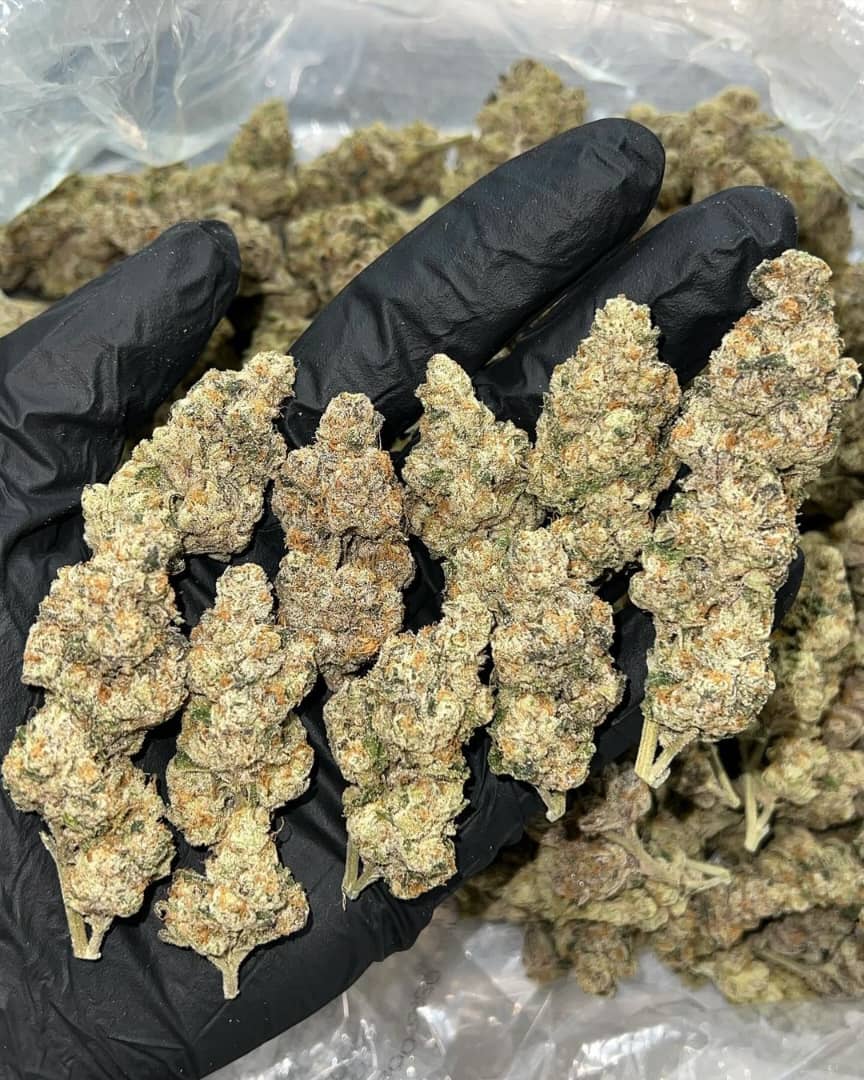
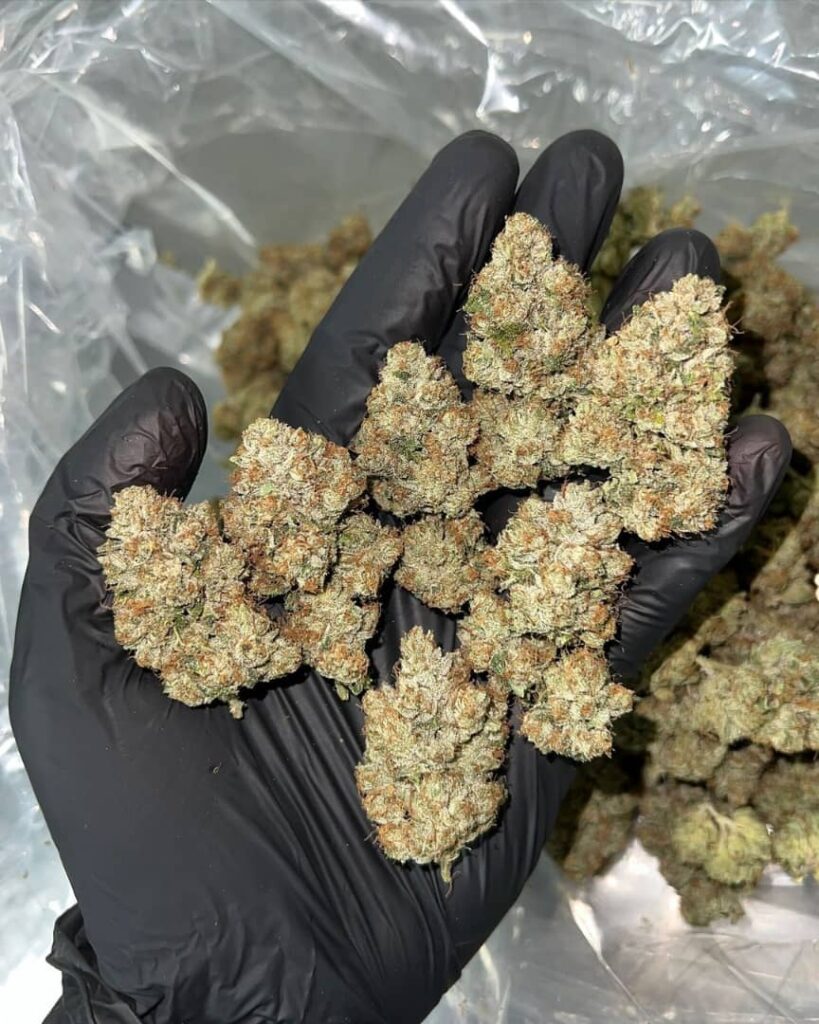
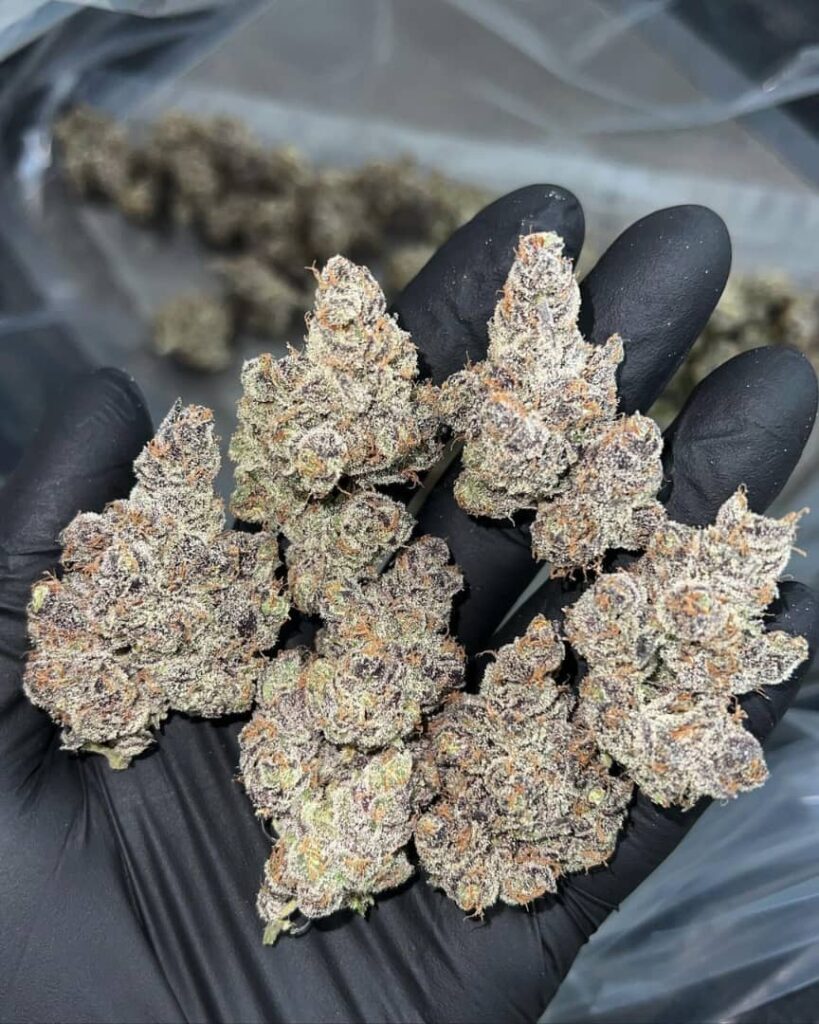
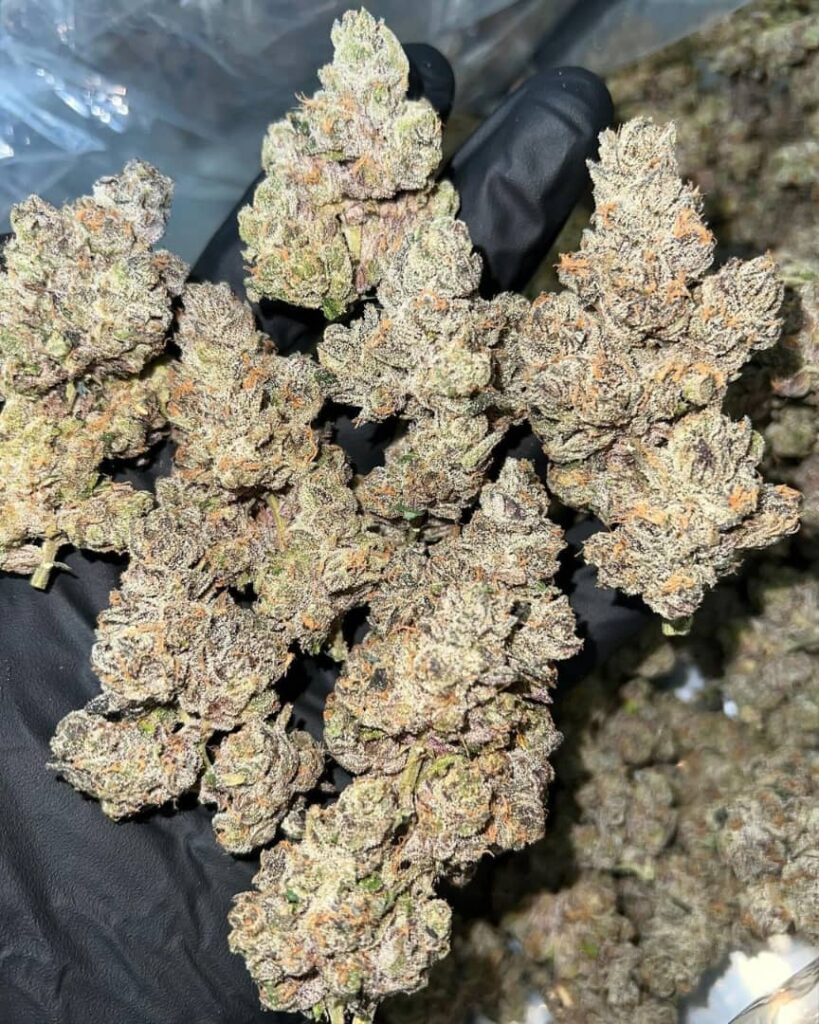
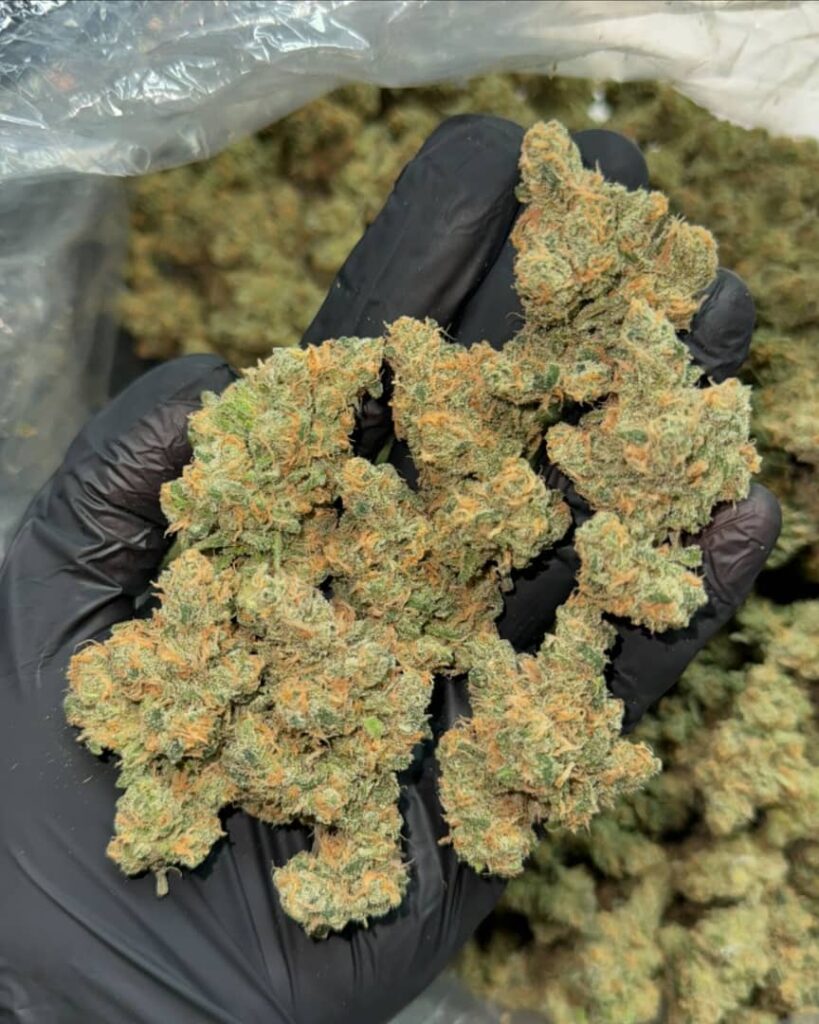
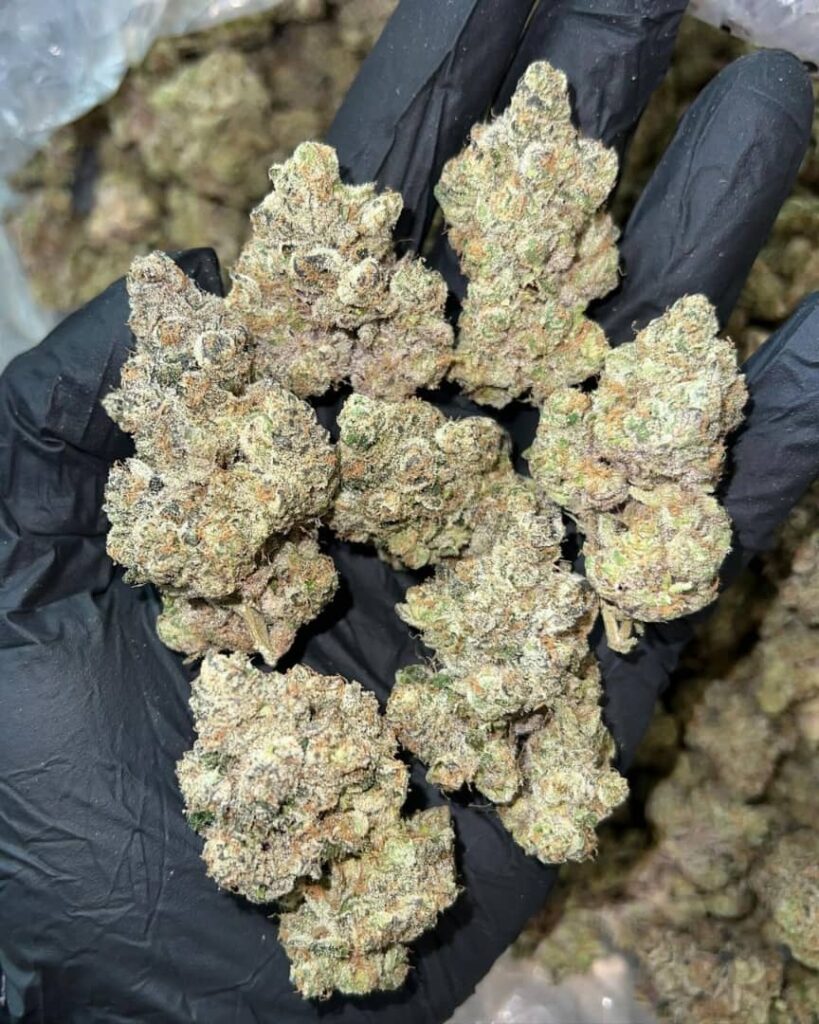
Its lineage combines several recognizable contemporary genetic families, while commercial examples have been described with characteristics including dense flowers, strong trichome coverage, fruit-forward aromas, gas, and complex sweet or creamy notes.
Consumer discussion also suggests that the cultivar’s appeal can be highly phenotype- and batch-dependent. For example, one 2026 Reddit discussion described a White Iverson batch as pungent, sour-fruity, gassy, dense, and sticky, while another commercial review reported a very different sensory experience.
That variation is not necessarily a weakness.
For experienced cultivators, it is a reminder that selection matters.
The most valuable plant in a room is not always the one with the most impressive label. It is the plant that repeatedly demonstrates the combination of characteristics the cultivation program is actually trying to preserve.
White Iverson Aroma, Flavor & Terpene Profile
Aroma
Available descriptions of White Iverson vary considerably, but recurring commercial and laboratory-linked descriptions include combinations of:
- Sweet fruit
- Citrus
- Cream
- Gas
- Diesel
- Floral notes
- Earth
- Mint-like or herbal characteristics
A recent commercial product description characterized the flower around sweet and sour citrus-berry notes, while another White Iverson product review emphasized gassy diesel alongside blueberry and lemon characteristics.
These differences are useful because they demonstrate the importance of avoiding an artificially precise “official” aroma profile when the available evidence does not support one.
Flavor
White Iverson’s reported flavor profile is similarly broad.
Depending on the product or phenotype, descriptions include:
- Sweet fruit
- Sour fruit
- Citrus
- Berry
- Cream
- Gas
- Diesel
- Earth
- Floral notes
This places White Iverson comfortably within the modern exotic dessert-and-gas category, although the exact balance depends on the individual plant and finished flower.
White Iverson Terpene Profile
The available laboratory evidence is more useful than generic strain descriptions.
A 2026 Kaycha Labs COA for a specific White Iverson flower batch measured 1.31% total terpenes. Its leading reported terpenes included:
- Beta-caryophyllene — 0.291%
- Limonene — 0.264%
- Linalool — 0.217%
- Beta-pinene — 0.0851%
- Farnesene — 0.0837%
- Alpha-humulene — 0.0829%
- Beta-myrcene — 0.0692%
These numbers belong to that particular tested batch and should not be presented as universal White Iverson specifications.
This distinction is essential.
A different White Iverson phenotype grown under different conditions could produce a substantially different terpene profile.
Caryophyllene
Caryophyllene is associated with peppery, spicy, woody, and warm aromatic characteristics.
Limonene
Limonene is commonly associated with bright citrus-like aromatic notes.
Linalool
Linalool contributes floral and sweet botanical characteristics.
Pinene
Pinene is associated with pine-like and fresh herbal aromas.
The interaction between these compounds is part of what makes a cultivar’s aroma more complex than simply identifying one “dominant terpene.”
White Iverson Effects
There is no single scientifically established effect profile that applies identically to every White Iverson product.
Consumer and commercial descriptions commonly mention combinations of:
- Relaxation
- Euphoria
- Uplifted mood
- Calmness
- Physical heaviness
- Sleepiness
Some commercial listings describe White Iverson as indica-dominant, while Weedmaps currently presents a different White Iverson entry with Grape Stomper × Kush Mints genetics. Importantly, Weedmaps explicitly states that this particular description was automatically generated using product inventory data.
That discrepancy is exactly why consumers and growers should verify which White Iverson genetic line a particular product represents.
Mental Experience
Reported experiences range from uplifted and euphoric to calm and sedating.
Physical Experience
Some consumer descriptions emphasize a heavier physical experience, particularly with higher-potency commercial batches.
Overall Experience
The safest characterization is that reported White Iverson experiences vary substantially by product, batch, phenotype, and individual response.
These reports should not be interpreted as medical claims or guarantees.
Why Growers Continue Choosing White Iverson Strain
Modern Genetic Appeal
White Iverson’s documented Lit Farms lineage places it firmly within the modern exotic-genetics movement.
Its ancestry combines several highly recognizable breeding lines, making it interesting to growers who follow contemporary cannabis genetics.
Visual Appeal
Commercial White Iverson products have been described as producing dense, resin-covered flowers. Consumer reports have also highlighted sticky flowers and substantial trichome development.
Visual quality can matter considerably in premium flower production.
A cultivar that photographs well, carries strong resin coverage, and has a recognizable appearance can be easier for consumers to distinguish from commodity flower.
Aroma Differentiation
White Iverson’s reported combination of fruit, citrus, cream, floral character, and gas gives it a profile that differs from straightforward fruity cultivars.
Commercial Cultivation Potential
Commercial suitability should never be assumed solely from popularity.
A cultivation facility needs to evaluate:
- Genetic consistency
- Rooting performance
- Vegetative vigor
- Flowering structure
- Environmental tolerance
- Harvest timing
- Finished flower quality
- Post-harvest stability
A cultivar can be highly desirable while still requiring careful phenotype selection.
Growing White Iverson Strain: What Cultivators Should Know
Available cultivation information is relatively limited compared with older, extensively documented cultivars.
That means growers should be careful with exact yield claims.
Indoor Growing
SeedFinder currently reports that Lit Farms White Iverson can be grown indoors and outdoors and gives a flowering estimate of approximately 8–9 weeks.
Indoor cultivation provides the greatest ability to evaluate and control:
- Plant architecture
- Light intensity
- Temperature
- Humidity
- Root-zone conditions
- Canopy development
- Flowering progression
For a cultivar where phenotype-specific performance is not extensively documented, environmental control becomes especially valuable.
Outdoor Growing
White Iverson has been listed as suitable for outdoor cultivation, but reliable information about regional performance is limited.
Growers should therefore avoid treating generalized outdoor claims as guaranteed results.
Climate, humidity, temperature swings, rainfall, disease pressure, and season length can all influence the outcome.
Flowering Time
The most consistently available figure for the Lit Farms release is approximately 8–9 weeks.
This should be treated as a breeder/database estimate rather than a guarantee.
Individual plants can mature differently.
Yield Potential
There is insufficient authoritative breeder documentation to justify presenting a universal White Iverson yield.
Some commercial databases publish specific yield estimates, but these should be regarded as source-specific cultivation estimates, not inherent genetic specifications.
For professional cultivation, it is more useful to evaluate actual performance through documented trials.
Environmental Preferences
Rather than assigning White Iverson a rigid environmental formula, cultivators should monitor:
- Temperature
- Relative humidity
- Air movement
- Root-zone moisture
- Plant transpiration
- Canopy density
- Flower development
Late-flowering density should receive particular attention because dense flowers can create localized humidity conditions within the canopy.
Training Techniques
Training decisions should be based on plant architecture.
If a White Iverson selection produces strong lateral branching, canopy management can help distribute light more evenly.
If the phenotype is less vigorous, excessive training can create unnecessary stress.
The goal is not to perform a particular technique because it is associated with the strain.
The goal is to produce a healthy, evenly developed canopy appropriate for the facility.
Common Cultivation Challenges
Because breeder-level cultivation documentation is limited, the safest approach is to evaluate each selection for:
- Stretch
- Branch strength
- Internodal spacing
- Nutrient response
- Root vigor
- Flower density
- Humidity sensitivity
- Harvest timing
This is a situation where phenotype-specific records are more valuable than generic strain charts.
Why Clone Selection Matters for White Iverson
When genetic consistency matters, rooted clones provide an important advantage: they allow growers to propagate a selected individual rather than starting each crop from a genetically segregating seed population.
That can improve consistency in:
Crop Uniformity
Plants derived from the same mother can be more uniform than unrelated seedlings.
Phenotype Preservation
A selected plant’s particular structure, aroma, resin expression, and flowering behavior can be maintained through cloning.
Production Planning
Known plant material makes it easier to establish expectations from previous cultivation cycles.
Quality Control
A documented mother plant provides a reference point for evaluating subsequent generations.
Commercial Predictability
For licensed commercial cultivators, reducing unnecessary genetic variation can simplify production planning and quality management.
However, a clone is only as valuable as its provenance and health.
A mislabeled clone or poorly maintained mother can create more problems than a carefully selected seed population.
Why Genetics Matter More Than Most Growers Realize
The genetics entering a cultivation facility establish the upper boundary of what that crop can potentially express.
Environment determines how successfully that genetic potential is realized.
Neither can completely replace the other.
Strong genetics can contribute to:
- Plant vigor
- Consistent branching
- Resin development
- Flower structure
- Aroma expression
- Production planning
- Phenotype stability
Healthy starting material also matters.
A rooted clone with a well-developed root system gives the grower a much stronger starting point than stressed or poorly maintained plant material.
For commercial cultivation, genetic quality should therefore be viewed as part of risk management.
Instead of asking only:
“How popular is this strain?”
Professional growers should also ask:
“Can I repeatedly produce the characteristics that make this cultivar valuable?”
That is a much more useful question.
Evaluating White Iverson Rooted Clones
Growers evaluating White Iverson clones should look beyond the strain name.
Important indicators include:
Genetic Provenance
The source should be able to clearly explain what genetic line the plant represents.
Root Development
Healthy roots provide the foundation for vigorous vegetative establishment.
Plant Health
Starting material should be carefully inspected and maintained under appropriate nursery conditions.
Labeling
Cultivar identity should be documented clearly.
Mother-Plant Selection
A serious nursery should understand the difference between maintaining a named strain and preserving a particular phenotype.
Consistency
For professional cultivation, uniform starting material can simplify scheduling and crop management.
These considerations are especially important for White Iverson because public information about the cultivar is still less extensive than it is for older legacy varieties.
White Iverson and Wild Leaf Gardens
“Success starts with strong genetics and healthy plant material.”
- Carefully cultivated rooted clones
- Strong root development
- Healthy nursery-grown plants
- Clearly identified genetics
- Hand-selected cultivars
- Consistent nursery practices
- Responsible plant handling
- Clear communication about seasonal availability
For growers planning future cultivation cycles, seasonal availability should always be verified directly with us rather than assumed from a search result or old inventory listing.
If White Iverson is part of your planned cultivation program, the most useful next step is to evaluate the specific genetic material, nursery condition, phenotype characteristics, and cultivation requirements before committing it to a production cycle.
Who Should Grow White Iverson?
Commercial Cultivators
Licensed commercial operators may find White Iverson interesting because of its modern genetic identity and exotic-flower appeal.
Experienced Home Growers
Where legally permitted, experienced cultivators may appreciate the opportunity to evaluate a newer genetic line and document its phenotype.
Premium Flower Producers
The cultivar’s reported resin and visual characteristics can make it interesting for growers focused on premium flower quality.
Exotic Genetics Enthusiasts
White Iverson is particularly relevant to growers who follow modern Z, Gelato, Cookies, and contemporary hybrid breeding.
Clone Collectors
Collectors interested in preserving specific phenotypes may value documented, healthy plant material.
Frequently Asked Questions About White Iverson
What strain is White Iverson?
For the Lit Farms release, White Iverson is documented as a modern, mostly indica cannabis cultivar with the lineage (Blue Zushi × Lemon Cherry Gelato) × Permanent Marker. SeedFinder lists Lit Farms as the breeder.
What are White Iverson genetics?
The documented Lit Farms genetics are Blue Zushi × Lemon Cherry Gelato crossed with Permanent Marker.
Is White Iverson indica or hybrid?
The classification varies by database, but SeedFinder describes the Lit Farms version as mostly indica. Individual commercial products may use different classifications.
What does White Iverson taste like?
Reported descriptions include sweet fruit, citrus, berry, cream, gas, diesel, floral, and earthy characteristics. The exact flavor can vary substantially between phenotypes and commercial batches.
What terpenes are found in White Iverson?
A 2026 Kaycha Labs COA for one White Iverson flower batch reported beta-caryophyllene, limonene, and linalool as the leading measured terpenes, with beta-pinene, farnesene, humulene, and myrcene also detected.
How long does White Iverson flower?
The Lit Farms White Iverson listing gives approximately 8–9 weeks of flowering. Actual maturity can vary according to phenotype and cultivation environment.
Is White Iverson easy to grow?
There is not enough authoritative cultivation data to describe it definitively as easy or difficult. Available database information suggests indoor and outdoor cultivation is possible, but growers should evaluate the particular phenotype’s vigor, branching, environmental response, and flowering behavior.
Are White Iverson clones better than seeds?
Neither is universally better. Seeds provide genetic diversity and are useful for breeding and phenotype selection. A verified rooted clone can be preferable when the objective is to preserve a specific selected phenotype.
Why do growers prefer rooted clones?
Rooted clones already have an established root system and can provide a more consistent starting point when the genetics are properly identified and the plant material is healthy.
What makes White Iverson unique?
Its documented Lit Farms lineage combines Blue Zushi, Lemon Cherry Gelato, and Permanent Marker ancestry. That places it within several important modern breeding families and gives the cultivar a contemporary exotic-genetics identity.
Is White Iverson good for commercial cultivation?
It may be worth evaluating in a legally licensed cultivation program, particularly where exotic genetics and distinctive premium flower are commercially relevant. Actual suitability should be determined through phenotype trials rather than assumed from popularity.
How do genetics affect White Iverson cultivation results?
Genetics influence plant architecture, vigor, flowering behavior, resin expression, aroma, and other traits. Environmental conditions then determine how effectively those genetic characteristics are expressed.
Why can White Iverson descriptions differ online?
Different databases may combine information from different products or even different genetic lines. Weedmaps, for example, currently contains a White Iverson entry identifying Grape Stomper × Kush Mintz, while Lit Farms-associated sources consistently document a different lineage.
Should every White Iverson Strain have the same THC percentage?
No. Cannabinoid concentrations are batch-specific. A laboratory result from one flower product cannot establish the THC concentration of every White Iverson plant.
Does White Iverson have a fixed terpene profile?
No. Genetics establish the potential for certain aromatic traits, but phenotype, cultivation environment, harvest timing, drying, curing, and storage can all influence the final terpene expression.
Conclusion
White Iverson Strain represents the direction modern cannabis genetics has taken toward increasingly complex, visually distinctive, dessert-and-gas cultivars.
For the Lit Farms White Iverson, the most consistently documented lineage is (Blue Zushi × Lemon Cherry Gelato) × Permanent Marker, with an approximately 8–9 week reported flowering period.
Its reported sensory characteristics can include sweet fruit, citrus, cream, floral notes, earth, and gas, while laboratory testing from individual commercial batches has identified compounds including beta-caryophyllene, limonene, linalool, pinene, humulene, and myrcene.
But the most important lesson for growers is not a single THC number, terpene percentage, or yield estimate.
It is genetic identity.
As White Iverson becomes more widely distributed, growers need to distinguish documented genetics from products that simply use the same name. They should evaluate provenance, phenotype, plant health, root development, and actual cultivation performance.
For cultivators building serious long-term programs, that approach offers a better foundation than chasing whichever strain happens to be trending.
Strong genetics. Healthy plant material. Clear provenance. Disciplined cultivation.
Those are the fundamentals that give a cultivar like White Iverson its long-term value.
Reviews
There are no reviews yet.